
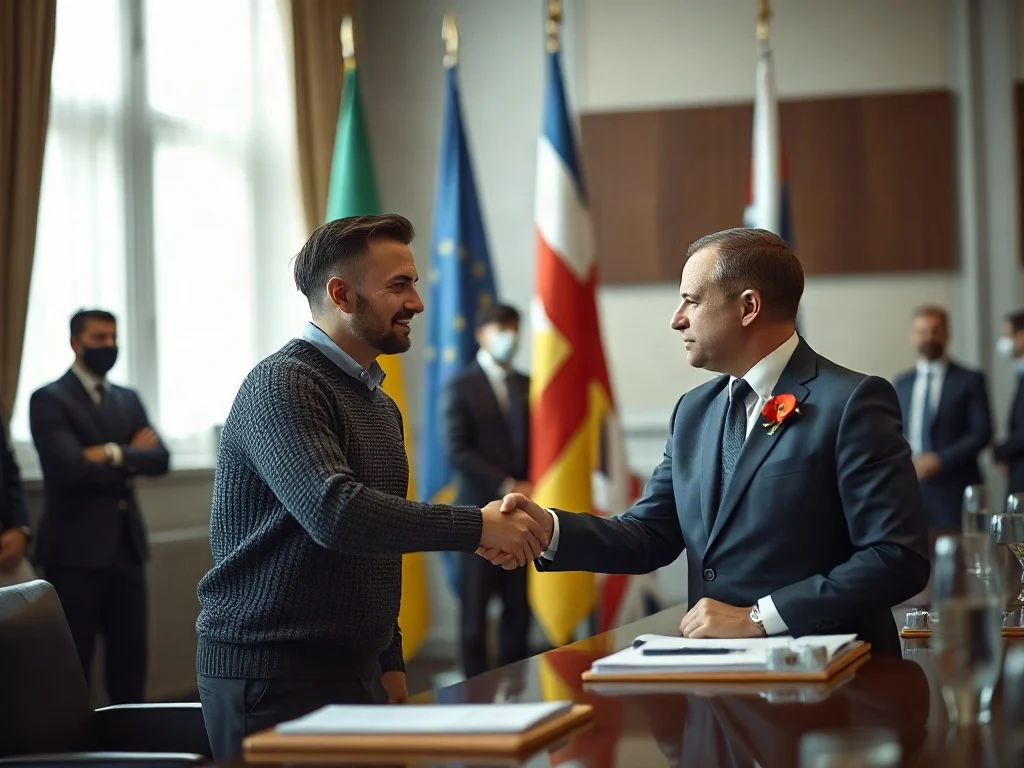
When Wes Streeting called Putin a cold-blooded killer in Kyiv, the remark landed as more than a sound bite. According to the BBC’s reporting from the Ukrainian capital, the comment came as Ukrainian President Volodymyr Zelensky met the UK defence secretary. This analysis looks at what the language signals, how it fits into British policy on Ukraine, and what is confirmed versus what remains open. The BBC report available so far is brief, so this article separates the established facts from interpretation.
What We Know About the Kyiv Meeting
The confirmed facts are limited. Streeting described Russian President Vladimir Putin as a ‘cold-blooded killer’ while in Kyiv, and the BBC‘s Sarah Rainsford reported on the talks with Zelensky. The report identifies Streeting as holding the defence secretary role, which puts him at the head of the Ministry of Defence.
Details such as any new military package, training commitments or funding were not part of the summary available. Readers should treat any claim about specific announcements as unverified until official UK government or Ukrainian statements confirm it.
Why Blunt Language Matters in Diplomacy
Diplomatic vocabulary is usually restrained. Ministers tend to speak of ‘aggression’ or ‘unlawful actions’ rather than personal insults. A phrase like ‘cold-blooded killer’ is therefore a deliberate choice, and it can serve several purposes.
Signalling to Kyiv
For Ukraine, the message is moral solidarity. Public language from allied ministers reassures a government that has fought since the full-scale Russian invasion began in February 2022 that support is political as well as material.
Signalling to Moscow
The Kremlin typically dismisses such comments, but strong rhetoric can reinforce deterrence by showing that Western resolve has not faded. Whether it changes Russian behaviour is doubtful. That is an interpretation, not a demonstrated outcome.
Signalling to a domestic audience
Visits to Kyiv are also read at home. Strong wording shows UK voters and allies that the government’s position on Ukraine is firm, which is a form of public diplomacy.
The Factual Backdrop Behind the Rhetoric
Critics of Putin often point to documented events. The Bucha massacre of civilians in 2022 became a symbol of alleged war crimes. In 2023 the International Criminal Court issued an arrest warrant for Putin over the alleged unlawful deportation of children from Ukraine. Russia rejects the court’s jurisdiction and denies wrongdoing. Whether Streeting referred to these events or to the war more broadly is not clear from the available report.
How This Fits UK Support for Ukraine
Britain has been a prominent backer of Kyiv within NATO and through forums such as the Ukraine Defense Contact Group. Modern warfare in Ukraine has also made drone warfare and air defence central priorities, so defence ministers’ visits often focus on capability as much as symbolism.
Practical Takeaways for Readers
- Separate rhetoric from policy: look for published funding figures, delivery timelines and agreements, not only quotations.
- Check primary sources: GOV.UK statements and the Ukrainian presidential office provide the most reliable record of what was agreed.
- Watch the response: Russian official reaction, or its absence, shows how Moscow wants the exchange framed.
- Consider the context: a minister’s language is shaped by audience, timing and domestic politics.
Frequently Asked Questions
Who called Putin a ‘cold-blooded killer’?
According to the BBC report, it was Wes Streeting, speaking in Kyiv after Zelensky met the UK defence secretary.
Why did the UK defence secretary meet Zelensky in Kyiv?
The available summary does not give a full agenda. Such visits usually cover military support, coordination with allies and political solidarity, but specifics should be confirmed through official statements.
Does strong rhetoric change the course of the war?
There is no strong evidence that language alone changes battlefield outcomes. Its main effects are on morale, alliance cohesion and political signalling.
What the Words Reveal and What to Watch Next
The most important insight is that the phrase matters less as an insult than as evidence of how openly Western governments now frame the conflict. Personal characterisations of Putin from a serving defence minister suggest that the diplomatic space for conciliatory language has narrowed.
The test is what follows. Concrete commitments on equipment, funding and training would show whether the wording is backed by substance. Any shift in Russian rhetoric, or in the broader negotiating climate, would indicate whether such pressure is shaping events. The unanswered question is whether firm language and sustained aid can create a route to talks, or whether they harden positions on both sides. The coming months of official announcements should offer the first real clues.
Frequently Asked Questions
Was any new military aid announced during Streeting's visit to Kyiv?
The BBC summary available does not mention any new military package, training commitment or funding. Readers should treat claims about specific announcements as unverified until the UK government via GOV.UK or the Ukrainian presidential office publishes confirmation of what was agreed.
Why is the phrase 'cold-blooded killer' unusual for a government minister?
Diplomatic language is usually restrained, with ministers preferring terms like 'aggression' or 'unlawful actions' over personal insults. Using a blunt phrase is therefore a deliberate choice, aimed at showing solidarity with Kyiv, signalling resolve to Moscow and reassuring domestic and allied audiences.
Did Streeting refer to Bucha or the ICC warrant when he made the remark?
That is not clear from the available report. Critics of Putin often cite the 2022 Bucha massacre and the 2023 International Criminal Court warrant over deportations of children, but it is unknown whether Streeting meant those events or the war more broadly.
Will this kind of rhetoric make Russia change its behaviour?
It is doubtful. The Kremlin typically dismisses such comments, and there is no strong evidence that words alone alter battlefield outcomes. Strong rhetoric may reinforce deterrence by showing Western resolve, but that is an interpretation rather than a demonstrated result.
How can readers tell rhetoric from real policy in stories like this?
Look for published funding figures, delivery timelines and signed agreements rather than quotations alone. Primary sources such as GOV.UK statements and the Ukrainian presidential office give the most reliable record, and Russia's official reaction, or silence, shows how Moscow wants the exchange framed.
What does the UK's role in Ukraine support look like beyond visits and statements?
Britain has been a prominent backer of Kyiv within NATO and through forums such as the Ukraine Defense Contact Group. Because drone warfare and air defence are now central priorities, defence ministers' visits often focus on practical capability as much as on political symbolism.