
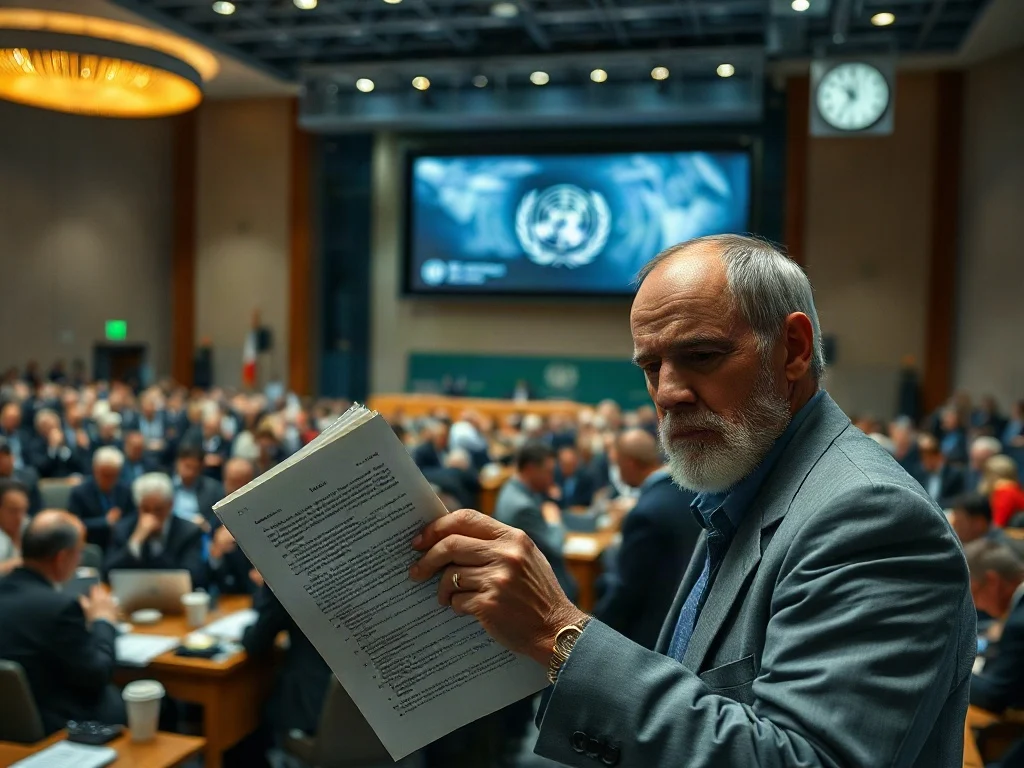
The COP31 climate summit in Turkey has entered a second day of overtime, and a fresh draft text is now circulating in an attempt to stop the negotiations from collapsing. Reports describe delegations still struggling to reach agreement. The detailed wording of the draft may keep changing, so this analysis focuses on the structural forces behind the delay and what the outcome could mean, not on unconfirmed clause-by-clause claims.
Why the COP31 Climate Summit Has Run Past Its Deadline
The 2026 United Nations Climate Change Conference is the latest session of the Conference of the Parties under the United Nations Framework Convention on Climate Change (UNFCCC). It is hosted in Turkey, with the city of Antalya named as the venue. Under an arrangement agreed at the previous summit, Australia was to lead the negotiating process.
Overtime is not unusual. The summits in Sharm el-Sheikh, Dubai and Baku all ran beyond their scheduled closing dates. The reason is mostly procedural: COP decisions are adopted by consensus, so a single determined bloc can hold up a package. Negotiators also tend to leave the hardest trade-offs until the final hours, when everything can be bargained together.
What a New Draft Deal Does in a Stalled Negotiation
A revised draft is the standard tool for breaking a deadlock. Presidencies usually issue a shorter, more balanced text that removes bracketed options and tries to give each major group something it can accept. The aim is not to satisfy everyone. It is to make rejecting the text more costly than accepting an imperfect one.
The Fault Lines That Usually Decide the Outcome
- Climate finance: Developing countries want predictable, grant-based climate finance. Donor governments face tight budgets and push for wider contributor bases.
- Mitigation ambition: Many parties want stronger language on cutting greenhouse gas emissions and moving away from fossil fuels. Producer states often resist.
- Adaptation: Vulnerable countries, including small island developing states and least developed countries, seek firmer commitments on climate change adaptation.
- Implementation gap: Whether text on nationally determined contributions is strong enough to close the distance between pledges and the temperature goals of the Paris Agreement.
The Science Behind the Pressure
The Intergovernmental Panel on Climate Change has repeatedly concluded that limiting global warming to 1.5°C requires deep, rapid emission cuts this decade. Every extra day of procedural delay does not change the physics, but it does show how slow the political process is compared with the carbon budget. That mismatch is why observers read the wording of a final decision as closely as the headline agreement.
How to Read the Outcome: Expert-Level Signals
Whether the draft is a breakthrough or a face-saving compromise can be judged by a few indicators:
- Specificity: Look for numbers, dates and named mechanisms. Phrases such as “encourages” or “invites” are weaker than “decides” or “requests”.
- Finance transparency: Check whether funding is new and additional, or only repackaged existing aid.
- Follow-up processes: A work programme or roadmap with deadlines often matters more than a one-time pledge.
- Who objects publicly: A deal opposed by a single party differs from one opposed by an entire negotiating group.
Risks If Talks Collapse
A formal collapse would be rare, but a thin outcome carries real costs. Without agreed decisions, work on finance and adaptation can slip into the next cycle. Investors and governments lose a clear policy signal. Trust between negotiating blocs can also erode. Past summits suggest that some countries prefer a weak deal to no deal, because failure damages the credibility of the multilateral system. That has been the opposite of what many climate advocates want, since it allows ambition to be diluted.
Frequently Asked Questions
Why do climate summits go into overtime?
Decisions require consensus, and the most contentious issues, usually finance and fossil fuel language, are resolved last. Presidencies often extend sessions rather than close without a package.
What does a new draft deal mean at a COP?
It is a revised negotiating text from the presidency, designed to narrow differences. It is not final until all parties adopt it in a plenary session.
Can the COP31 climate summit end without an agreement?
It can, though parties usually adopt at least some decisions. The more likely risk is a minimal outcome that leaves major questions deferred. The official UNFCCC website publishes adopted texts.
What to Watch After the Gavel Falls
The most telling test of this overtime will not be the final press conference but the implementation record that follows. Past COP outcomes, from the Kyoto Protocol to the Paris era, show that texts matter only when they trigger budgets, national laws and verifiable reporting. Watch whether finance pledges are backed by delivery schedules, and whether the next round of national climate plans moves closer to the 1.5°C pathway. The central unanswered question is whether a consensus system built for the 1990s can still deliver ambition at the speed the climate now demands. If each summit keeps ending in overtime with a lowest-common-denominator compromise, pressure may shift toward smaller coalitions of willing countries, and that could reshape climate diplomacy more than any single draft text.
Frequently Asked Questions
Does a COP summit running into overtime mean the talks have failed?
Not necessarily. Sharm el-Sheikh, Dubai and Baku all ran past their deadlines and still produced decisions. Because outcomes require consensus, negotiators tend to leave the hardest trade-offs until the final hours. Overtime is usually a sign of hard bargaining, not of collapse.
Why does one country or bloc have the power to hold up the whole agreement?
COP decisions are adopted by consensus rather than by majority vote. A single determined bloc can therefore block a package, or force changes to it. This is why presidencies try to build a text that gives every major group something it can accept.
How does a new draft text help break a deadlock?
Presidencies usually issue a shorter, more balanced draft that removes bracketed options. The aim is not to please everyone. It is to make rejecting the text more costly than accepting an imperfect compromise, which pushes delegations toward agreement.
How can I tell if the final deal is a real breakthrough or just a face-saving compromise?
Look at specificity: numbers, dates and named mechanisms are stronger than vague wording. Verbs such as "decides" or "requests" carry more weight than "encourages" or "invites". Also check whether finance is new and additional, whether follow-up roadmaps have deadlines, and who objects publicly.
Why would some countries accept a weak deal instead of no deal?
Failure damages the credibility of the multilateral climate system, so some governments prefer an imperfect outcome. The downside is that this lets ambition be diluted. Without any agreed decisions, work on finance and adaptation can slip into the next cycle.
Does extra negotiating time affect the climate itself?
Procedural delay does not change the physics. It does highlight the gap between slow politics and the carbon budget. The IPCC says limiting warming to 1.5°C requires deep, rapid emission cuts this decade, so the wording of the final decision is closely scrutinized.