
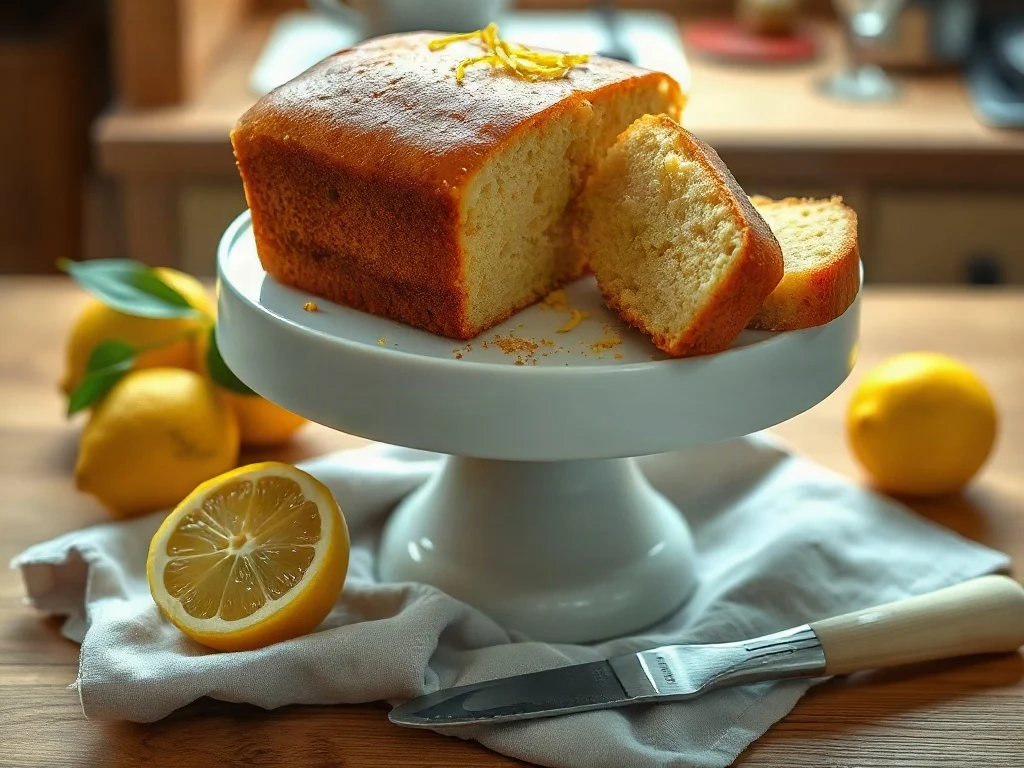
The Meghan Markle lemon cake has earned a devoted following on a promise that sounds contradictory: a cake that is rich yet barely sweet, spongy inside yet wrapped in a buttery crust that melts on the tongue. One home baker’s account says they make it “every chance I get.” This analysis looks past the celebrity name and asks why this style of cake works, what it asks of the baker, and how much of its appeal is technique rather than branding.
Why the Meghan Markle Lemon Cake Draws Attention
Meghan, Duchess of Sussex, has a long association with lemon in baking. The best-known example is the lemon and elderflower cake at the 2018 royal wedding, made by Claire Ptak. Her later lifestyle projects, including With Love, Meghan, kept home cooking in public view. That visibility lends any recipe attached to her name a built-in audience.
Visibility alone does not make a recipe last. The source description names the qualities that do: richness, tenderness, restrained sweetness and a crisp, buttery exterior. I cannot verify the exact ingredient list from the headline alone, so the sections below describe the general principles that produce this profile rather than a specific formula.
The Texture Paradox: Rich, Spongy and Buttery-Crusted
Where the crust comes from
A buttery crust on a baked cake typically comes from two processes working together. Fat and sugar at the pan’s edge fry the batter slightly as it sets. At the same time, the Maillard reaction and caramelization brown the surface and add a toasted, nutty flavor. A well-greased pan and a moderate oven temperature favor this thin, tender shell over a hard, dry one.
Why richness and sponge can coexist
Richness comes largely from butter and eggs, while a spongy crumb depends on aeration and a controlled amount of gluten. Beating butter with sugar traps air. A leavening agent then expands it during baking. The result sits between a dense pound cake and a light foam cake, which is the territory this cake seems to occupy.
Barely Sweet: A Deliberate Choice
Restrained sugar is the most interesting claim in the description. Sugar does more than sweeten. It tenderizes the crumb, retains moisture and aids browning. Cutting it too far risks a drier, paler cake. A lemon cake can carry less sugar because the fruit supplies contrast: citric acid sharpens flavor, while the oils in the zest add aroma without adding sweetness.
This sets it apart from the classic lemon drizzle cake, which relies on a sugary syrup soaked into the crumb. A barely sweet cake invites the baker to add a glaze or fresh fruit only if wanted, which makes it more versatile at breakfast, with tea or as a plain dessert.
What Makes an Easy Lemon Cake Recipe Work
An easy lemon cake recipe succeeds when it removes friction without removing technique. These are the points that matter most:
- Zest before juice: rubbing zest into sugar releases aromatic oils and gives a deeper lemon flavor than juice alone.
- Room-temperature ingredients: cold eggs or dairy can break the emulsion and produce a coarse crumb.
- Gentle mixing after the flour goes in: overmixing develops gluten and turns a spongy cake tough.
- Accurate measuring: weighing flour is more reliable than scooping it with a cup.
Common mistakes
- Using bottled juice as the only lemon source, which tastes flat.
- Opening the oven early, which can collapse the structure.
- Cutting the cake while hot, which smears the crumb and softens the crust.
- Overbaking by a few minutes, which undoes the moist interior that defines the recipe.
A Critical Reading of the Celebrity Halo
Celebrity recipes often succeed on association and fail on reproducibility. Vague instructions, ingredient substitutions and oven variation can all produce results far from the original. The better test is whether the method is forgiving. An easy cake that a baker repeats “every chance I get” has passed that test in a way a one-off showpiece has not. The endorsement is anecdotal, though. It shows durability for one household, not a universal verdict.
Frequently Asked Questions
What is the Meghan Markle lemon cake?
It is a lemon cake linked to the Duchess of Sussex and described by one baker as rich, spongy and barely sweet, with a buttery crust. Check the original recipe source for exact quantities.
How do you keep lemon cake moist?
Use enough butter and eggs, avoid overmixing, and pull the cake as soon as a skewer comes out with a few moist crumbs. Overbaking is the most common cause of dryness.
Can a lemon cake be less sweet without tasting bland?
Yes. Fresh zest, a pinch of salt and a little juice supply flavor contrast, so less sugar reads as balance rather than absence.
What to Watch Next
The most useful lesson here is that restraint is a technique. A cake that is barely sweet, buttery and tender asks more of a baker than a heavily glazed one, because there is nowhere to hide an error. Expect the trend toward lower-sugar, citrus-forward baking to continue, partly because it photographs and tastes well and partly because it suits changing preferences. The open question is whether recipes tied to famous names will publish tested weights and clear method notes, or keep trading on the name. Bakers who care about repeatable results should favor the former and judge the cake by what the crumb and crust deliver.
Frequently Asked Questions
Is the Meghan Markle lemon cake the same as the lemon and elderflower cake from the royal wedding?
Not necessarily. The royal wedding cake was made by Claire Ptak and combined lemon with elderflower. The article does not confirm that the home-baked cake shares its recipe, so treat them as related only by the lemon theme and the Meghan association.
How can a lemon cake taste rich but still be barely sweet?
Richness comes mostly from butter and eggs, not sugar. Lemon adds contrast: citric acid sharpens the flavor, and zest oils give aroma without sweetness. This lets a baker reduce sugar while keeping a full, buttery character, though cutting too much can dry the cake.
Why does reducing sugar in a lemon cake sometimes ruin it?
Sugar tenderizes the crumb, holds moisture and helps the surface brown. If you remove too much, the cake can turn drier, paler and tougher. A modest reduction works best, and lemon zest and acidity help compensate for the lost sweetness.
How does this cake differ from a classic lemon drizzle cake?
A lemon drizzle cake depends on a sugary syrup soaked into the crumb, which makes it sweet and sticky. This style stays restrained inside, so a glaze or fresh fruit is optional. That makes it easier to serve at breakfast, with tea or as a plain dessert.
What mistakes are most likely to spoil an easy lemon cake?
The main errors are relying only on bottled juice, opening the oven early, cutting the cake while it is hot, and overbaking by even a few minutes. Overmixing after adding flour also toughens the crumb. Each one harms either the moist interior or the delicate crust.
Can I trust the recipe just because it is linked to a celebrity?
Not entirely. Celebrity recipes often succeed on name recognition but can fail on reproducibility due to vague instructions or oven differences. The article notes that one baker's repeated success is anecdotal, so judge the recipe by how forgiving and consistent the method proves in your own kitchen.