
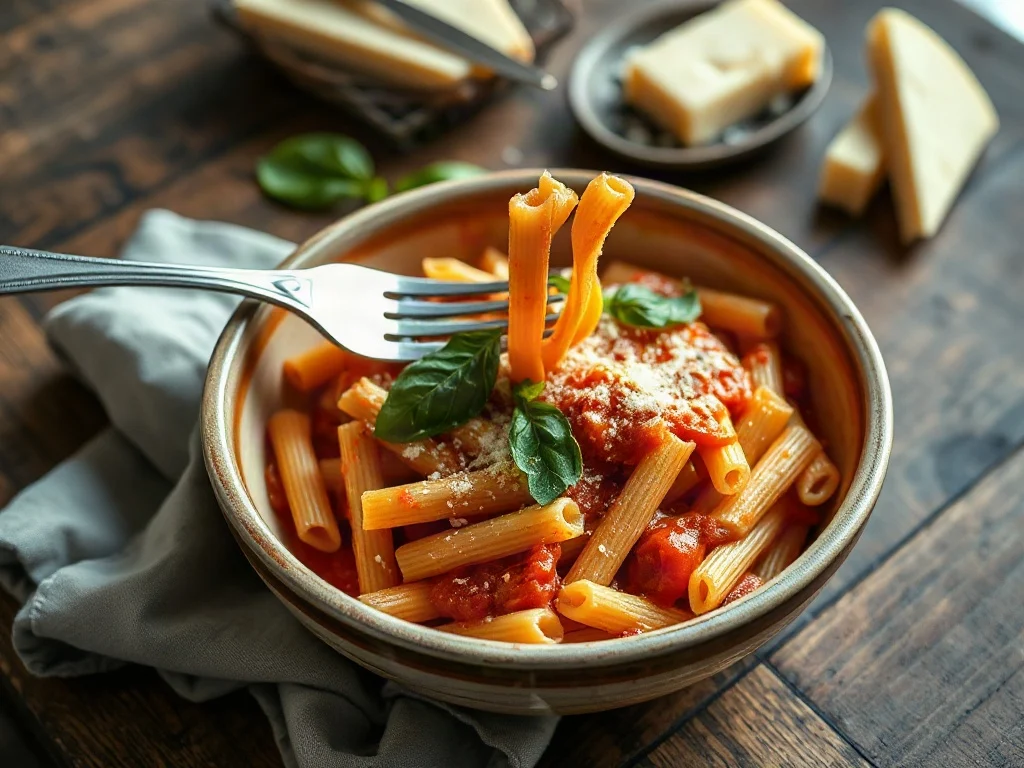
Most home cooks end up with a pink, pleasant, forgettable bowl of pasta. That is the problem Ina Garten’s penne alla vodka addresses: in a field of merely acceptable versions, her upgrade is positioned around one claim, intense flavor. This analysis looks at why that claim is plausible, what the technique behind it likely involves, and how to judge any penne alla vodka recipe on its merits. The headline gives the verdict but not the full recipe, so where specifics are not confirmed, the discussion is framed as general culinary principle rather than a quote of her method.
Why Most Vodka Sauce Disappoints
Penne alla vodka is a young dish. Its origin is disputed, and competing accounts place its invention in Italy in the late twentieth century before it became a staple of Italian-American cuisine. Its popularity helped create its weakness. The dish is easy to make acceptably, so most recipes stop at acceptable.
The typical failure is predictable. Tomatoes are simmered briefly, cream is poured in, and the result tastes sweet and flat. Cream mutes acidity and aroma, so a sauce that is under-built before the dairy goes in tastes thin afterward.
What an Upgrade Has to Fix
Build Flavor Before the Cream
Intensity comes from concentration, not additions. Cooking tomato paste in fat until it darkens triggers the Maillard reaction and caramelization, creating savory depth that a quick simmer cannot. A rendered cured meat such as pancetta, or a gentle sweat of shallot and garlic in olive oil, supplies a base that cream cannot erase. Whether Garten uses these exact steps is not confirmed by the headline alone. They are the standard levers any serious version pulls.
What Vodka Actually Does
A common question is what vodka does in vodka sauce. Vodka is largely neutral in taste, so its contribution is chemical rather than aromatic. Alcohol dissolves some flavor compounds in tomatoes that water and fat do not, and it may help the tomato and dairy components blend into a stable emulsion. Claims about its effect on flavor are widely repeated by cooks, but the evidence is mostly culinary experience rather than rigorous testing. Treat it as a useful tool, not magic. The point is to cook it down properly so no harsh alcohol note remains.
The Ingredients That Carry the Weight
Quality inputs matter more here than in complex dishes, because few ingredients leave nowhere to hide.
- Tomatoes: Good canned varieties, such as San Marzano tomatoes, give balanced sweetness and acidity.
- Cheese: Parmigiano-Reggiano or Pecorino Romano adds salt and umami that pre-grated substitutes lack.
- Heat: Chili flakes keep a creamy tomato pasta sauce from tasting one-dimensional.
How to Make Penne alla Vodka with More Flavor
Anyone searching for how to make penne alla vodka with more flavor should focus on process, not novelty.
- Cook aromatics and tomato paste until visibly darker, not just warmed through.
- Add the vodka off direct flame and simmer until the sharp smell fades.
- Reduce the tomatoes before adding cream, so the dairy rounds the sauce instead of diluting it.
- Finish the penne in the sauce for the last minute, using starchy pasta water to bind everything.
- Pull the pasta al dente, since it keeps cooking in the sauce.
Why the Garten Name Carries Weight
Ina Garten built her reputation on reliability. Her recipes are tested for home kitchens, not restaurant line cooks, and she has long favored a few strong ingredients over elaborate technique. That makes her a credible source for a dish where discipline matters more than invention. The limit of that credibility is that a famous name does not guarantee a better result for every palate. Rich cream-based sauces are a matter of taste, and some will still prefer a sharper, tomato-forward style.
Frequently Asked Questions
Do you need vodka in vodka sauce?
Not strictly. The sauce will still taste good without it, but the alcohol is traditionally credited with sharpening and blending flavors. Omitting it changes the dish subtly rather than ruining it.
Why does my vodka sauce taste bland?
Usually the tomato base was under-cooked or the cream was added too early. Concentrate the base first, season in stages, and finish with real aged cheese.
Can you make it ahead?
The sauce holds well in the refrigerator for a few days. Reheat gently and loosen with pasta water, because cream-based sauces tighten as they cool.
The Lesson Beyond One Recipe
The most useful insight is that the gap between an average and an excellent vodka sauce is technique applied before the cream, not a secret ingredient. Ina Garten’s upgrade fits that pattern, and her headline claim of intense flavor is credible because it targets the right problem. What to watch next is whether home cooks adopt this build-the-base discipline for other cream-finished sauces, or whether the dish stays a default order rather than a deliberate cook. The open question is whether a recipe this widely copied can still taste distinctive once everyone makes it the same way.
Frequently Asked Questions
Why does my vodka sauce taste sweet and flat even though I used good ingredients?
The usual cause is an under-built base. Cream mutes acidity and aroma, so tomatoes that were only simmered briefly taste thin once the dairy goes in. Darken the tomato paste in fat and reduce the tomatoes before adding cream so the flavor is concentrated first.
Is the vodka really responsible for better flavor, or is it just tradition?
The evidence is mostly culinary experience, not rigorous testing. Alcohol can dissolve flavor compounds in tomatoes that water and fat do not, and it may help the sauce emulsify. Treat it as a useful tool rather than magic, and cook it down so no harsh alcohol note remains.
Does this article give Ina Garten's exact recipe?
No. The headline gives a verdict but not the full method, so the article describes general culinary principles that serious versions rely on. It does not confirm that Garten uses these exact steps. Check her published recipe if you want her specific quantities and techniques.
When should I add the vodka, and how do I know it has cooked off?
Add the vodka off direct flame, then return the pan to the heat and simmer. The sauce is ready for the next step when the sharp, alcoholic smell fades. Adding it away from the flame is safer because alcohol vapors can ignite.
Why should I finish the penne in the sauce instead of just pouring sauce over it?
Finishing the pasta in the sauce for the last minute lets the penne absorb flavor and lets starchy pasta water bind everything into a cohesive coating. Pull the pasta al dente beforehand, because it keeps cooking in the sauce.
Will a famous recipe suit everyone's taste?
Not necessarily. A well-known name suggests reliability, but it does not guarantee a better result for every palate. Rich, cream-based sauces are a matter of taste, and some people prefer a sharper, tomato-forward style with less dairy.