
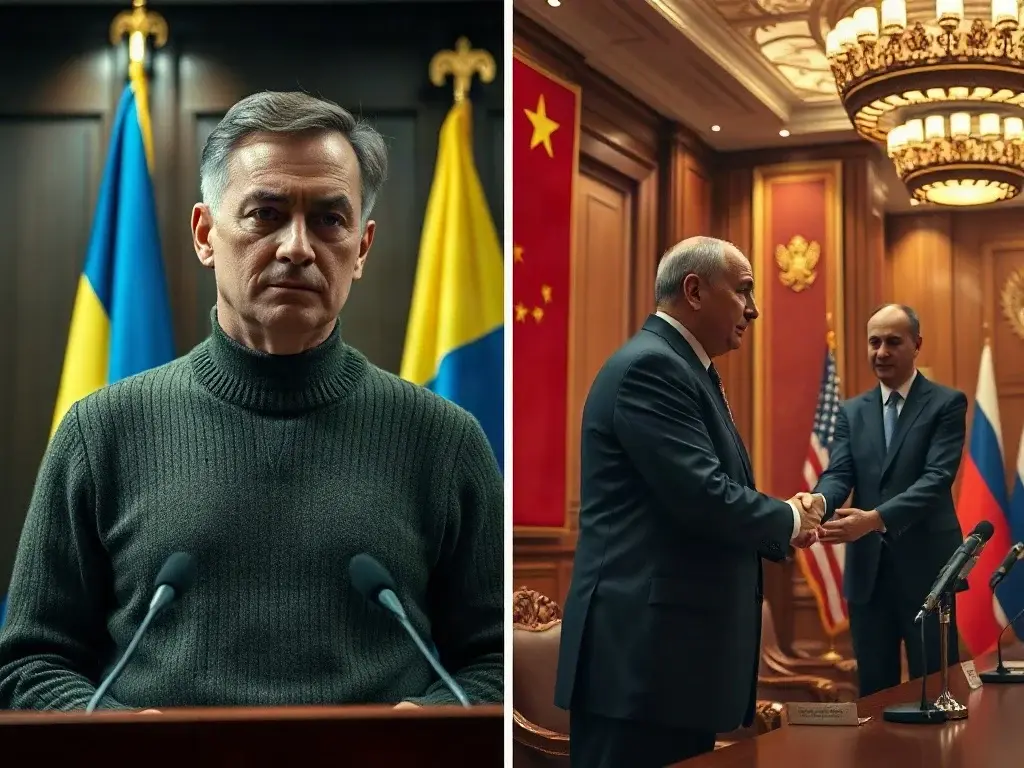
When Zelensky calls Putin a killer just days after Donald Trump greeted the Russian leader warmly, the clash is about more than insults. It exposes a deep split over how to deal with Moscow while the war in Ukraine continues. According to the report, Trump greeted Putin ahead of a meeting in China and said the two have a “great relationship.” Ukrainian President Volodymyr Zelensky answered with one of the bluntest descriptions of Vladimir Putin a Western audience can hear. This analysis looks at what each side is signaling and why it matters for Kyiv, Washington and Moscow.
What Happened: Two Very Different Descriptions of One Man
The facts available are limited. Donald Trump publicly greeted Putin before a meeting in China and described a “great relationship.” Zelensky then called Putin a “killer.” Beyond those statements, this article does not assume details about the agenda, the outcomes or any private conversations.
The contrast still carries weight. Trump’s wording is personal and transactional. Zelensky’s is moral and wartime. Each is aimed at a different audience and a different goal.
Why Zelensky’s Language Is Deliberate
The Context of the War
Since the Russian invasion of Ukraine escalated in 2022, Ukrainian officials have pointed to civilian deaths and alleged atrocities, such as those documented in the Bucha massacre. For Zelensky, calling Putin a killer restates a basic position: Ukraine is dealing with an aggressor, not a counterpart. In March 2023, the International Criminal Court issued an arrest warrant for Putin over the alleged unlawful deportation of children from Ukraine, which the court’s official website documents. Russia rejects the court’s jurisdiction.
A Message to Western Audiences
Zelensky depends on sustained military and financial support. Strong language works as a reminder to Western publics and lawmakers that friendly gestures toward the Kremlin carry moral and strategic costs. This is a reasonable interpretation, not a confirmed motive.
Why Trump Calls Putin a Friend
Trump has long favored personal rapport in diplomacy. Supporters argue that warm relations with an adversary keep channels open and may create room for a ceasefire. Critics argue that calling Putin a friend while Russian forces continue operations in Ukraine legitimizes him and weakens leverage. Both views are held by serious analysts, and the outcome of a rapport-first approach is not yet settled.
The Trump Putin Relationship and the Wider Geopolitical Picture
China as the Backdrop
The setting matters. China–Russia relations have grown closer since the war began, and a meeting on Chinese soil gives Beijing a visible role as host. For Moscow, it signals it is not isolated despite international sanctions.
Pressure on Allies
European governments and NATO members watch such moments closely. Friendly words from Washington can raise doubts about the durability of unified pressure on the Kremlin, even when official policy has not formally changed.
How to Read Political Rhetoric Like This
- Separate words from policy. Compliments or insults do not automatically change sanctions, arms deliveries or negotiating positions.
- Check official channels. Primary statements appear on sites such as the Office of the President of Ukraine.
- Watch for follow-through. Sanctions decisions, aid packages and negotiation formats reveal more than any single quote.
- Note the audience. Each leader is speaking to domestic voters, allies and adversaries at once.
Frequently Asked Questions
Why did Zelensky call Putin a killer?
He was responding to Trump’s friendly description of Putin. The remark reflects Ukraine’s view of Putin as responsible for deaths in the war and is likely meant to challenge the idea of a warm relationship with him.
Why does Trump call Putin a friend?
Trump generally emphasizes personal relationships in negotiations. Whether that builds leverage or gives away goodwill is disputed among analysts.
Does this change US policy on Ukraine?
Rhetoric alone does not change policy. Observers should look for concrete decisions on aid, sanctions and negotiations.
What to Watch Next
The key insight is that this exchange is a contest over framing: whether Putin is treated as a negotiating partner or as an accountable aggressor. Whichever framing prevails will shape the terms of any future settlement, and the risk is that it gets set by atmospherics before substance. Watch whether warm words are followed by concrete concessions, tougher pressure or nothing at all, and whether European governments fill any gap in the Western position. The unanswered question is whether personal diplomacy can produce a durable peace that Ukraine accepts, or whether it only delays a harder reckoning.