
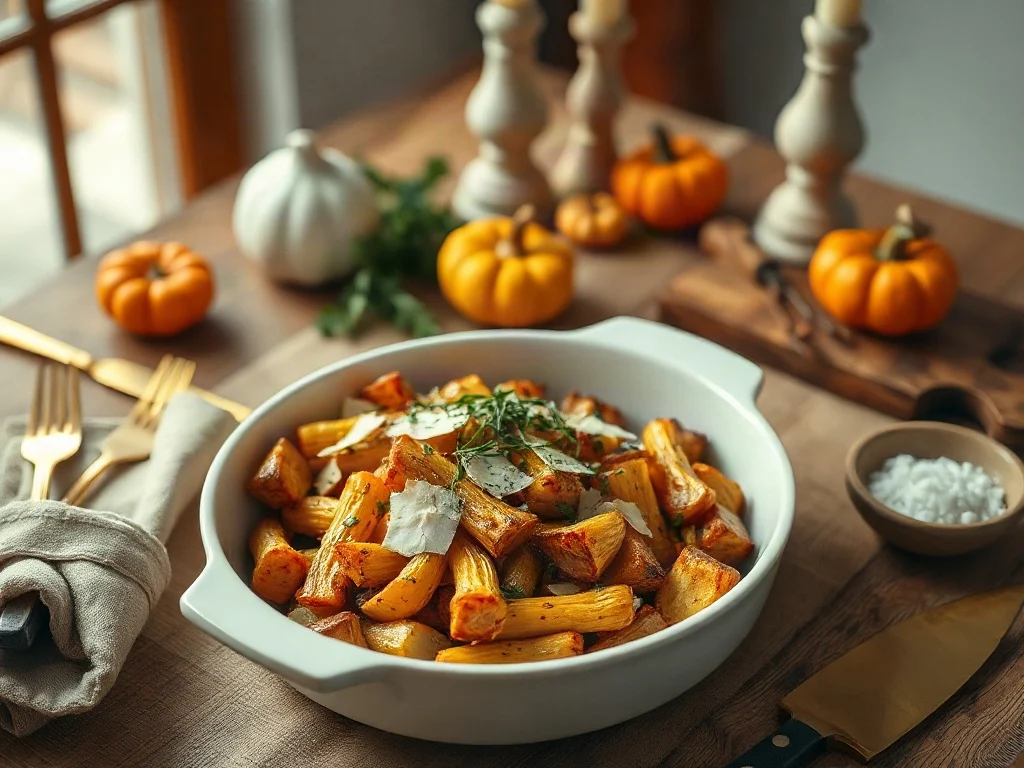
The Ina Garten Thanksgiving side dish that one writer makes every year rests on a claim worth testing: six ingredients are enough to produce something that tastes gourmet. Thanksgiving menus tend to collapse under their own ambition, with too many dishes competing for one oven and one cook’s attention. This analysis looks at why the short-ingredient approach associated with Ina Garten works, where it fails, and how to apply it to your own holiday table.
The Appeal of Easy Thanksgiving Side Dishes
A side dish carries an outsized burden at the holiday meal. The turkey is fixed and predictable, so the sides are where a cook shows judgment. That is also where the logistics break down. Oven space, stovetop burners and last-minute timing all compete in the final hour.
This is why easy Thanksgiving side dishes with short ingredient lists deserve serious consideration. Fewer components mean fewer purchases, fewer points of failure and less preparation. The trade-off is that nothing can hide. With six ingredients, a weak one shows up in the finished plate.
Who Is Ina Garten, and Why Does Her Method Carry Weight?
Garten built her reputation outside the usual restaurant-chef route. She worked as a budget analyst in the White House before buying a specialty food shop called Barefoot Contessa in Westhampton Beach, New York, in 1978. She later turned the name into a cookbook and the Barefoot Contessa program on Food Network.
Her recipes are written for hosts, not professionals. They assume a home kitchen, a standard oven and limited time. That framing explains their durability among home cooks preparing a Thanksgiving dinner.
Why Six Ingredients Can Taste Gourmet
Quality Replaces Complexity
The central principle is ingredient quality rather than ingredient count. A short list works when each item contributes something distinct: fat, salt, acid, sweetness or a savory depth. Good olive oil, real butter and aged Parmigiano-Reggiano deliver more flavor per gram than a long list of mediocre additions.
Technique Does the Heavy Lifting
High-heat roasting is the most reliable shortcut to depth. Browning through the Maillard reaction, which proceeds quickly at temperatures above roughly 140°C (285°F), creates hundreds of flavor compounds that a simple ingredient list cannot supply on its own. Vegetables such as carrots or Brussels sprouts gain sweetness and caramelized edges this way. Seasoning discipline matters equally. Generous kosher salt and freshly ground black pepper are what separate a restaurant-style result from a bland one.
The Critic’s View: Where the Approach Has Limits
The “gourmet with six ingredients” framing is partly marketing. Pantry staples such as salt, pepper and oil often go uncounted, which makes the real list longer than advertised. Simplicity also raises the cost of one bad component, and premium butter, cheese or fresh herbs raise the grocery bill.
There is a second limit: oven contention. A recipe that needs 425°F while the turkey rests and the casseroles reheat will still cause a traffic jam. Simple recipes reduce effort but do not remove scheduling problems.
How to Apply Ina Garten’s Simple Side Dish Strategy
Readers searching for Ina Garten cooking tips will find the same pattern across her work. These practices carry over to any short-list recipe:
- Audit your ingredients first. Spend money on the one or two items that define the dish, such as cheese, butter or fresh herbs.
- Practice mise en place. Measure and chop the day before so that Thursday involves assembly only.
- Plan the oven. Choose sides that roast at the same temperature, or that finish well at room temperature.
- Season in layers. Salt before cooking, taste after, and adjust with acid, such as lemon juice, before serving.
- Avoid overcrowding the pan. Crowded vegetables steam instead of browning, which defeats the purpose of high-heat cooking.
Frequently Asked Questions
Why do Ina Garten recipes taste gourmet?
They rely on quality ingredients, generous seasoning and techniques such as high-heat roasting, rather than on long ingredient lists.
What makes a good six-ingredient Thanksgiving side dish recipe?
Each ingredient should serve a clear role: a main vegetable or starch, fat, salt, a flavor accent, an acid or herb, and a finishing element.
Can easy Thanksgiving side dishes be made ahead?
Many can be prepped a day early. Roasted vegetables are usually best cooked close to serving, while mashed or baked starches often reheat well.
What the Six-Ingredient Trend Reveals About Holiday Cooking
The most important insight is that restraint is a skill, not a shortcut. A dish with six ingredients leaves no room for error, which is why it tends to succeed only when the cook understands heat, salt and timing. The ingredient count is the least interesting part of the claim.
Watch for how food media handles this idea in the coming holiday seasons. Rising grocery prices may push readers toward short lists, but premium-ingredient advice pulls the other way. The open question is whether home cooks will choose a few excellent ingredients over many ordinary ones, and whether next year’s Thanksgiving table will have fewer dishes, each done better.
Frequently Asked Questions
Do salt, pepper and oil count toward the six ingredients?
Usually not. The article points out that pantry staples such as salt, pepper and oil often go uncounted, so the real list is longer than advertised. Treat the six-ingredient claim as a guide to simplicity rather than a strict limit when you plan your shopping.
Which ingredients are worth paying extra for in a short-list recipe?
Spend on the one or two items that define the dish, such as aged Parmigiano-Reggiano, real butter, good olive oil or fresh herbs. With so few components, a weak one shows in the finished plate, while pantry basics can stay modest.
Why does high-heat roasting make simple vegetables taste more complex?
High heat triggers the Maillard reaction, which proceeds quickly above roughly 140°C (285°F). It creates hundreds of flavor compounds and caramelized edges that a short ingredient list cannot supply alone. This is why carrots or Brussels sprouts gain sweetness and depth when roasted.
Does a simple recipe solve the problem of limited oven space on Thanksgiving?
Not entirely. Simple recipes reduce effort but not scheduling conflicts. A side needing 425°F while the turkey rests and casseroles reheat can still cause a traffic jam. Choose sides that roast at the same temperature or that taste good at room temperature.
How can I prepare ahead so Thursday is easier?
Practice mise en place. Measure and chop your ingredients the day before so that Thursday involves assembly only. This cuts last-minute stress during the final hour, when oven space, burners and timing all compete for your attention.
Why do my roasted vegetables turn out soft instead of browned?
Most likely the pan is overcrowded. Crowded vegetables steam instead of browning, which defeats the purpose of high-heat cooking. Spread them in a single layer with space between pieces, and season generously with salt and pepper before roasting.