
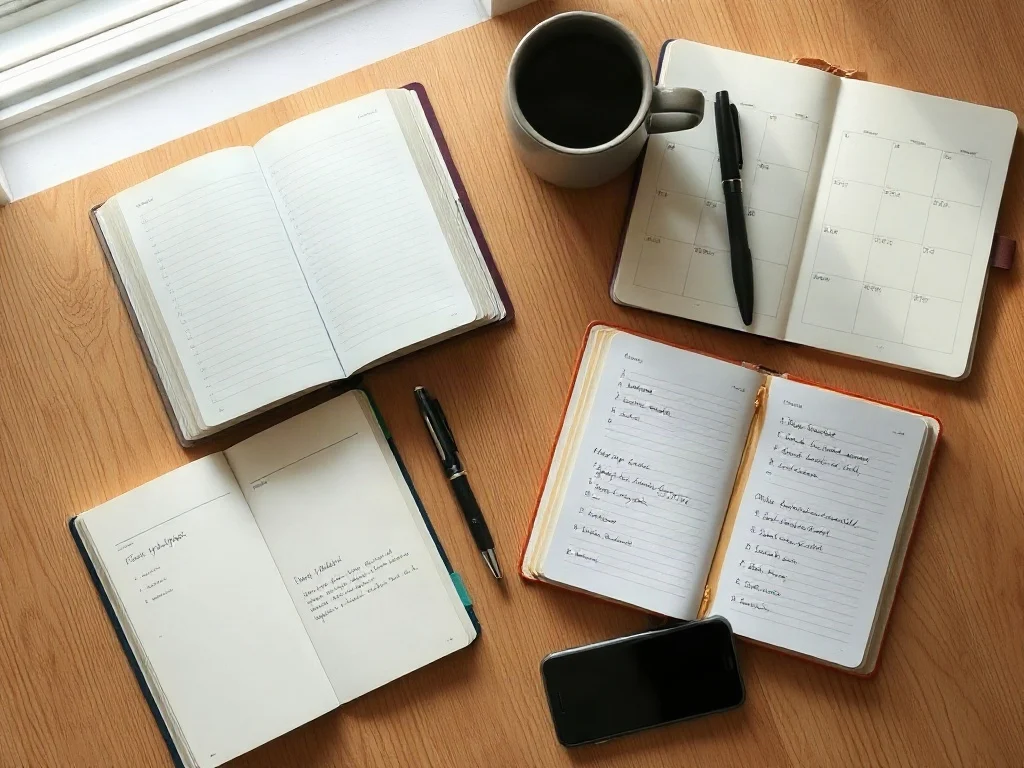
If your phone calendar is full but your days still feel unplanned, the best planners 2027 has to offer may be made of paper. WIRED’s latest tested roundup, which names Roterunner, Hobonichi and Cloth & Paper among its four top picks, argues that paper agendas and notebooks can help when digital calendars leave you lacking. This article looks at what that recommendation means in practice, how to judge a paper planner for yourself, and where the category is heading. The original headline and summary do not publish full specifications, so where product details are not public knowledge, this analysis says so rather than guessing.
For the complete rankings, pricing and testing notes, read WIRED’s own review. What follows is a framework for understanding why these planners earned attention and how to choose between them.
Why Paper Planners Are Still Relevant in a Digital Calendar World
The personal organizer was supposed to be obsolete once the smartphone arrived. Tools such as Google Calendar and Microsoft Outlook handle invitations, reminders and time zones better than any printed page can. Yet paper has survived, and the reasons are practical rather than nostalgic.
What digital calendars do well
- Coordination: shared availability, meeting invitations and automatic updates.
- Alerts: notifications that interrupt you at the right moment.
- Search and sync: one record across several devices.
Where they fall short
A digital calendar is excellent at recording commitments made with other people. It is weaker at helping you decide what matters. The same device that holds your schedule also holds email, social media and messaging, so planning happens in an environment built to fragment attention. A paper planner offers a single-purpose surface. That is why the category appeals to people trying a partial digital detox without giving up their calendar entirely.
There is also research interest in writing by hand. Studies on handwriting and memory exist, but findings vary by task and study design, so it is safer to say handwriting may help some people engage more deliberately with their plans than to claim a guaranteed productivity gain.
What the WIRED List Tells Us About the Paper Planner Market
The WIRED headline names three brands that represent quite different philosophies, with a fourth pick not named in the summary. That spread is itself informative: the market is not one product type but several, each solving a different problem.
Hobonichi: the cult favorite
Hobonichi is the best-known name of the three. Its Techo planner comes from the Japanese company associated with writer Shigesato Itoi and his site Hobo Nikkan Itoi Shinbun. It is widely known for thin paper that handles fountain pen ink well, compact formats and a day-per-page structure that encourages journaling alongside scheduling. A thin page is a trade-off, though. It keeps the book light while holding many pages, but it can feel delicate and show ghosting with some inks.
Roterunner and Cloth & Paper: different bets
Roterunner and Cloth & Paper are less documented in general reference sources, and the headline does not spell out their layouts. Rather than guess, treat them as evidence that newer, design-led planner makers are competing with established names. When evaluating any lesser-known brand, check the printed specifications: paper weight, page layout, binding type, whether dates are pre-printed, and the sizes offered.
How to Choose a Paper Planner: A Practical Framework
Knowing how to choose a paper planner matters more than memorizing any ranking, because the best planner is the one you will open every day. Work through these criteria in order.
1. Match the layout to how you actually work
- Day-per-page: best for people with variable days, journaling habits or heavy task lists. Heavier and more expensive.
- Week-on-two-pages: a good balance for office schedules with fixed appointments.
- Monthly overview plus notes: light and portable, but less room for detail.
- Undated or blank grids: flexible, and they pair naturally with the Bullet Journal method if you like building your own system.
2. Judge the paper, not just the cover
Paper quality determines whether you enjoy writing in the planner. Smooth paper suits a gel or fountain pen, while toothier paper suits pencil. Test for ink bleed-through and ghosting with the pens you already use. If you rely on a standard ballpoint pen, almost any decent planner will work. If you use fountain pens, paper becomes the deciding factor.
3. Pick a size you will carry
Many planners follow formats related to ISO 216 paper sizes such as A5 and A6. A larger page gives you writing room but often stays on the desk. A smaller one travels with you but forces shorthand. Be honest about whether you plan at a desk or on the move.
4. Consider binding and lay-flat behavior
Stitched bookbinding usually lasts well but can resist lying flat, while coil or disc systems open flat and let you rearrange pages. Ring systems in the tradition of Filofax allow refills and customization, at the cost of bulk.
5. Check the start date and refill policy
A planner for 2027 that begins in January suits calendar-year thinking. Academic or mid-year planners suit students and teachers. Confirm availability and refill options before you commit, as popular planners can sell out near the new year.
Comparing Paper Planners With Digital Tools
| Factor | Paper planner | Digital calendar |
|---|---|---|
| Focus | Single-purpose, no notifications | Competes with other apps |
| Collaboration | Limited | Excellent |
| Reminders | Manual | Automatic |
| Flexibility | Free-form writing and sketching | Structured entries, easy rescheduling |
| Reliability | No battery or sync failure, but can be lost | Backed up, but depends on devices and accounts |
| Cost | Annual purchase | Often free or subscription |
Common Mistakes When Using a Planner
- Buying for aspiration: choosing a dense day-per-page book when you only need a weekly view leads to blank pages and guilt.
- Duplicating everything: copying every digital entry by hand creates busywork. Keep shared meetings digital and use paper for priorities.
- Skipping a review ritual: a planner works only if you look back at it. A five-minute weekly review does more than an elaborate layout.
- Over-decorating: creative planning can be rewarding, but if decoration replaces time management, the planner stops serving its purpose.
Advanced Strategies: Building a Hybrid System
Experts in personal productivity often recommend hybrids rather than purity. One workable approach is to let the digital calendar own anything involving other people and time-sensitive alerts, while the paper planner owns your top three priorities per day, your reflections and your running notes.
Frameworks such as Getting Things Done were designed around capturing commitments in a trusted system. Paper can serve as that system if you review it consistently. The key is to choose one authoritative place for each type of information so you never wonder where something lives.
For people prone to procrastination, writing a small, specific daily plan may be more useful than a long list. Reducing cognitive load is the real job of any planner, paper or digital.
Cost, Sustainability and Value
Premium planners cost more than a basic diary, and a yearly purchase adds up. The value argument rests on use: a planner you open daily for twelve months is cheaper per use than an app subscription you abandon. On sustainability, check whether a maker discloses paper sourcing, such as certification from the Forest Stewardship Council. If a brand publishes no sourcing information, treat claims cautiously.
Frequently Asked Questions About the Best Planners
Which planner is best for fountain pens?
Hobonichi has a strong reputation for thin, ink-friendly paper. Whatever you buy, test your own pens on a back page first, since results vary by ink and nib.
Is a paper planner better than a digital calendar?
Neither is universally better. Digital tools excel at scheduling and collaboration, while paper helps with focus and prioritization. Many people use both.
Should I buy a dated or undated planner?
Dated planners save setup time and suit steady routines. Undated ones suit irregular schedules and let you start any month without wasting pages.
When should I buy a 2027 planner?
Popular planners can sell out ahead of the new year, so buying in the months before January reduces the risk of missing your preferred size or cover.
The Real Lesson Behind the Return of the Paper Agenda
The most important insight is that this is not a battle between paper and screens. It is a sorting problem: deciding which parts of your life need alerts and sync, and which need quiet space for thinking. The planners WIRED highlights succeed not because paper is magical, but because they give people a place where planning is the only task.
Watch three things over the next few years. First, whether more makers add features that bridge the gap, such as scannable pages or integration with digital task managers. Second, whether paper pricing and availability hold steady as demand for premium notebooks grows. Third, whether the broader backlash against constant notifications deepens or fades. These are reasonable expectations, not confirmed trends.
The question worth asking is not which planner tops the list, but what you would stop forgetting, and what you would finally start deciding, if your plans lived somewhere quieter than your phone.
Frequently Asked Questions
¿Cómo sé si un planner de papel me servirá más que mi calendario digital?
Si tu calendario digital registra bien tus citas, pero sigues sin saber qué es prioritario, un planner de papel puede ayudarte. Ofrece una superficie sin notificaciones para decidir y ordenar tareas. Lo más práctico es usar ambos: el digital para coordinar con otros y el papel para planificar tu día.
¿El papel fino de Hobonichi es un problema para escribir con pluma estilográfica?
Es conocido por manejar bien la tinta de pluma estilográfica, pero el papel fino tiene contrapartidas. Mantiene el libro ligero con muchas páginas, aunque puede sentirse delicado y mostrar transparencia (ghosting) con ciertas tintas. Conviene probar tu tinta o pluma habitual en una hoja antes de comprometerte con un año entero.
¿Puedo fiarme de planners menos conocidos como Roterunner o Cloth & Paper?
Sí, siempre que verifiques las especificaciones impresas en lugar de fiarte solo de la reputación. Revisa el gramaje del papel, el diseño de página, el tipo de encuadernación, si las fechas vienen impresas y los tamaños disponibles. Para precios y notas de prueba concretas, consulta la reseña original de WIRED.
¿Escribir a mano mejora realmente la productividad?
No está garantizado. Existen estudios sobre escritura a mano y memoria, pero sus resultados varían según la tarea y el diseño del estudio. Lo más prudente es decir que escribir a mano puede ayudar a algunas personas a pensar sus planes con más calma, sin prometer una mejora segura.
¿Qué formato de planner conviene si mis días son muy variables?
El formato de un día por página suele encajar mejor con jornadas variables, listas de tareas largas o hábito de diario. A cambio, es más pesado y caro. Si tu agenda tiene citas fijas de oficina, una semana en dos páginas ofrece un equilibrio más ligero y económico.
¿Es mejor un planner con fechas impresas o uno sin fechar?
Depende de tu constancia. El fechado te da estructura inmediata, pero las páginas de días que no uses se desperdician. El sin fechar o de cuadrícula en blanco es más flexible, permite empezar en cualquier momento y retomar tras una pausa, aunque exige que tú construyas el calendario.