
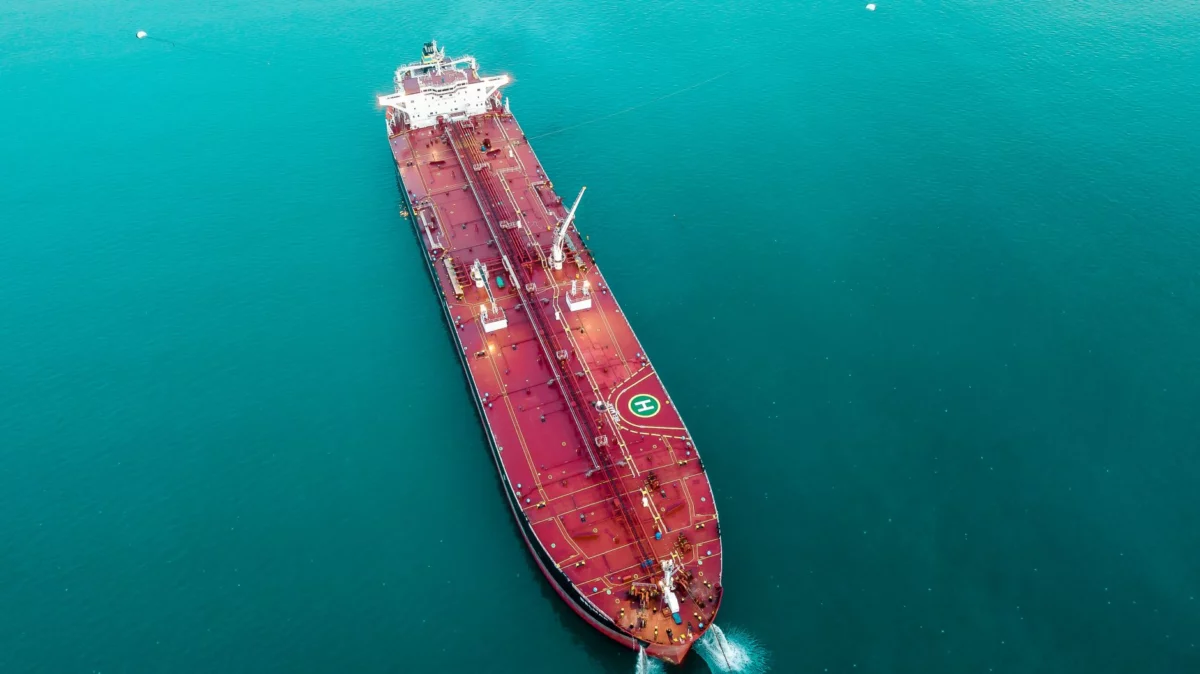
A dramatic report claiming US Iran tanker strikes and subsequent Iranian attacks on Jordan describes a potentially grave expansion of Middle Eastern hostilities. According to the supplied report, the US military destroyed five Iranian tankers after the Islamic Revolutionary Guard Corps allegedly targeted a US warship twice in two days. Iran then reportedly retaliated with attacks on Jordan. These claims, however, arrive without dates, locations, named vessels, official statements, imagery, casualty figures, or links to independently verifiable evidence. Until those details emerge from credible sources, the events should be treated as reported allegations rather than confirmed facts.
That distinction is crucial. Destroying five state-linked tankers would be an extraordinary military action with legal, economic, and strategic consequences far beyond the ships themselves. An attack on Jordan would widen the crisis again, potentially threatening civilians, regional military installations, commercial aviation, and the stability of a country closely connected to Western and Arab security structures. This analysis examines what the report alleges, what remains unknown, how verification should work, and why the next confirmed action may matter more than the initial headline.
What the Report Alleges—and What It Does Not Establish
The report presents a three-stage chain of escalation: the Islamic Revolutionary Guard Corps, commonly known as the IRGC, allegedly attacked a US warship twice; the United States then struck five Iranian tankers; and Iran retaliated against Jordan. Such a sequence implies rapid decision-making across multiple theaters, but the sparse account leaves the essential facts unresolved.
- No vessels are identified. Warships and commercial tankers normally have names, flag registrations, ownership records, and tracking histories.
- No geographic coordinates are provided. Location determines jurisdiction, operational context, and the applicable legal arguments.
- No weapons are specified. Missiles, one-way attack drones, naval mines, aircraft, and surface vessels create different evidentiary signatures.
- No damage or casualty assessment is included.
Frequently Asked Questions
What evidence would be needed to confirm that five Iranian tankers were destroyed?
Confirmation would require named vessels, precise locations, timestamps, satellite or aerial imagery, maritime tracking data, and statements from shipowners, flag states, insurers, or military authorities. Independent reporting from multiple credible outlets would also be important. Casualty records, port notices, debris analysis, and changes in vessel registries could provide additional corroboration.
Can AIS ship-tracking data prove or disprove the alleged tanker strikes?
AIS data can show a vessel’s reported position, course, identity, and last transmission, making it useful for reconstructing movements. However, signals may be disabled, spoofed, delayed, or unavailable in conflict zones. AIS silence alone does not prove a ship was attacked, so tracking records must be compared with imagery, communications, port data, and eyewitness accounts.
Why would reported Iranian retaliation against Jordan represent a major escalation?
Jordan is a close security partner of the United States and maintains important relationships with Western and Arab governments. Attacks there could threaten civilians, military facilities, aviation routes, and regional trade. They could also trigger demands for collective defensive action, increase pressure on Jordanian authorities, and expand hostilities beyond the original maritime confrontation.
Would a US strike on Iranian tankers automatically be lawful self-defense?
Not automatically. The legal assessment would depend on whether an armed attack occurred, whether the tankers were valid military objectives, and whether the response was necessary and proportionate. Their location would also matter, particularly in territorial waters. Civilian ownership, cargo, crew status, and any direct role in hostile operations would require careful examination.
What indirect signs could reveal whether the alleged events actually occurred?
Analysts would look for maritime security warnings, port closures, flight restrictions, emergency notices, oil-price movements, insurance premium increases, military deployments, and satellite-detected fires or debris. Hospital activity and casualty announcements might offer further clues. These indicators can support an investigation, but they do not replace direct evidence tying specific damage to specific attackers.