
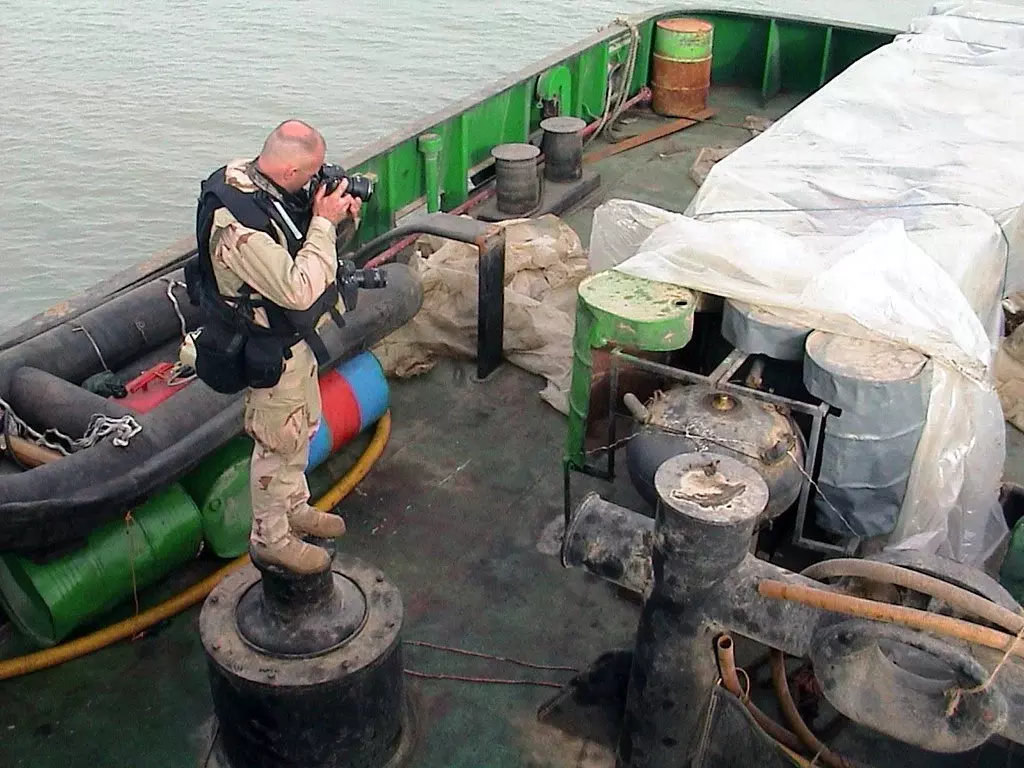
The US military sinks gang-linked vessel report describes an unusually consequential maritime interdiction in the eastern Pacific: American forces intercepted and sank what officials characterized as a floating refueling station connected to an Ecuadorian criminal gang. Although the available account is brief, the operation points to a much larger struggle over the logistics that sustain transnational crime at sea. Fuel, maintenance, navigation and resupply can be as important to an illicit network as the contraband it moves.
The central facts are limited. The vessel was reportedly intercepted in the eastern Pacific, identified as a floating refueling platform and subsequently sunk. Important details—including the vessel’s flag, its precise location, the evidence connecting it to a gang, the status of its crew and the legal authority used—were not provided in the source account. Those gaps matter. A defensible analysis must distinguish the military’s stated assessment from independently verified evidence while examining why a refueling craft could be a strategically significant target.
What the US Operation Reportedly Targeted
The operation involved the United States Armed Forces in the eastern reaches of the Pacific Ocean. The military’s description of the vessel as a floating refueling station suggests that it served a support function rather than operating solely as a conventional transport craft.
At sea, range is power. A small boat carrying illegal cargo may be fast and difficult to detect, but its endurance is constrained by fuel capacity, mechanical reliability, weather and crew fatigue. Offshore refueling can extend that range, reduce the need to approach monitored ports and allow operators to alter routes when patrols intensify. Removing a fuel platform can therefore disrupt several voyages rather than stopping only one shipment.
The phrase
Frequently Asked Questions
Why would a floating refueling station be more valuable to a criminal network than a single smuggling boat?
A refueling platform can support multiple vessels, extend their operating range and help them avoid monitored ports. It may also enable route changes when patrols increase. Disabling one logistics hub could therefore affect several planned voyages, making it potentially more disruptive than intercepting a single boat carrying contraband.
What legal authority could allow US forces to intercept and sink a vessel in the eastern Pacific?
Possible authority could derive from the vessel’s nationality, consent from a partner government, international maritime agreements, counter-narcotics laws or rules concerning stateless vessels. However, the account does not identify the legal basis used. The vessel’s flag, location, crew status and circumstances of the sinking would be essential to evaluating legality.
Why might the military sink the vessel instead of towing it to port?
A vessel may be sunk when towing is unsafe, impractical or operationally costly, particularly if it is unseaworthy or far from port. Destruction can also prevent reuse. Nevertheless, without an official explanation, it is impossible to know the specific rationale or whether evidence, hazardous materials and environmental risks were assessed beforehand.
How can the reported connection to an Ecuadorian gang be independently verified?
Verification would normally require more than an official characterization. Useful evidence could include registration records, communications, financial links, crew testimony, tracking data, seized equipment or coordination with Ecuadorian authorities. Because the available report does not disclose such evidence, the gang connection should be treated as an attributed military assessment rather than a confirmed fact.
Could sinking a refueling vessel create environmental or safety concerns?
Yes. A refueling craft could contain substantial quantities of fuel, lubricants, batteries or other hazardous materials. Its sinking might cause pollution and create a navigation hazard. The seriousness would depend on cargo volume, water depth, location and mitigation measures. The brief account does not state whether fuel was removed or the crew rescued.