
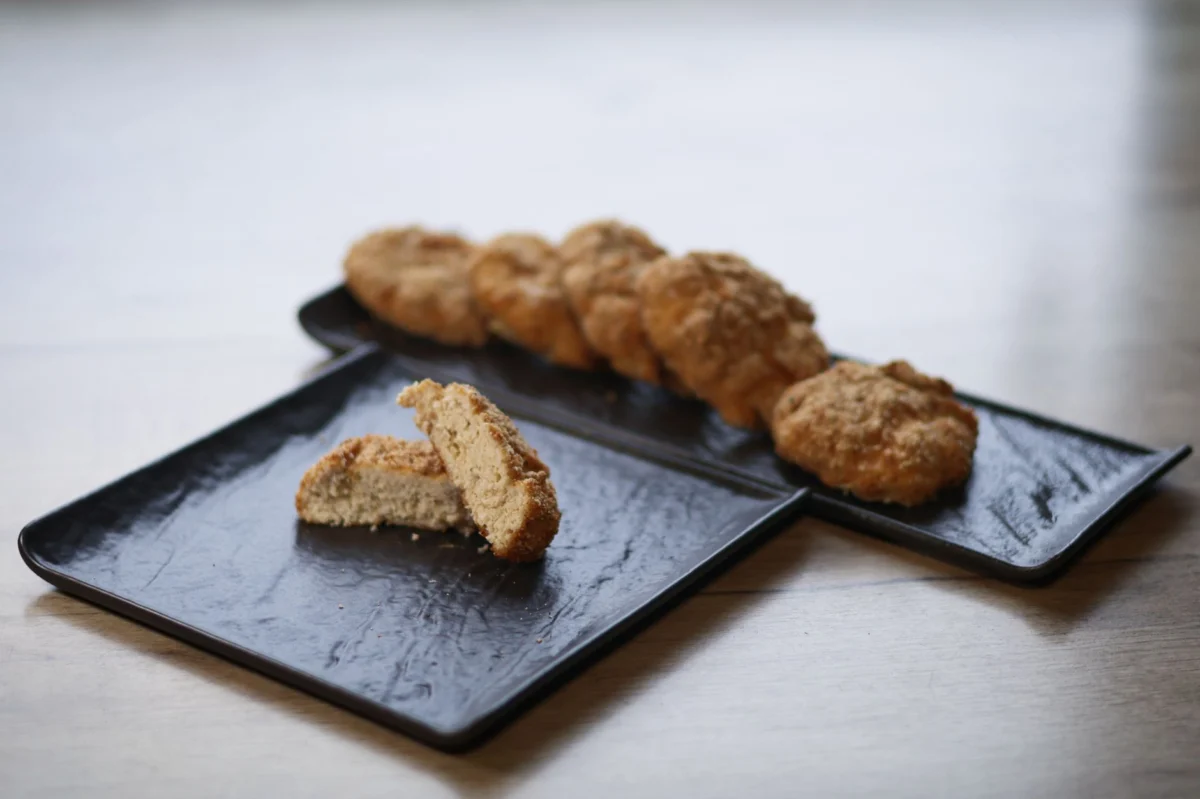
The retro trick for making oatmeal taste like dessert is not a gimmick. It is a control problem. Oats are naturally mild, so the result depends on how much flavor you build into the bowl before the first bite. The most effective version uses milk instead of water, a little butter, vanilla, cinnamon, and a restrained amount of brown sugar. That combination works because it changes aroma, texture, and finish at the same time.
This matters because breakfast culture keeps drifting toward extremes: either austere health food or sugar-heavy convenience food. Oatmeal can sit in the middle. If you understand the mechanics of flavor, a bowl of porridge can taste indulgent without becoming a pastry in disguise.
Why this trick works better than just adding more sugar
Oats—especially rolled oats—absorb liquid and build body. That gives you a neutral canvas, but it also means blandness is the default. Sugar alone brightens the bowl for a few seconds and then fades. Fat and aromatics, by contrast, linger. Butter coats the palate, vanilla expands perceived sweetness, cinnamon adds warmth, and a pinch of salt prevents the flavor from flattening. This is basic sensory chemistry, not nostalgia.
The old-fashioned appeal is partly historical. Many breakfast traditions treated grains as comfort food, not as punishment. In that sense, oatmeal belongs closer to comfort food than to strict diet cuisine. The technique borrows from the logic of dessert, not from dessert’s sugar load.
Fat carries flavor farther than syrup
Butter is the most underrated ingredient here. It improves mouthfeel and helps volatile aroma compounds linger. If you want a richer result, cook the oats in a mix of milk and water, then finish with a small knob of butter after the heat is off. That is simpler and more effective than dumping in extra syrup. For an even richer version, a small spoonful of sweetened condensed milk adds dairy depth and sweetness at once, though it pushes the bowl closer to dessert territory.
Sweetness needs a second register
Brown sugar works better than white sugar because its molasses note gives the bowl more dimension. Vanilla and cinnamon do the same job from another angle. Vanilla is not just a flavor; it makes sweetness read as rounded rather than sharp. Cinnamon adds an immediate dessert association because it is so deeply tied to baked goods, especially in Western breakfast habits.
Caramelization is part of the story too, but be precise: it happens when sugars are heated enough to deepen in color and flavor. In oatmeal, you usually get more from the aroma of browning than from actual caramelization in the strict sense. If you toast the oats first, you may also trigger the Maillard reaction, which adds nuttiness and a faint baked quality. That is why a lightly toasted bowl tastes more like a dessert crust than a boiled grain.
The retro method, step by step
- Toast the oats in a dry pan for one to two minutes, or briefly with butter if you want a deeper flavor.
- Add milk, water, or a mix of both, plus a pinch of salt. Stir until the oats are soft and creamy.
- Take the pan off the heat and add vanilla, cinnamon, and a small amount of brown sugar.
- Finish with butter, then add toppings that provide contrast rather than more sweetness.
This is where texture matters as much as taste. Steel-cut oats stay chewy and rustic, which is useful if you want a sturdier bowl. But if the goal is a dessert-like finish, rolled oats usually produce a smoother, more custard-like result. That does not make one superior; it just means the texture should match the effect you want.
Choose toppings with restraint
The best toppings do not compete with the base. They make the bowl feel composed. Fresh berries, banana slices, toasted pecans, walnuts, shredded coconut, cocoa nibs, or a spoonful of yogurt can sharpen the contrast without flooding the bowl with sugar. If you want a more pastry-like profile, a small spoon of nut butter or a few chopped dates works better than heavy frosting-style toppings.
- For a bakery feel: cinnamon, banana, walnuts, vanilla.
- For a richer feel: butter, pecans, a little condensed milk.
- For a lighter feel: berries, yogurt, toasted oats.
There is a reason breakfast bowls now borrow from overnight oats alike. People want the emotional satisfaction of dessert without the obvious downside of eating dessert first thing in the morning. The winning formula is not maximal sweetness; it is controlled richness.
Where people overcorrect
The most common mistake is trying to make the bowl taste like cake. Once that happens, the oatmeal stops tasting intentional and starts tasting artificial. Too much syrup masks the grain. Too many toppings create confusion. Instant flavored packets can be convenient, but they often flatten the flavor profile because the seasoning is already overworked before the cook starts.
Another mistake is ignoring salt. A pinched dose does not make the bowl salty; it prevents sweetness from becoming one-dimensional. This is standard culinary practice across both savory and sweet cooking. It is especially important if you are using milk, vanilla, or brown sugar, because dairy richness can quickly turn cloying if the bowl lacks a counterpoint.
What the nutrition trade-off really is
From a practical standpoint, oatmeal is a strong base because it offers fiber, satiety, and flexibility. If you want to check nutrient details, USDA FoodData Central is the most reliable place to compare ingredients, and MyPlate is useful for general portion guidance. The issue is not oatmeal itself; it is the scale of the additions. A tablespoon of brown sugar and a little butter behave very differently from a bowl loaded with syrup, candy, and sweetened cream.
That distinction matters because breakfast trends often collapse into slogans. Oatmeal is either framed as virtuous or made indistinguishable from dessert. The smarter position is to treat flavor as adjustable. If you want dessert-like oatmeal, you can absolutely get there while still keeping the bowl grounded in the structure of oats, not frosting.
FAQ
Can oatmeal really taste like dessert?
Yes. The trick is to build richness and aroma, not just sweetness. Milk, butter, vanilla, cinnamon, and a little salt create a dessert impression without making the bowl taste cheap or sugary.
Is brown sugar better than white sugar for oatmeal?
Usually yes. Brown sugar adds molasses depth, which reads as warmer and more dessert-like. White sugar sweetens cleanly but contributes less character.
What is the healthiest way to make dessert-style oatmeal?
Use rolled oats, cook them in milk or a milk-water mix, add modest sweetener, and lean on fruit, nuts, and spices for flavor. That keeps the bowl satisfying without turning it into a sugar delivery system.
The real lesson hiding in the bowl
The most important insight is that dessert flavor is not defined by sugar alone. It is built from fat, salt, aroma, and texture working together. Once you understand that, oatmeal stops being a blank breakfast and becomes a deliberate dish. The next shift to watch is whether home cooks keep moving toward smaller, more nuanced sweet breakfasts instead of oversized sugar spikes. My prediction is that the bowls that last will be the ones that feel indulgent on the tongue but disciplined in construction. The question is no longer whether oatmeal can taste like dessert. It is whether we can learn to make it feel luxurious without losing the integrity of the grain.
Frequently Asked Questions
Why does oatmeal taste more like dessert when you use milk instead of water?
Milk adds natural sugars, protein, and fat, which make the oats taste rounder and richer than water alone. It also helps the bowl feel creamier and less flat. That fuller texture makes vanilla, cinnamon, and a small amount of brown sugar seem more pronounced, so you get a dessert-like effect without needing much extra sweetener.
Is salt really necessary if the goal is a sweet, dessert-like bowl?
Yes. A small pinch of salt does not make oatmeal taste salty; it prevents the sweetness from seeming dull or one-note. Salt sharpens the other flavors, especially vanilla, cinnamon, and brown sugar, and keeps the bowl from tasting bland. Without it, the oatmeal can feel heavy rather than indulgent.
Should I use rolled oats or steel-cut oats for this kind of recipe?
Rolled oats are usually better if you want a softer, more custard-like result that feels closer to dessert. Steel-cut oats stay chewier and more rustic, which can be great, but they give a sturdier texture. The flavor trick works with both; the difference is mostly in mouthfeel and how polished the final bowl feels.
Can I make oatmeal taste sweet enough without adding much sugar at all?
Yes. The key is layering flavor instead of relying on sugar alone. Toast the oats first, use milk, add butter off the heat, and include vanilla plus cinnamon. Those ingredients create the impression of sweetness through aroma and richness. You may only need a small spoonful of brown sugar, or even just fruit for contrast.
What toppings work best if I want dessert vibes without turning the bowl into a sugar bomb?
Choose toppings that add texture or aroma rather than more sweetness. Toasted pecans, walnuts, berries, banana slices, shredded coconut, cocoa nibs, or a spoonful of yogurt all work well. They make the bowl feel more complete and dessert-like while keeping the base balanced and preventing the flavor from becoming cloying.