
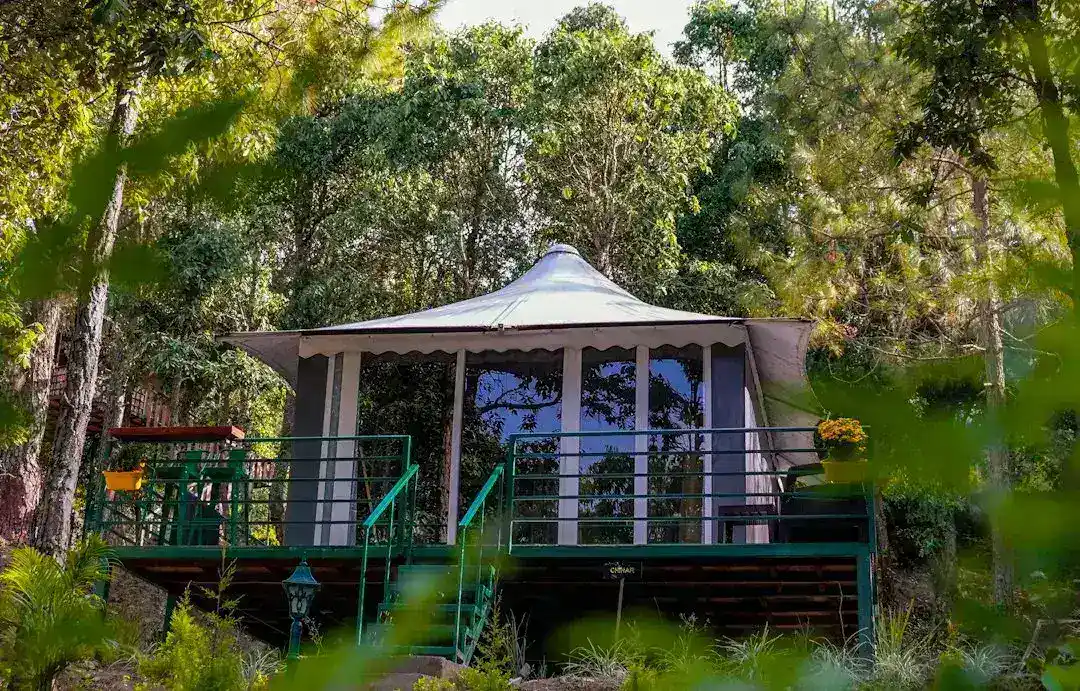
Luxury travel openings in 2027 are being shaped less by spectacle and more by restraint. The most compelling new retreats are not promising louder nightlife or bigger lobbies; they are promising silence, texture and a deeper relationship with the land around them. That is why the latest luxury travel edit is so revealing: from Lapland to the Mediterranean and deep into the Republic of the Congo, the market is leaning toward nature, privacy and a sense of place rather than generic opulence.
What the 2027 luxury travel edit reveals
Why 2027 feels like a turning point for luxury travel
To understand this moment, it helps to look at the broader shape of luxury tourism. High-end travel has steadily moved away from purely material display and toward emotional value: quiet, restoration, exclusivity and authenticity. That shift has been reinforced by the language of UN Tourism, by the growing importance of hospitality industry innovation, and by the rise of sustainability and responsible tourism as expectations rather than bonuses.
For many affluent travelers, the question is no longer, “How grand is it?” It is, “How rare does it feel?” A place can still be beautiful and lavish, but the best openings now feel intimate, locally rooted and psychologically spacious. That is the real story behind 2027: the strongest products are not trying to conquer nature; they are trying to frame it.
That is also why this year stands apart from earlier luxury cycles. A decade ago, the default answer to premium demand was often scale: larger resorts, more suites, more amenities. In 2027, the response is more intelligent and more selective. Operators are betting on slow travel, on properties that can survive shoulder seasons, and on experiences that feel designed for one landscape rather than copied across many.
Three destinations that define the mood of 2027
The appeal of 2027 is not just in the properties themselves, but in the geography they occupy. Lapland, the Mediterranean and the Republic of the Congo could hardly be more different, yet each reflects a distinct expression of modern luxury: stillness, refinement and rarity.
| Destination | Luxury expression | Why it matters in 2027 | Main watch-out |
|---|---|---|---|
| Lapland | Warm, design-led retreats in a snowbound landscape | Privacy, wellness and winter atmosphere | Climate volatility and a shorter cold season |
| Mediterranean coastlines | Boutique, architecture-driven escapes | Refined leisure with cultural depth and easier access | Heat, crowding and water stress |
| Republic of the Congo | Rainforest lodges and conservation-led adventure | Extreme rarity and true immersion in nature | Logistics, sensitivity and infrastructure limits |
Lapland: silence, warmth and winter as an experience
Lapland remains one of the clearest examples of luxury being defined by atmosphere rather than ornament. A great retreat in the far north does not need to shout; it needs to glow. Expect more use of timber, stone, heated glass walls and low-impact layouts that let guests watch snowfields, forests and the aurora without feeling cut off from comfort.
This is where glamping-inspired design and wellness tourism converge. The appeal lies in thermal baths, saunas, quiet dining and a rhythm of travel that encourages stillness. Yet Lapland also exposes a major tension for the sector: if winter patterns become less predictable, the luxury calendar becomes harder to protect. That makes seasonality, transport planning and climate resilience central business issues, not minor operational details.
The Mediterranean: polished ease with stronger identity
The Mediterranean Sea has always been a luxury mainstay, but the smartest 2027 openings will feel more considered than formulaic. The best projects will likely behave like a true boutique hotel: smaller scale, more character, and a strong design point of view. In this region, architecture matters as much as service, because the building itself becomes part of the experience.
The winning formula is unlikely to be gold taps and oversized lobbies. It will be shaded courtyards, stone that reflects local geology, menus rooted in the coast, and quiet access to the sea. Some travelers will still want the feeling of a private island without the environmental baggage, and that is where lower-density coastal retreats can shine. For the guest, the joy comes from ease; for the operator, the challenge is surviving heat, overtourism and the pressure to overbuild.
In practice, the Mediterranean is becoming a test case for slow travel in a high-demand setting: longer stays, better seasonal dispersion and stronger links to local culture. That is good for the guest and, if managed well, better for the destination.
The Republic of the Congo: rainforest rarity with real stakes
Few luxury markets feel as exciting, or as delicate, as the Republic of the Congo. Here, the story is not beachfront polish or alpine coziness; it is the pull of the rainforest, the intensity of biodiversity and the emotional charge of visiting a place where wilderness still feels genuinely dominant. That is exactly why the destination matters. Rarity is part of the luxury, but so is the responsibility that comes with entering such a fragile ecosystem.
Done well, this kind of opening sits at the intersection of ecotourism, conservation and high-touch service. It may involve access to a protected national park environment, guided wildlife encounters and a lodge model that keeps the footprint light. The emotional payoff can be extraordinary: a luxury experience that feels earned, not manufactured. For travelers who have already done the classic safari, the Congo offers something deeper and less familiar.
What the new luxury traveler actually wants
Privacy is becoming the new standard
Privacy has quietly become one of the most valuable currencies in high-end travel. Not privacy in the sense of hiding, but privacy in the sense of control: fewer shared spaces, fewer interruptions and more freedom to move at an unhurried pace. That explains the continuing appeal of villas, exclusive-use camps and destinations that can be experienced without crowds. The old luxury signal was visibility. The new one is discretion.
This is where the best operators understand the psychology of the guest. Travelers do not just want a room; they want a buffer against noise, scheduling friction and mass-market sameness. A small number of highly curated suites can feel more luxurious than a much larger property if the guest feels fully considered.
Sense of place beats generic opulence
Another defining theme of 2027 is the retreat from standardized luxury design. Guests are increasingly alert to properties that could be dropped into any country and still look the same. They now respond to regional materials, local craft, distinct culinary references and a hospitality style that feels grounded in place rather than borrowed from a global template.
That is why the strongest openings will be the ones that connect the building, the landscape and the guest journey into a single story. The most memorable travel experiences now feel like they could only exist there, and nowhere else.
Wellness and conservation are no longer separate ideas
Luxury wellness is no longer only about spa menus and treatments. It is increasingly tied to silence, air quality, immersion in nature and ethical credibility. In other words, the best wellness product often depends on the health of the destination itself. That is why wellness tourism, responsible tourism and sustainability now belong in the same conversation.
For travelers, this matters because the language of luxury is changing. A beautiful pool is nice. A beautiful pool with a credible water policy, a low-impact energy system and a setting that protects local ecosystems is more persuasive. The guest may not ask for a technical briefing, but the industry will be judged on whether those details are real.
How to judge a new opening before you book
When a new retreat launches, the glossy photos can be irresistible. The more useful question is whether the property has substance behind the styling. A smart buyer, advisor or journalist should look for a few non-negotiables.
- Design with context: Does the architecture respond to climate, landscape and local materials, or could it sit anywhere?
- Genuine privacy: Are the suites, villas or camps truly separated, or is privacy only a marketing phrase?
- Operational realism: Are transfer times, weather constraints and seasonal closures clearly addressed?
- Conservation credibility: Does the project support habitat protection, community employment or responsible access?
- Scale discipline: Is the guest experience protected by limited inventory, or will demand quickly dilute the atmosphere?
If the answers are vague, the opening may be attractive but not yet mature. In luxury travel, timing matters almost as much as location. The first season can be magical, but it can also reveal whether a concept is truly ready for the market.
The risks behind the glamour
Every wave of luxury openings carries a shadow side. In the Mediterranean, the risk is that more demand leads to more pressure on water, land and local housing. In Lapland, climate instability can threaten the very winter conditions that support the experience. In the Republic of the Congo, fragile infrastructure and ecological sensitivity mean that a single badly designed project can do damage that is difficult to reverse.
That is why the industry’s enthusiasm must be matched by discipline. Greenwashing remains a real problem, especially when remote settings make guests assume a property is automatically responsible. But remoteness is not the same as sustainability. A lodge can be far from a city and still be resource-intensive. A coastal retreat can feel private and still strain a shoreline. The best operators will prove their value through measurable restraint, not just aesthetic calm.
For that reason, the next few years will likely see more scrutiny around transport emissions, waste management, water use and local benefit. Luxury travel is not escaping regulation and public expectation; it is moving closer to them.
FAQ: luxury travel openings in 2027
What makes a luxury travel opening worth watching in 2027?
The most interesting openings combine a strong sense of place, strong design and a clear reason to exist beyond prestige. If a property only offers comfort, it will struggle to stand out. If it offers privacy, atmosphere and credibility, it can become a destination in its own right.
Why is Lapland so important to luxury travel right now?
Lapland captures a broader appetite for quiet, immersive winter escapes. It offers a rare mix of design-led comfort, natural drama and wellness rituals, which is why it remains one of the most magnetic luxury settings in Europe.
Are Mediterranean openings still exciting for luxury travelers?
Yes, but the bar is much higher. Travelers now want fewer clichés and more identity: thoughtful boutique hotel service, better architecture and a slower pace that feels connected to the coast instead of competing with it.
How should travelers evaluate eco claims at a new lodge or retreat?
Look for practical evidence, not slogans. Real indicators include conservation partnerships, community employment, careful land use, transparent transport planning and a design that respects the surrounding ecosystem.
The real test for 2027 is coherence, not opulence
The most important insight in this 2027 travel story is that luxury is becoming more coherent. The strongest openings will not just be beautiful; they will feel inevitable in their setting. A Lapland retreat should feel native to snow and silence. A Mediterranean hideaway should feel shaped by heat, stone and sea. A Congo rainforest lodge should feel like a careful invitation into a living ecosystem, not a takeover of it.
That is what readers should watch next: whether new projects can keep scaling rarity without draining it of meaning. The question hanging over 2027 is not whether luxury travel can become more expensive or more elaborate. It is whether it can stay intimate, locally grounded and ecologically honest while still thrilling the traveler. If the industry gets that balance right, the next wave of openings will do more than impress; they will redefine what it means to arrive somewhere well.
Frequently Asked Questions
Why are luxury openings in 2027 moving away from spectacle and toward restraint?
Because affluent travelers are increasingly valuing emotional rewards over visible excess. In 2027, luxury is more often defined by quiet, privacy, authenticity and a strong connection to place. Developers are responding with smaller, more thoughtful properties that feel intimate and restorative rather than oversized or interchangeable.
How is sustainability influencing the design of new luxury retreats in 2027?
Sustainability is no longer a bonus feature; it is shaping what guests expect. New openings are using lower-impact layouts, local materials and designs that fit the landscape instead of overpowering it. The goal is to protect the sense of place while still delivering comfort, exclusivity and a high level of service.
Why does Lapland stand out as a luxury destination if the season is so short?
Lapland’s appeal comes from atmosphere, not length of season. Its value lies in silence, winter scenery, wellness rituals and the feeling of being far from everyday life. Even so, climate volatility makes it a riskier business proposition, which is why resilience and careful season planning matter so much there.
What makes Mediterranean luxury different from the more remote destinations mentioned in the article?
The Mediterranean offers a different kind of premium experience: easier access, cultural depth and a more polished, lifestyle-oriented stay. The best 2027 openings are likely to be boutique in scale, design-led and locally distinctive. The challenge is avoiding the region’s usual problems of crowding, heat and environmental stress.
Why would luxury travelers choose the Republic of the Congo despite logistical challenges?
Because rarity is becoming part of luxury itself. In the Republic of the Congo, the draw is deep immersion in nature, conservation-led travel and a sense of discovery that few destinations can match. The trade-off is more complex logistics and limited infrastructure, which makes the experience more specialized and less conventional.
What is the main difference between older luxury resorts and the new wave of openings in 2027?
Older luxury often focused on scale, amenities and visible opulence. The new wave is more selective: smaller properties, stronger design identity and a closer relationship with the landscape. Instead of trying to be everything to everyone, these openings aim to feel specific, personal and emotionally memorable.