
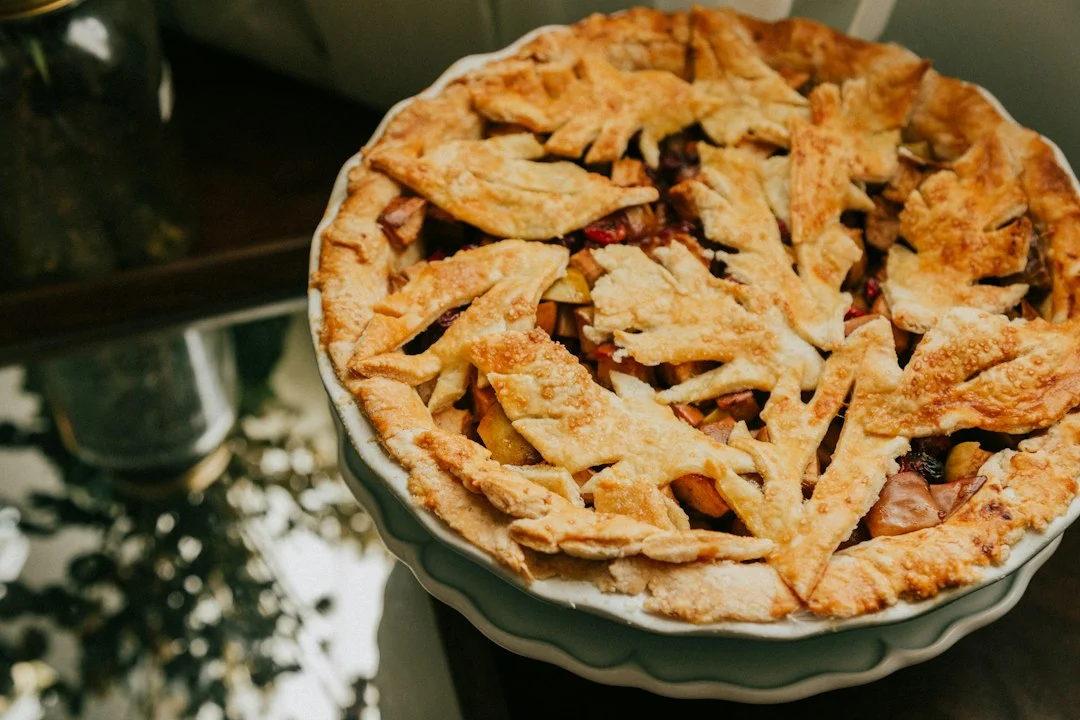
Among apple pie debates, the most useful homemade apple pie tips are usually the least glamorous. The best no-cost move is not a rare spice, a specialty pan, or a luxury gadget. It is control: manage the moisture before baking, then let the pie cool completely after it comes out of the oven. That is the difference between a clean slice and a collapsing filling. In pie making, patience is not a soft skill; it is structural engineering.
The claim sounds simple because it is simple. Apple pie fails when the filling overwhelms the crust. Apples release juice as they heat, sugar draws out even more liquid, and an underprepared crust absorbs the runoff. The result is a soggy base, dull texture, and a slice that will not hold. The professional baker’s advantage is not mystique. It is a clearer understanding of how baking, starch, and fruit behavior interact.
A good apple pie is less about generosity and more about control.
Homemade apple pie tips that actually change the result
The most effective improvement is moisture management. Slice the apples evenly, toss them with sugar and spice, let them rest, and drain the excess liquid before assembling. This does not cost anything, but it changes the filling from wet to structured. If you want the short version of pro baker apple pie technique, it is this: remove uncertainty before the pie enters the oven.
That logic matters because the crust is not just decoration. Whether you use a traditional shortcrust pastry or a more tender butter-heavy shell, the pastry has a limit. Water weakens it, delays browning, and blunts the crisp finish that people expect from a proper pie. As the crust browns, the Maillard reaction develops flavor; if the bottom stays wet too long, that process never has a fair chance.
How to keep apple pie filling from getting watery
This is the central issue behind nearly every soggy apple pie. The filling looks stable in the mixing bowl and collapses in the oven because fruit chemistry is not intuitive. Apples contain water, pectin, and natural sugars. Heat breaks down the fruit’s cell structure, and the released liquid must be thickened quickly enough to stay in the slice. If it is not, the sauce runs, the crust softens, and the pie looks underbaked even when it is finished.
Professional bakers often solve this with a two-stage process. First, they macerate the apples with sugar, salt, and spices such as cinnamon. Then they drain the fruit and, if necessary, reduce the liquid slightly before returning it to the filling. That step is boring, but it is effective. It reduces the burden on the crust and gives the thickener a fighting chance to do its job.
What to do before the pie goes into the oven
- Slice apples evenly so they cook at the same rate.
- Toss them with sugar, salt, and spice, then rest them for 20 to 40 minutes.
- Drain off the excess juice; save it if you want to reduce it on the stove.
- Assemble the pie only after the filling has stopped looking glossy and wet.
- Bake on a preheated sheet pan if your oven browns slowly.
That final point matters more than many home bakers expect. A hot baking surface helps the bottom crust set sooner, which reduces the time the filling has to leak into it. In a conventional or convection oven, the difference can be noticeable. Heat transfer is not a minor detail; it is the system that decides whether the pie firms up or slumps.
Best apples for apple pie: structure first, sweetness second
The best apples for apple pie are the ones that keep their shape and taste balanced after baking. That usually means mixing varieties instead of betting on a single type. Some apples go soft quickly, some stay firm, and some have more acidity than sugar. A good pie uses that contrast to avoid a filling that tastes flat or turns to applesauce. If you want a simple rule, choose at least one tart apple and one sweeter apple.
| Variety | General character | Pie role |
|---|---|---|
| Granny Smith | Tart and firm | Gives structure and keeps the filling bright |
| Honeycrisp | Crisp and sweet-tart | Adds freshness and texture |
| Braeburn | Firm and balanced | Holds shape well in mixed fillings |
| Golden Delicious | Sweet and mellow | Rounds out sharper fruit |
| Jonagold | Sweet-tart and aromatic | Works as a bridge between firm and soft apples |
This is where variety matters more than brand loyalty. A pie built only on very soft apples can taste pleasant but collapse under its own juice. A pie built only on tart, firm apples can feel sharp and one-dimensional. The best fillings behave like a composed argument: they balance each other.
The crust still decides whether the pie feels professional
Even perfect filling cannot rescue a weak crust. The shell needs enough fat to taste rich, enough flour to hold together, and enough handling restraint to stay tender. That is why bakers care about butter, flour, and temperature. Overworking pastry develops too much gluten; underbaking leaves a pale, doughy base. The issue is not mystery. It is measurement and discipline.
Some bakers also use a partial blind bake when they know the filling will be especially juicy. Blind baking is not mandatory for every apple pie, but it is a rational choice when the dough is delicate or the fruit is very wet. The point is to establish structure before the filling can sabotage it. That is how professionals think: they remove the easiest path to failure.
Common mistakes that make homemade apple pie worse
- Skipping the rest period: the filling looks fine in the bowl but leaks in the oven.
- Using too much thickener: the pie sets, but the texture turns pasty.
- Cutting too soon: the filling has not set, so the slice falls apart.
- Ignoring oven performance: weak bottom heat leaves the crust soft.
- Using only one apple type: the flavor becomes flat or the texture becomes monotonous.
The final mistake is the most common. Home bakers treat the pie as finished when the crust looks done. It is not finished until the filling has cooled and stabilized. That is why the free tip from a serious baker often comes down to waiting. The pie may smell ready, but the starches are still setting. Cut too early and the filling behaves like sauce instead of dessert.
If you want a practical food-safety reference for leftovers, check the USDA-linked FoodKeeper guidance before storing slices. Apple pie is forgiving, but storage still matters.
FAQ: Homemade apple pie tips
Why does apple pie turn soggy?
Because the apples release more liquid than the crust can absorb before the filling thickens. The fix is to manage moisture before baking and to let the pie cool after baking so the filling sets.
Should I pre-cook the apple filling?
Sometimes. Pre-cooking helps when the apples are especially juicy or the slices are thick, but it can also soften the fruit too much. Many bakers prefer a controlled rest-and-drain method instead.
How long should apple pie cool before slicing?
Long enough for the filling to set fully. In practice, that usually means several hours, not minutes. Cutting early is the fastest way to lose structure.
What is the best simple upgrade for a homemade apple pie?
The best upgrade is still free: control the moisture, bake thoroughly, and let the pie cool. Technique improves the pie more reliably than adding another ingredient.
The real test is not flavor alone, but structure
What matters next in apple pie is not novelty. It is precision. Better ovens, sharper understanding of fruit chemistry, and more disciplined cooling habits will keep outperforming gimmicks. A home baker does not need to buy the most expensive apples or chase a trendy filling. The decisive question is whether the pie holds together when the knife hits it. That is where the best homemade apple pie tips prove themselves: not in the aroma, but in the first slice.
The unresolved issue is simple and worth watching: how far can bakers push moisture reduction before the filling starts to taste dry? That boundary is where technique becomes judgment, and judgment is what separates an acceptable pie from a genuinely excellent one.
SEO DATA
Primary Focus Keyphrase: homemade apple pie tips
Related Keyphrase 2: best apples for apple pie
Related Keyphrase 3: how to keep apple pie filling from getting watery
Related Keyphrase 4: why does apple pie turn soggy
Related Keyphrase 5: pro baker apple pie technique
Primary Keyphrase Synonyms:
apple pie baking tips, homemade pie advice, apple pie baking guidance, pie-making techniques, fruit pie tips
SEO Title:
Homemade Apple Pie Tips: The No-Cost Trick Pro Bakers Use
Meta Description:
Homemade apple pie tips from a pro-baker perspective, including the free trick that prevents soggy filling and improves every slice.
URL Slug:
homemade-apple-pie-tips
Image Filename:
homemade-apple-pie-tips-pro-baker.jpg
Image ALT Text:
Fresh homemade apple pie cooling on a wire rack in a rustic kitchen with sliced apples nearby.
Image Title:
Homemade Apple Pie Cooling on a Rack
Image Caption:
The best no-cost upgrade is often patience: let the pie cool so the filling sets cleanly.
Search Intent:
Informational
Frequently Asked Questions
Should I drain the apple juices completely, or do I need some of that liquid for the pie filling?
Drain the excess liquid, but don’t necessarily discard all of it. The goal is to remove the free-flowing juice that would soak the crust. If you want a richer filling, you can reduce the collected liquid on the stove and add it back in a more concentrated form. That keeps flavor while lowering the risk of a watery pie.
Why does my apple pie still seem runny even when the apples are fully baked?
A pie can be fully cooked and still look runny if the filling liquid was never controlled before baking. Apples release water and sugar as they heat, and if that liquid wasn’t drained or thickened enough, it stays loose. The pie usually needs both proper pre-baking moisture management and complete cooling so the filling can set.
Is cooling the pie really that important if I want a clean slice?
Yes. Cooling is not just about serving temperature; it is part of the setting process. As the pie cools, the starches and fruit juices thicken and stabilize, which helps the filling hold together. Cutting too early releases steam and liquid, making even a well-baked pie collapse or look underdone.
Why does preheating a sheet pan help the bottom crust?
A preheated sheet pan gives the bottom crust immediate heat, which helps it set sooner. That reduces the time the filling has to seep downward before the pastry firms up. It is especially useful in ovens that brown slowly or bake unevenly, because faster bottom heat can be the difference between crisp and soggy.
Do I need one specific type of apple, or is mixing varieties actually better?
Mixing varieties is usually better because it gives you both structure and balanced flavor. A firm tart apple helps the filling keep its shape, while a sweeter apple adds depth and avoids a sharp, one-note taste. Using only one type can leave the pie too soft, too sweet, or too acidic after baking.