
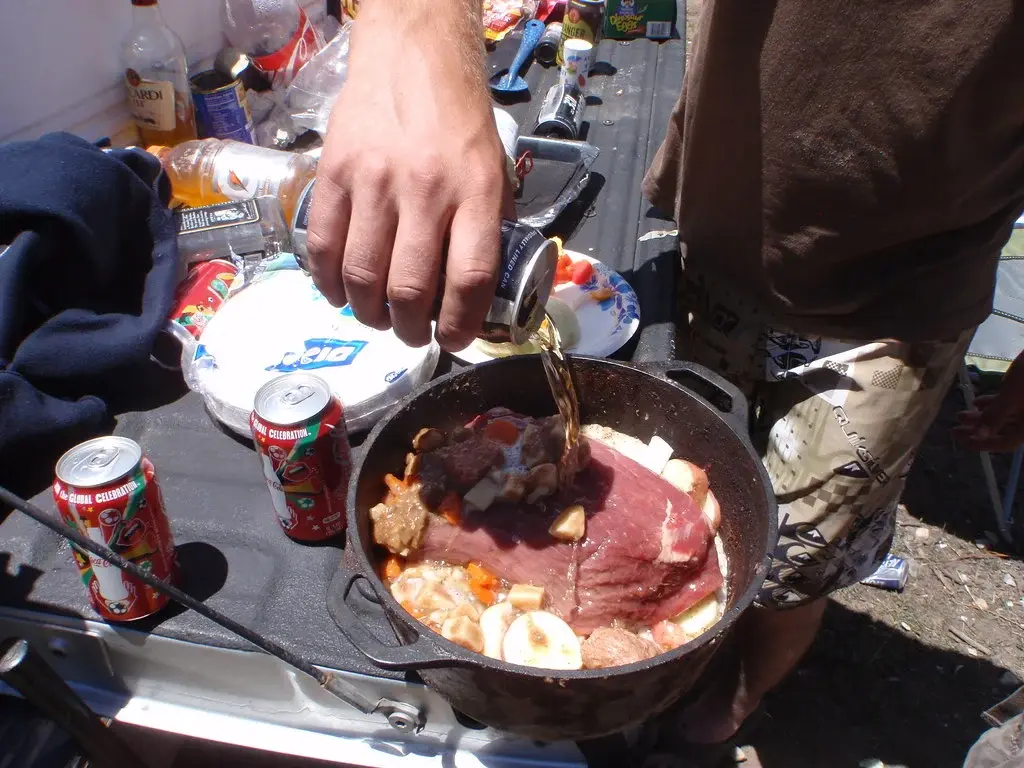
Grandma-style pot roast recipes still matter because they solve an old problem with durable logic: they turn a tough cut into fall-apart tender pot roast through braising, not luck. The best versions start with a well-marbled roast, usually chuck steak or chuck roast, a heavy Dutch oven, and enough time for collagen to soften into rich texture. What sounds like nostalgia is really technique: low, moist heat, layered seasoning, and restraint.
Why grandma-style pot roast recipes still work
Traditional pot roast depends on two things home cooks can control: browning and controlled heat. Searing creates the savory depth associated with the Maillard reaction; braising handles the rest. A proper base of mirepoix – onions, carrots, and celery – plus beef broth gives the liquid enough body to become gravy, not bland soup. That is why these recipes still feel dependable: they build flavor in layers instead of hiding weak technique under herbs and novelty.
If the liquid is bubbling hard, you are braising badly. Pot roast should tremble, not churn.
Where most home cooks go wrong
The most common mistake is choosing the wrong cut. A roast with little connective tissue will dry out long before it becomes tender. Brisket can work; lean round roasts usually disappoint unless the cook is unusually disciplined. The second mistake is using the wrong heat profile. Braising is not boiling, and a meat thermometer is useful for safety, but tenderness depends on texture, not a single number. The third mistake is impatience. Collagen breaks down slowly, which is why the roast can feel tough long before it finally yields.
Cut choice matters more than seasoning
Salt and pepper matter, but they do not rescue a poor cut. Chuck remains the most forgiving option because its fat and connective tissue reward long cooking. Leaner cuts can mimic the result only when every variable is tight, and that is not grandma-style cooking. It is a technical exercise.
Heat must stay controlled
Whether you cook in the oven, a slow cooker, or under pressure cooking, the principle is the same: keep the roast in a moist environment where the connective tissue can convert to gelatin. The goal is not speed. The goal is a consistent breakdown of structure without squeezing out moisture.
| Method | Strength | Weakness |
|---|---|---|
| Oven in Dutch oven | Best browning and depth | Longest cook time |
| Slow cooker | Easy, low attention | Weaker browning unless seared first |
| Pressure cooker | Fastest path to tenderness | Less nuanced flavor unless finished well |
How to make pot roast fall apart tender every time
If the real question is how to make pot roast fall apart tender every time, the answer is not a secret ingredient; it is control. Brown the roast first, add enough liquid to come partway up the meat rather than drown it, and keep the pot at a gentle simmer – not a rolling boil. If you are using a lid, leave it on. If you are finishing the sauce, do it after the roast has already become fork-tender. In practical terms, the recipe should describe a texture target, not just a clock target.
How the side ingredients carry the dish
In the best versions, the vegetables are not decoration. Potatoes, carrots, and onions absorb seasoned liquid and help transform the pot into a complete meal. That is why potatoes, carrots, and onions remain central rather than optional. The braising liquid should taste slightly too strong before cooking, because the beef and vegetables will dilute it. If the sauce is thin, reduce it into stock-based pan sauce and finish with a little butter or flour, depending on the style you want.
That is the difference between an old-fashioned dinner and a weak imitation. The old versions were not magical; they were balanced. They understood that the roast, the liquid, and the vegetables must all be useful, not merely present.
Questions readers ask most often
Why is my pot roast tough?
Usually because the cut was too lean, the heat was too high, or the cook stopped too soon. Toughness is not a sign that the recipe failed; it is usually a sign that the collagen has not fully relaxed into gelatin yet.
Should pot roast be cooked covered?
Yes. Covering the pot traps moisture and stabilizes the cooking environment. Without that lid, you are closer to roasting than braising, and the result is less forgiving.
Can I make it ahead?
Yes, and this is one reason grandma-style recipes endure. Braised beef keeps well, and overnight chilling can improve the sauce because fat rises and flavors settle. Reheat slowly so the meat does not dry out.
The part modern recipe writers should stop ignoring
The real value of grandma-style pot roast recipes is not nostalgia. It is repeatability. A good recipe explains the cut, the vessel, the liquid level, and the endpoint in plain language, which is why technique still beats trend-driven cooking. Among braised beef dinner recipes, the ones that survive are the ones that explain the physics instead of romanticizing the memory. As more home cooks use multicookers, smart ovens, and faster methods, the core logic will not change: the roast must be treated as a system, not a stopwatch problem. The unanswered question is how well modern recipes can keep teaching that system without turning it into jargon.
Frequently Asked Questions
Why does browning the roast matter if it will braise for hours anyway?
Browning is not just for color; it creates deep savory flavor through the Maillard reaction. That first sear gives the finished pot roast a richer, more “grandma-style” taste and helps the gravy taste beefier. Without it, the dish can still become tender, but it often tastes flatter and more one-dimensional.
How much liquid should I use so the pot roast braises correctly?
Use enough liquid to come partway up the meat, not fully submerge it. The roast should braise in moist heat, with steam and partial contact with the liquid working together. Too much liquid can make the flavors thin and turn the dish into boiled beef rather than a proper pot roast.
If temperature alone does not tell me when it is done, what should I look for?
Tenderness is the real target. The roast should yield easily to a fork and feel like it is starting to fall apart when moved. It may be safe to eat before it is truly tender, but collagen needs more time to break down. If it still feels tight, keep cooking gently.
Can I use a leaner cut like round roast and still get good results?
You can, but it is much less forgiving than chuck. Leaner cuts have less fat and connective tissue, so they dry out more easily before becoming tender. If you use one, precise heat control and careful timing matter a lot more. For the most reliable fall-apart texture, chuck is still the best choice.
When should the potatoes, carrots, and onions be added so they do not turn mushy?
They are usually added early enough to absorb flavor, but not so early that they disappear into the sauce. Onions can go in at the start, while potatoes and carrots often work best partway through cooking if you want them intact. If you want a softer, more integrated side, add them earlier.