
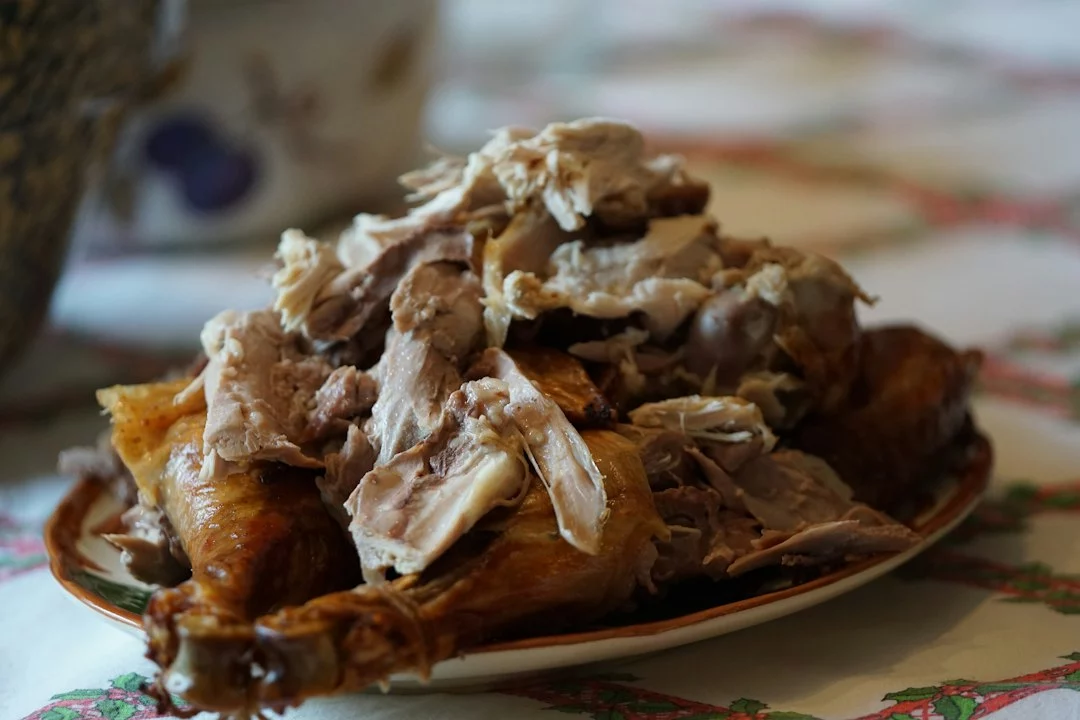
A 3-ingredient crispy slow cooker chicken recipe works because it reduces dinner to a manageable equation: slow cooker convenience, lean chicken as food, and just enough seasoning to keep the result from tasting flat. The appeal is obvious. A Crock-Pot or any similar appliance can turn raw poultry into dinner with almost no supervision. But the recipe’s promise also exposes a problem: “crispy” and “slow cooker” pull in opposite directions. The method is easy; the texture claim is the part that deserves scrutiny.
Why the three-ingredient formula is attractive
Minimal recipes win because they lower the cost of failure. Fewer ingredients mean fewer shopping decisions, less prep, and less room for error. That matters for beginners, tired parents, and anyone who treats cooking as a daily necessity rather than a hobby. In that sense, the recipe functions more like a recipe in the old practical sense: a repeatable instruction set that produces dinner, not a performance piece. The trade-off is predictability. When a dish relies on only three ingredients, each one has to work harder. Salt is not optional; neither is balance. A bland chicken breast cannot hide behind complexity, and a poorly chosen sauce can dominate the whole pan.
That is why cut selection matters. Chicken breast stays lean but can dry out. Chicken thigh tolerates long cooking better and usually gives a richer result. If the recipe does not specify, that omission is not trivial; it shifts the outcome more than most home cooks realize.
What a slow cooker can do and what it cannot
A slow cooker is built for low, steady heat and moist cooking. That makes it excellent for tenderness, a process that resembles braising more than roasting. It can soften connective tissue and distribute flavor slowly through the meat. It does not, however, create the high dry heat needed for browning. In other words, it can make chicken succulent, but not naturally crisp. Simmering and trapped steam are the enemies of crackly skin. The Maillard reaction, which gives browned food its savory depth, needs heat and dryness the appliance does not provide.
A slow cooker can tenderize; it cannot brown. If a recipe promises both, the crisp finish has to happen somewhere else.
That somewhere else is usually a broiler, skillet, or oven finish. A brief blast of broiling is the simplest fix because it exposes the surface to intense radiant heat. The difference is not cosmetic. It determines whether the dish tastes merely soft or deliberately cooked.
How to make the recipe work in practice
Professionally, the better question is not “Can a slow cooker make crispy chicken?” but “How do you stage the cooking so tenderness and texture are both represented?” That means separating the wet and dry phases. Keep the chicken from drowning in liquid. Use only enough moisture or sauce to prevent scorching, then remove the meat and dry the surface before finishing. A dry rub of salt and black pepper does more than season; it helps build flavor before the final high-heat step.
Choose the right cut
Thighs are the forgiving option; breasts are the lean option. If you want a dinner that survives a few extra minutes in the pot, thighs are usually the safer bet. If you want the cleanest, lightest result, breasts can work, but timing becomes less forgiving.
Finish with dry heat
Broiling or pan-searing is not an optional flourish. It is the step that turns soft chicken into something with edge and contrast. Without it, the recipe is tender, not crispy.
Do not guess the internal temperature
That last point matters because convenience recipes can create false confidence. For safe poultry handling, consult FoodSafety.gov and USDA FSIS. The issue is not abstract. Undercooked chicken can cause foodborne illness, and the slower the cook, the more tempting it is to trust texture instead of temperature. In any food safety discussion, the thermometer is more reliable than the fork.
- Choose thighs for forgiveness, breasts for leanness.
- Keep the lid closed; heat loss delays safe cooking.
- Do not expect the appliance to crisp skin on its own.
- Finish under a broiler or in a hot skillet for texture.
- Use a thermometer if you want certainty, not guesswork.
Why the dish feels effortless to beginners
The recipe’s educational value is underrated. It teaches a beginner the relationship between a method and an outcome: moisture creates tenderness; heat creates browning. It also teaches timing and restraint. A dish this simple can resemble a casserole in convenience, but it is more revealing because there is nowhere for sloppiness to hide. The cook learns that “easy” is not the same as “automatic.”
That is also why it can be a strong first recipe for older children, with supervision. The ingredient count is low, the sequence is short, and the stakes are understandable. But calling it a kid can make it sound safer than it is. Raw poultry still requires clean hands, clean surfaces, and adult judgment. Simplicity reduces cognitive load; it does not erase the rules of cooking.
What this recipe gets right, and what it oversells
| Claim | Reality |
|---|---|
| Three ingredients | Fast, affordable, and easy to remember. |
| Crispy | Only true if the chicken is finished with dry heat. |
| Slow cooker-friendly | Excellent for tenderness and low-effort timing. |
| Kid-friendly | Simple enough to learn, but not free of food-safety risks. |
The table exposes the core issue: many comfort-food titles compress technique into marketing. In practice, the smartest home cooks know where the slow cooker excels. A slow cooker gives you passive control; a broiler gives you texture; a skillet gives you speed. The best result usually combines at least two of those tools. That is not failure. It is competence.
How the method fits today’s kitchen habits
Modern home cooking is shaped by time scarcity, not culinary purity. People want meals that survive school pickups, commuting, and inconsistent schedules. That is why slow-cooked chicken remains durable even as air fryers and pressure cookers crowd the market. The appliance solves for attention, while the finishing step solves for quality. In that sense, the recipe sits at the intersection of convenience culture and better technique.
From an industry perspective, this is where the future likely goes: hybrid recipes that use one appliance for tenderness and another method for finish. The basic logic is unlikely to change, even if tools do. A future version may rely on a convection oven or an air fryer rather than a broiler, but the principle will remain the same. Moist cooking builds structure; dry heat creates character. That is as true for chicken as it is for most cooking.
FAQs about 3-ingredient crispy slow cooker chicken
Can a slow cooker really make chicken crispy?
No, not by itself. A slow cooker is designed for moist heat, which works against crisp skin. Crispness comes from a finishing step such as broiling or pan-searing.
What kind of chicken works best?
Thighs usually hold up better during long cooking because they are more forgiving. Breasts can work, but they demand tighter timing and careful monitoring.
Is a three-ingredient recipe enough for good flavor?
Sometimes, but only if the ingredients are chosen with discipline. Salt, seasoning, and a flavorful sauce or rub matter more when the ingredient list is short.
The real question behind the recipe
The most important insight is not that a three-ingredient recipe is clever; it is that simplicity only works when the cook understands what simplicity leaves out. In this case, the recipe leaves out browning, texture control, and sometimes even food-safety certainty. That is why the best version is not the one with the fewest steps, but the one that respects the limits of the appliance and corrects them deliberately.
Watch what changes next: more recipes will probably continue to promise “set it and forget it” ease, yet the strongest ones will quietly add a finishing technique to fix texture. The unanswered question is whether audiences want true minimalism or merely the feeling of it. The difference matters, because in home cooking the line between effortless and careless is often a single step.
Frequently Asked Questions
If a slow cooker can’t make chicken crispy, why use it for this recipe at all?
Because the slow cooker is doing the tenderness work, not the crisping. It gently cooks the chicken, keeping dinner hands-off and forgiving. The crisp texture has to come later, usually under a broiler or in a hot skillet. That split job is what makes the recipe practical instead of misleading.
Should I use chicken breasts or thighs for better results?
Thighs are usually the safer choice because they stay juicy through long cooking and are less likely to dry out. Breasts can work if you want a leaner result, but they need tighter timing. If the recipe doesn’t specify, thighs give you more room for error and a more satisfying texture.
How much liquid should I add to the slow cooker?
Only enough to keep the chicken from scorching and to carry flavor. The meat should not be submerged if you want any chance of a dry finish later. Too much liquid creates a steamed result and makes crisping harder, so a light hand is better than treating it like soup.
What is the best way to get a crispy finish after slow cooking?
The most reliable method is to remove the chicken, pat it dry, and finish it under a broiler or in a very hot skillet. Dry surface plus intense heat is what creates browning. If you skip that last step, you’ll get tender chicken, but not the contrast that makes it taste crisp.
Can I tell when the chicken is done just by looking at it or cutting into it?
Not reliably. Texture can be misleading, especially in a slow cooker where chicken may look done before it reaches a safe internal temperature. A thermometer is the best check. For poultry safety, temperature matters more than appearance, and it’s the most dependable way to avoid undercooking.
Why do 3-ingredient chicken recipes sometimes taste bland?
With only three ingredients, each one has a bigger job to do. If the seasoning is weak or the sauce is too sweet or too heavy, the whole dish can feel flat. Salt, balance, and the right cut of chicken matter more here than in more complex recipes because there’s nowhere for flavor to hide.