
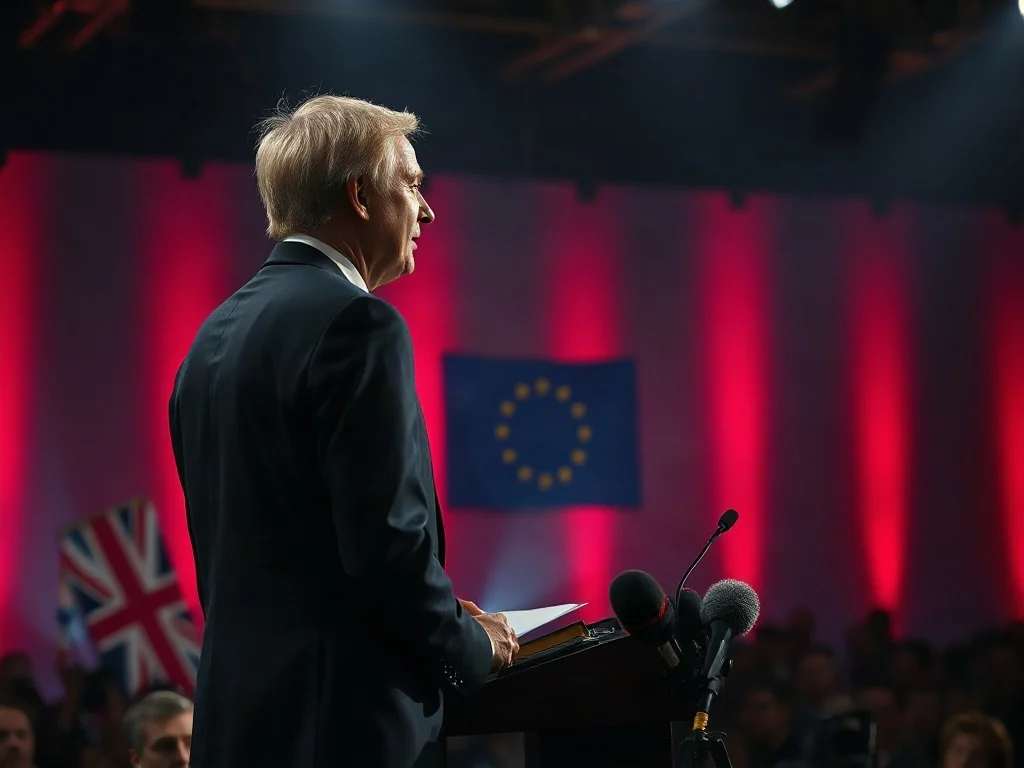
The Burnham EU debate has become a test of how far Labour can control its own argument about Europe. A BBC analysis by Chris Mason asks whether Andy Burnham can lower the temperature of the EU conversation, and what that conversation means for Labour and the prime minister. This article draws on that framing and on the publicly established record. It does not claim to report details beyond them.
Can Burnham turn volume down on EU debate?
Why the EU Question Keeps Returning to Labour
Almost a decade after the 2016 referendum, Brexit still shapes British politics. For the Labour Party, the issue is awkward because its coalition spans two groups. One is pro-European urban and graduate voters. The other is Leave-voting towns that Labour needs to hold or win back, including parts of the Red Wall.
Labour’s leadership has tried to manage this with a firm line. Keir Starmer‘s government has pursued a closer relationship with the European Union on trade barriers, security and defence. It has also ruled out rejoining the single market or the customs union. The strategy depends on the EU being a practical, low-drama subject, and any senior Labour voice who raises the stakes puts that discipline under strain.
Why Andy Burnham Matters in This Argument
A Powerful Voice Outside Westminster
Burnham is a former cabinet minister who has twice sought the Labour leadership. He is also Mayor of Greater Manchester, and his regional profile gives him a platform that is not controlled by party managers. His comments on Europe are therefore read as signals about Labour’s direction, whatever he intends.
Leadership Speculation Amplifies Every Remark
Whenever a prominent Labour figure is seen as a possible future leader, their views on a divisive issue are treated as positioning. That makes the Labour EU policy debate louder than the policy differences alone would justify. The difference between a pragmatic regional leader and a rival centre of power is often a matter of perception.
What the Starmer EU Reset Does and Does Not Settle
The Starmer EU reset is built on specific, incremental agreements rather than a grand constitutional change. That has real advantages:
- Deliverability: narrow deals on trade friction, security cooperation and mobility can be negotiated without reopening the referendum result.
- Message discipline: a limited ambition is easier to defend in Leave-voting constituencies.
- Economic focus: it concentrates on measurable gains for businesses and consumers.
It also carries risks. Pro-European Labour members may see it as timid, while opponents can call it Brexit reversal by stealth. Negotiated closeness also usually means accepting EU rules with limited influence over them, a trade-off that critics on both sides exploit.
The Political Pressure From Opponents
The Conservatives and Reform UK have strong incentives to frame any Labour talk of Europe as a first step towards rejoining. Most polling in recent years has found more people saying Brexit was a mistake than a success, but that does not mean voters want the issue reopened. For many, it ranks well below living costs and public services. This is the core of the Burnham EU debate: a view that is popular in principle can still be damaging if it dominates the headlines.
What Labour Can Do to Lower the Temperature
- Anchor the message in outcomes: talk about border delays, food exports and energy cooperation, not identity.
- Keep red lines consistent: avoid ambiguity on the single market, customs union and freedom of movement.
- Separate long-term views from current policy: individual politicians can hold opinions, but they must be clearly distinguished from government commitments.
- Link Europe to regional growth: the case that trade barriers hurt the North’s manufacturers and logistics firms is stronger than abstract arguments about sovereignty.
Official details of UK-EU arrangements are published on GOV.UK, and the BBC‘s political coverage tracks the wider reaction.
Frequently Asked Questions
Does Andy Burnham want to rejoin the EU?
This article cannot confirm a current position from the headline alone. Check his own recent statements and the full BBC analysis. What is established is that the government’s stated position rules out rejoining the single market and customs union.
Can Labour reopen the EU debate safely?
Only with careful limits. A focus on practical gains is lower-risk than a debate about reversing Brexit, which tends to unite opponents and split Labour’s own voters.
What is the EU reset?
It is the government’s effort to improve post-Brexit relations with Brussels through targeted agreements, not a return to membership.
The Real Question Behind the Volume
The deeper insight is that the volume of the EU debate matters as much as its content. Labour can accept a closer relationship with Europe, but it struggles when that relationship becomes a proxy for who leads the party and where it is heading. The test is whether Burnham, Starmer and their allies can hold different emphases without presenting them as a split.
Watch three things next: whether government messaging on Europe stays narrowly economic, whether Burnham’s comments are treated as support or as competition, and whether voters start to rank Europe above domestic pressures. If they do, no amount of message discipline will keep the volume down. The unanswered question is whether Labour can keep Europe quiet only for as long as it keeps winning elsewhere.
Frequently Asked Questions
Why do Andy Burnham's comments on Europe attract more attention than those of other Labour figures?
Burnham is a former cabinet minister, a two-time leadership contender and the Mayor of Greater Manchester. His regional platform is outside the control of party managers, and because he is seen as a possible future leader, his views are read as positioning rather than as personal opinion.
Does the Starmer government's EU reset mean the UK is heading back towards rejoining?
No. The government has pursued closer ties on trade barriers, security and defence, but it has explicitly ruled out rejoining the single market or the customs union. The reset consists of specific, incremental agreements rather than a grand constitutional change.
Why is the EU such an awkward issue for Labour's voter base?
Labour's coalition includes pro-European urban and graduate voters and Leave-voting towns, including parts of the Red Wall. A message that reassures one group can alienate the other, so the party prefers a practical, low-drama approach to Europe.
If more people now say Brexit was a mistake, why is reopening the debate risky for Labour?
Polling shows more people calling Brexit a mistake than a success, but that does not mean voters want the issue reopened. Many rank living costs and public services far higher. A popular view can still do damage if it dominates headlines and gives opponents an easy line.
What are the downsides of Labour's limited approach to the EU?
Pro-European members may see it as timid, while opponents can label it Brexit reversal by stealth. Closer alignment can also mean accepting EU rules with limited influence over them, a trade-off that critics on both sides of the argument can exploit.
How could Labour lower the temperature of the debate?
The article suggests anchoring the message in concrete outcomes such as border delays, food exports and energy cooperation. It also recommends keeping red lines consistent, separating personal views from government policy, and linking Europe to regional growth, particularly for Northern manufacturers and logistics firms.