
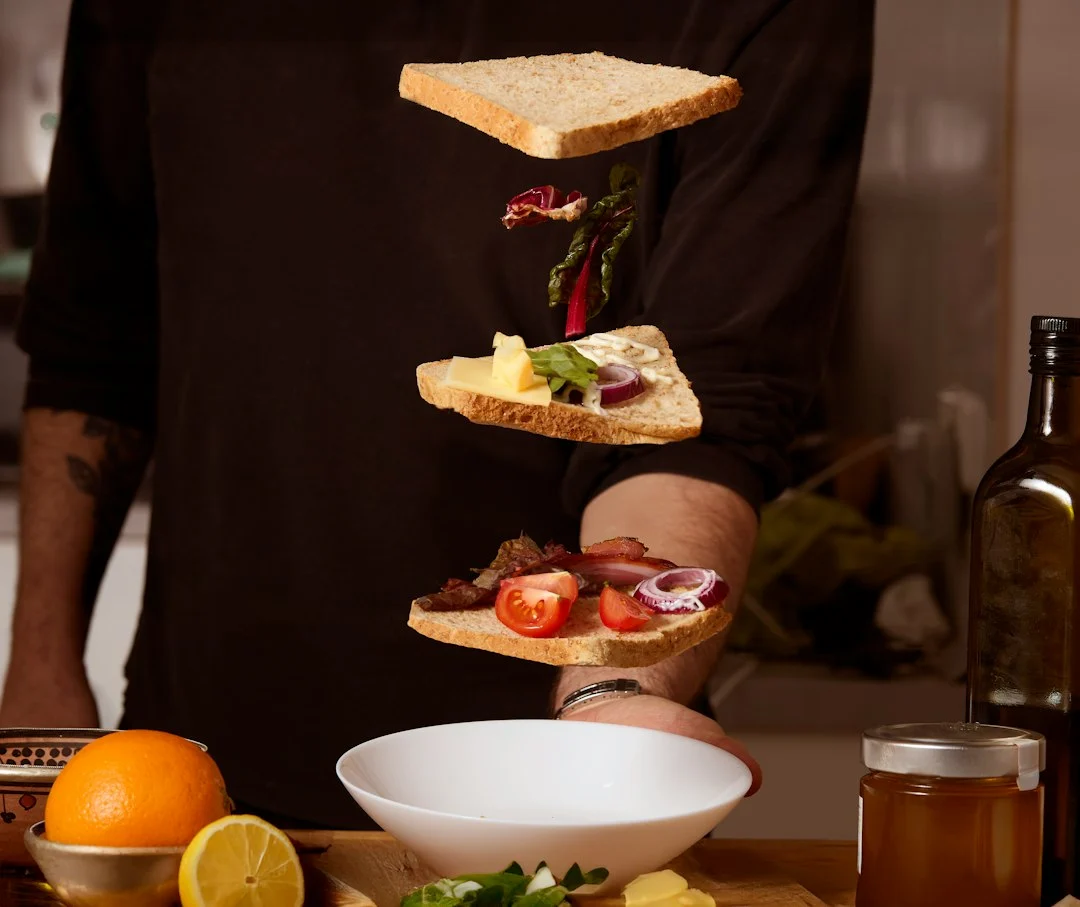
If four chefs independently call the same jar the best mayo brand, that is not trivia; it is a clue. The brand in question, Duke’s, has a reputation that goes beyond nostalgia. Its formula leans tart, dense, and unapologetically savory, which is exactly what many cooks want when mayonnaise has to support a sandwich, bind a salad, or sharpen a sauce. The answer makes more sense once you look at mayonnaise as an engineered emulsion, not just a condiment.
That distinction matters in the Southern United States, where mayo is not a background detail but a defining texture and flavor marker in American cuisine. The brand’s roots in South Carolina helped lock in that identity, but the stronger explanation is technical: chefs tend to reward products that perform across applications, not products that merely taste polite in isolation.
What separates the best mayo brand from an average jar
Chef consensus usually reflects sensory analysis in practice, even if the tasting is informal. Professionals care about acidity, salt balance, mouthfeel, and how quickly a spoonful disappears into bread or vegetables. They are not chasing the richest jar; they are chasing the one that improves the whole bite.
| Factor | What it changes | Why chefs notice it |
|---|---|---|
| Acidity | Brightens fat and salt | Keeps sandwiches and salads from tasting flat |
| Sweetness | Shapes aftertaste | Too much sugar makes the jar feel one-dimensional |
| Emulsion stability | Controls texture and spread | Better stability matters in cold dishes and sauces |
| Body | Determines how it coats bread and vegetables | A thin mayo reads as weak before the first bite |
In plain terms, a better jar usually comes down to the ratio of egg yolk, vinegar, and oil. Get those wrong and the sauce turns either bland or sharp in a way that feels unfinished. Get them right and the condiment disappears into the dish, which is the highest compliment it can receive.
Why Duke’s keeps winning blind loyalty
Duke’s stands out because it tastes intentional. Compared with mass-market jars such as Hellmann’s, it reads as more assertive and less sugary. That matters because many chefs want mayo to behave like seasoning, not frosting. In a sandwich, especially one with cured meat or tomato, a tangier mayo cuts through fat instead of being buried by it.
That is why Duke’s shows up so often in discussions of potato salad, coleslaw, and pimento cheese. Those dishes expose weaknesses quickly. If the mayo is too sweet, it muddies the profile. If it is too loose, it stops binding properly. Duke’s has earned its reputation by staying functional across all three tasks.
The best mayonnaise is the one you stop noticing because the dish tastes better around it.
Where the choice actually changes the dish
Sandwiches and cold builds
On bread, mayonnaise is not just flavor; it is lubrication, moisture control, and a barrier against sogginess. For a BLT-style build or a simple tomato sandwich, the jar has to deliver salt, tang, and fat without masking the tomato itself. That is why a stronger mayo often wins in the real world even when a milder one tastes more neutral in a spoon test.
Salads and spreads
In cold salads, mayo functions as structure. It must hold potatoes, celery, onion, or shredded vegetables together without breaking or tasting greasy. Here, the best mayo brand is the one with enough acidity to brighten the mix but enough body to keep the texture cohesive. This is also where brand loyalty becomes practical rather than emotional.
Deviled eggs and finishing sauces
In deviled egg filling, a weak mayo vanishes too fast and leaves the yolk tasting dry. In simple pan sauces or quick dressings, a more assertive jar can save time because the seasoning is already present. That is why some cooks prefer a single brand for nearly everything: consistency reduces guesswork.
The limits of chef consensus
Brand loyalty is real, but it is not proof of universal superiority. Chefs often favor products that fit restaurant workflow, local supply, and the flavor memory of their region. A jar that dominates in the South may not be the obvious winner in another market, and that does not make the other market wrong. It means taste is contextual.
Food science also explains why blind praise can be misleading. The best mayo for a sandwich is not always the best for a dressed salad or an aioli-style sauce. The question is not whether one brand is magically superior in every setting. The question is whether it performs better in the dishes people actually make most often.
What to watch next in the mayo aisle
The next round of competition will likely center on oil choice, reduced sugar, cleaner ingredient labels, and plant-based alternatives. Those shifts are not inherently good or bad. They simply change the trade-offs. If brands chase health cues too aggressively, they risk flattening the tang and body that make a serious mayonnaise useful in the first place.
That is the important business lesson behind the chef consensus: consumers do not just buy taste, they buy performance. The market will keep rewarding jars that solve a cooking problem better than their rivals, whether the label says classic, premium, avocado oil, or light. The product that wins is the one that earns repeat use, not one-time curiosity.
Frequently asked questions
Why do chefs prefer Duke’s mayonnaise?
Because it is tangy, thick, and less sweet than many mainstream alternatives, which helps it support food instead of overshadowing it.
Is Duke’s really different from other mayo brands?
Yes. The difference shows up in flavor balance, spreadability, and how well it holds up in cold dishes and sandwiches.
What is the best mayonnaise for sandwiches?
The best choice is the jar that adds fat, salt, and acid without flattening the other ingredients. For many cooks, that means a sharper, more savory style.
The test is whether the jar improves the plate
The deepest takeaway is simple: the best mayo brand is not the one with the softest flavor or the loudest packaging. It is the one that makes the rest of the dish taste more complete. Duke’s keeps winning because it behaves like a serious ingredient, not a decorative one.
Watch the next few years closely. As consumers demand clearer labels and more specialized formulas, mayonnaise brands will be forced to choose between broader appeal and stronger culinary identity. The unanswered question is whether the market rewards neutrality or rewards character. In mayo, character may still be the smarter business.
SEO DATA
Primary Focus Keyphrase: best mayo brand
Related Keyphrase 2: Duke’s mayonnaise
Related Keyphrase 3: why chefs prefer Duke’s mayonnaise
Related Keyphrase 4: what is the best mayonnaise for sandwiches
Related Keyphrase 5: real mayonnaise ingredients
Primary Keyphrase Synonyms:
top mayonnaise brand, best mayonnaise, favorite mayo brand, leading mayonnaise label, premium mayonnaise
SEO Title:
Best Mayo Brand: Why Chefs Keep Choosing Duke’s
Meta Description:
Why chefs keep naming Duke’s the best mayo brand, and what its tangy, stable formula reveals about sandwiches, salads, and sauces.
URL Slug:
best-mayo-brand-dukes
Image Filename:
best-mayo-brand-dukes.jpg
Image ALT Text:
Jar of Duke’s mayonnaise beside sandwich ingredients in a chef’s kitchen
Image Title:
Duke’s Mayonnaise in a Chef’s Kitchen
Image Caption:
Chefs often favor a tangier mayonnaise for sandwiches, salads, and cold spreads.
Search Intent:
Informational
Frequently Asked Questions
Why do chefs care so much about acidity in mayonnaise?
Acidity keeps mayo from tasting heavy or flat. In sandwiches and salads, it sharpens the fat, lifts the salt, and makes other ingredients taste clearer. A mayo with the right tang also helps balance rich foods like cured meats, potatoes, or eggs instead of blending into the background.
Is Duke's actually better, or is it just Southern nostalgia?
Nostalgia plays a role, but it is not the whole story. Duke's gets praised because its formula is tangier, denser, and less sweet than many mainstream jars. That makes it perform well in real cooking, especially where mayo needs to bind, coat, or cut through richness rather than simply taste mild.
Why does sweetness matter so much in mayonnaise?
Too much sweetness can make mayo seem one-note and can dull savory flavors in the dish. In potato salad, coleslaw, or a sandwich, a sweet mayo may read as cloying instead of supportive. Chefs usually prefer a jar that enhances the food without leaving a sugary aftertaste.
Can the same mayo really work for sandwiches, salads, and sauces?
Yes, but only if the emulsion is balanced enough. A good all-purpose mayo needs enough acidity to brighten, enough body to spread, and enough stability to hold up in cold dishes. That is why some chefs stick to one brand: consistency makes it easier to get predictable results across different recipes.
Why do blind taste tests sometimes favor Duke's even when people use another brand at home?
Blind tests often reveal texture and balance more clearly than habit does. People may be used to a milder mayo, but when they compare jars side by side, they notice that Duke's feels more assertive and functional. It tends to stand out because it seasons the food instead of just adding creaminess.