
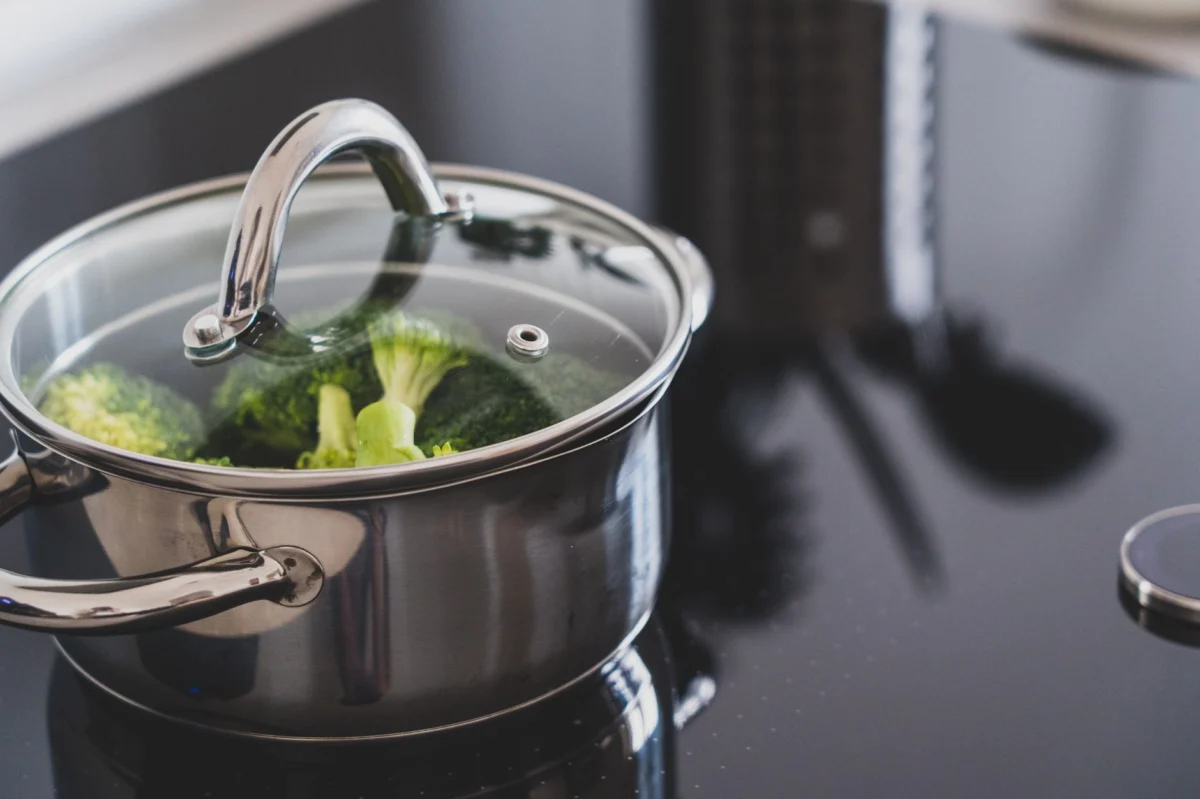
The common slow cooker mistake is not a bad recipe or a timid seasoning hand. It is opening the lid too often. In a slow cooker, the lid is part of the cooking system, not a viewing window. Every time it comes off, heat escapes, moisture shifts, and the steady rhythm that makes low-and-slow cooking work is interrupted.
That matters because slow cooking is closer to controlled braising than to casual simmering. It depends on basic thermodynamics: a closed vessel holds temperature more consistently, while an open vessel loses energy and must recover before the food continues cooking evenly. In practice, that means one impatient peek can affect texture, timing, and even food safety.
The effect is more than theoretical. Inside the cooker, steam supports gentle convection, liquid stays stable, and collagen-rich cuts break down gradually into tender meat. Pull the lid repeatedly and you disrupt that balance. The dish may still finish, but the result can be drier meat, limp vegetables, and sauce that never settles into the body a proper stew should have.
Why opening the lid changes the result
The lid does three jobs at once: it traps heat, preserves moisture, and keeps the internal environment predictable. Lifting it undermines all three. That is why the mistake is so easy to underestimate; it looks harmless. In reality, it changes the physics of the pot.
In slow cooking, restraint is not passive. It is part of the technique.
| What cooks do | What it changes | Better approach |
|---|---|---|
| Open the lid to check progress | Heat escapes and the cooker must recover | Trust the timer until the final stage |
| Stir frequently | Steam loss and broken texture | Stir only when the recipe specifically calls for it |
| Add cold ingredients late without planning | Temperature drops and cooking time extends | Warm additions first when possible |
| Judge doneness by appearance alone | Uneven centers can remain undercooked | Use a thermometer or a tested timing window |
There is also a flavor cost. The Maillard reaction does not happen well in a moist, low-temperature environment, which is why searing meat first is often worth the extra pan. If you interrupt the slow cooker repeatedly, you do not create better browning; you simply slow the entire process without gaining the flavor you were hoping to rescue.
The food-safety problem most people miss
The most practical reason to keep the lid shut is that slow cooking is not only about tenderness; it is also about moving food through a safe and stable temperature range. The USDA’s slow cookers and food safety guidance emphasizes steady heat and proper handling. That caution is rooted in the same concern that underlies general warnings about foodborne illness: if cooking is delayed too long, bacteria have more time to multiply.
This is why a slow cooker is not the right tool for every task. It is excellent for long-cooking foods with connective tissue, beans, soups, and rich sauces. It is a poor substitute for active cooking when you need repeated monitoring, rapid reduction, or constant stirring. If a recipe depends on frequent adjustment, the appliance is telling you something: you may be using the wrong method for the dish.
What experienced cooks do instead
They plan for the lid to stay on
Professional and experienced home cooks generally treat the slow cooker as a sealed environment. They add ingredients in the correct order, use pieces of similar size, and avoid checking just to satisfy curiosity. That discipline matters more than almost any gadget feature.
They make visual checks unnecessary
When doneness matters, they use timing, temperature, and texture cues that do not require constant peeking. A probe thermometer at the end of the cook is more reliable than opening the lid every hour. So is choosing recipes that are specifically designed for the machine rather than improvising a dish that really belongs in a pot on the stove.
They know when to break the rule
There are legitimate reasons to open the lid: adding dairy near the end, folding in delicate herbs, or correcting a recipe that clearly needs a final adjustment. But those are deliberate interventions, not habitual ones. If you must open the cooker, do it once, quickly, and with a specific purpose.
That same logic applies to ingredients that change texture quickly. Soft vegetables, cream, and fresh greens should often go in late. Hard vegetables and collagen-rich cuts should go in early. The point is not perfectionism; it is respecting how the appliance behaves.
FAQ: the questions people ask after dinner goes wrong
Should I ever lift the lid on a slow cooker?
Yes, but only when you have a clear reason. Quick end-stage additions are fine. Repeated checking is the problem.
Does opening the lid really add cooking time?
Yes. The exact delay depends on the model, fill level, and room conditions, but the direction is always the same: the cooker loses heat and needs time to recover.
Is it safe to stir the food while it cooks?
Usually, only if the recipe calls for it. Stirring releases steam and can damage texture in dishes meant to cook undisturbed.
How do I check if dinner is done without ruining it?
Use the recipe’s timing guidance, then verify with a thermometer or fork test at the end. If the dish needs more time, add it once and close the lid again immediately.
The next real upgrade in slow cooking will not be more curiosity
Future slow cookers will almost certainly get smarter: better temperature probes, app alerts, and tighter control over cooking stages. But even the best technology will not change the central rule. A sealed cooker works because it is left alone. The more the appliance can tell you what is happening inside, the less reason you have to keep interrupting it.
That leaves the real unanswered question: will home cooks become more disciplined, or will new gadgets simply make them feel safer while they keep opening the lid anyway? The physics has not changed, and that is exactly why this mistake still matters.
Frequently Asked Questions
How much does opening the lid actually change the cooking time?
Even a brief lid lift can let enough heat escape to slow the cooker noticeably, especially early in the process. The pot has to recover its temperature before cooking resumes at the same pace. One quick check may add only a small delay, but repeated opening can stretch the cook and affect texture more than most people expect.
Why does the food sometimes turn out drier if slow cooking is supposed to keep moisture in?
Slow cookers rely on a sealed, humid environment. When the lid comes off, steam escapes and the balance inside changes, so less moisture circulates around the food. That can leave meat less succulent and vegetables less tender. The issue is not just evaporation; it is the interruption of the steady, enclosed cooking environment.
Is it ever okay to stir or check the food during cooking?
Yes, but only when the recipe specifically calls for it or when there is a real reason, such as adding delicate ingredients near the end. Frequent stirring releases steam and can break down texture. If a dish needs regular attention, it may be better suited to stovetop cooking than to a slow cooker.
Does opening the lid create a real food-safety risk, or just a texture problem?
It can affect both. Slow cooking depends on steady heat to move food through a safe temperature range. If the lid is opened often, the cooker loses heat and takes longer to recover, which can delay that process. That is why careful handling matters, especially with meat, beans, and other dense ingredients.
If I want to see whether the meal is done, what is the best alternative to peeking?
Use timing and a thermometer instead of visual guesswork. A probe thermometer at the end of cooking gives a more reliable answer than repeated lid lifting. It also helps to choose recipes designed for the slow cooker, since those usually come with a tested time window and doneness cues that do not require constant checking.