
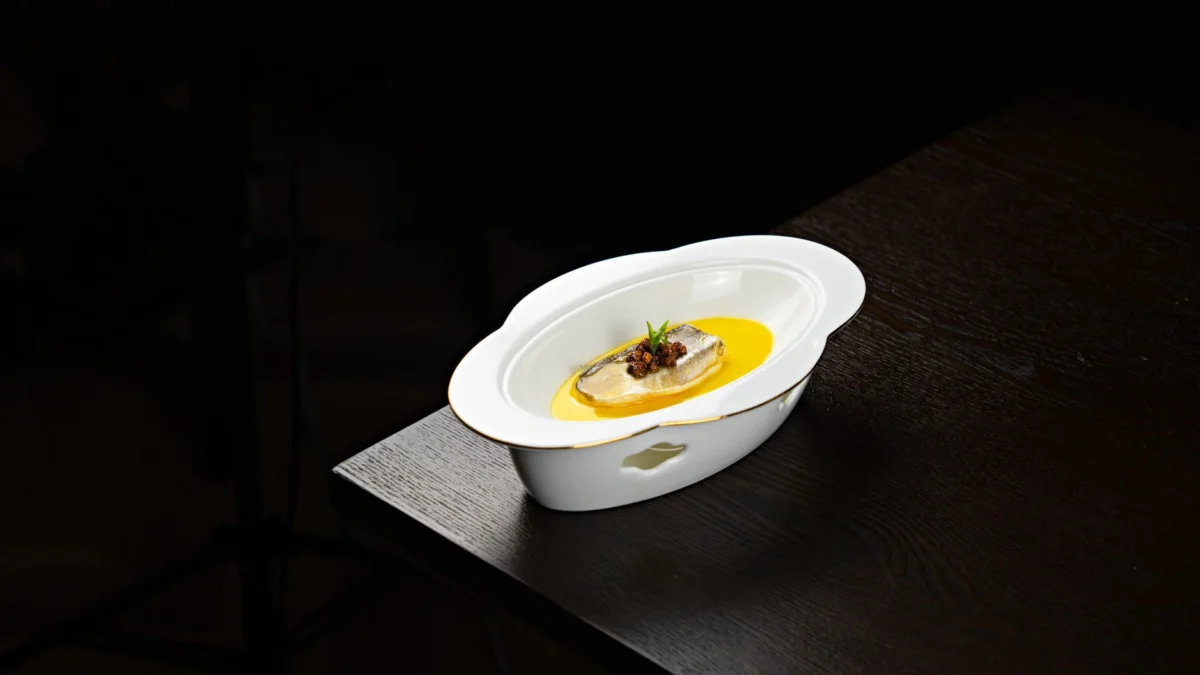
Fish sauce in soup works because it does not try to replace the dish; it sharpens it. A small splash of this fermented seasoning adds salt, depth, and a dense layer of umami that most broths lack on their own. The result is not a fishy soup. Done correctly, it is a more complete one.
Why fish sauce works better than plain salt
At its core, fish sauce is a product of fermentation, usually of anchovies or similar small fish, with salt. That process concentrates savory compounds, including the amino acid glutamic acid, which helps explain the sauce’s connection to umami. The mechanism is simple: salt seasons, but umami rounds out flavor. In practical terms, fish sauce gives soup the perception of a longer-cooked broth without requiring hours of reduction.
This is why chefs often treat it as a finishing tool rather than a gimmick. The goal is not to make the pot taste like seafood. It is to restore balance in soups that taste thin, flat, or aggressively one-note. A spoonful can make vegetable soup taste more structured, chicken soup taste fuller, and noodle soup taste less generic.
The strongest seasoning is often the one that changes perception without announcing itself.
How to use fish sauce without overdoing it
The mistake most home cooks make is treating fish sauce like a flavor bomb instead of a concentrated seasoning. It is potent. Start small and build. Add a few drops near the end of cooking, then taste after each addition. In a larger pot, a teaspoon can be enough to change the profile; in a single bowl, much less may be needed.
Best timing
- During simmering: useful in bean soups, chicken soups, and stock-based stews.
- At the end: best for delicate vegetable soups where you want control.
- As a correction: ideal when a soup tastes good but unfinished.
Compared with soy sauce, fish sauce usually adds less sweetness and a sharper savory edge. Compared with Worcestershire sauce, it is more direct and less complex. That directness is useful in soups, where too many competing notes can muddy the result.
Which soups benefit most
Fish sauce is most effective in soups that already have body but need definition. Tomato soup, lentil soup, chicken noodle, miso-based bowls, and bean soups all benefit from a measured dose. It also performs well in dishes associated with Southeast Asian and East Asian cooking, including pho and ramen, where layered savory flavor is part of the structure rather than an afterthought.
It is less useful in very sweet soups, highly acidic soups, or dishes that already rely on intense cured ingredients. In those cases, another savory source may be better. A little miso, a little dashi, or even a touch of kelp-based stock may fit the dish more naturally.
What fish sauce adds that stock alone often does not
Good stock should already have depth, but many commercial or hurried home versions are under-seasoned. Fish sauce compensates for that gap. It contributes savory intensity without requiring more simmering time, and it helps bridge the difference between a soup that is technically seasoned and one that tastes complete.
The distinction matters. A soup can contain enough salt and still feel thin. That usually means the flavor architecture is missing savory anchors. In that sense, fish sauce is less like an exotic ingredient and more like a corrective tool. It fills in the space where taste falls apart.
Where the idea fails
Fish sauce is not a universal fix. If a soup is bland because it lacks aromatics, acid, or texture, adding saltier liquid will only amplify the weakness. If you overuse it, the broth can shift from savory to aggressively briny. And if the dish must remain vegetarian or vegan, fish sauce is obviously the wrong choice.
For plant-based cooking, the closer substitutes are usually not direct replacements but alternative umami sources: mushroom powder, tomato paste, soy sauce, fermented bean pastes, or a seaweed-based broth. The best substitute depends on the base flavor of the soup, not on the desire to copy fish sauce itself.
Why this pantry staple keeps winning in modern cooking
Fish sauce belongs to a broader family of fermented seasonings that also includes anchovy-based pastes, sardine-derived sauces, and even the savory logic behind some versions of Worcestershire sauce. The common thread is not seafood novelty; it is concentration. Fermentation turns raw ingredients into seasoning systems.
That is why chefs value fish sauce in the same way they value salt, acid, and stock: it is a precision tool. It can make a pot of soup taste older, deeper, and more deliberate than it actually is. Used carelessly, it overwhelms. Used properly, it disappears into the background while improving everything else.
FAQ
Does fish sauce make soup taste fishy?
Usually no. In small amounts, it tastes savory and rounded, not fishy. The fish note is most noticeable only when the seasoning is overused.
Can I add fish sauce to any soup?
Not any soup, but many of them. It works best in brothy, savory soups that need more depth. It is less useful in sweet, delicate, or already strongly seasoned dishes.
How much should I use?
Start with a few drops or a small splash, then taste. The right amount depends on volume, salt level, and the soup’s existing depth. The correct dose is usually smaller than people expect.
What is the best substitute for fish sauce?
There is no perfect substitute, but soy sauce, miso, mushroom seasoning, and seaweed-based broth can supply similar savory pressure depending on the recipe.
What to watch next in soup seasoning
The most important insight is that soup rarely improves from blunt force. It improves from calibration. Fish sauce works because it solves a specific problem: it adds salinity plus umami in a form that integrates quickly and quietly. That is why the ingredient keeps showing up in serious home kitchens and professional kitchens alike.
What to watch next is the larger shift in cooking habits. More cooks are learning to treat fermented condiments as structural ingredients rather than regional curiosities. That may drive more interest in low-sodium formulations, plant-based umami boosters, and hybrid pantry seasonings designed to do what fish sauce does without the same constraints. The unanswered question is whether home cooks will start seasoning with more intention, or simply keep chasing stronger flavors. The better bet is the former: less guesswork, more precision, and soups that taste finished instead of merely hot.
Frequently Asked Questions
Will fish sauce make my soup taste fishy?
Usually no, if you use it sparingly. In soup, fish sauce works more like a savory enhancer than a seafood flavoring. A small amount adds salt and umami, which makes the broth taste fuller and more rounded. The fish note tends to disappear into the background unless you add too much.
When is the best time to add fish sauce to soup?
It depends on the soup. For delicate vegetable soups, add it near the end so you can control the final flavor. For bean soups, chicken soups, and stews, it can go in during simmering. If the soup already tastes close to finished but somehow flat, add it as a final correction.
How much fish sauce should I use in a pot of soup?
Start with very little. In a large pot, a teaspoon can be enough to noticeably improve the flavor, and in a single bowl, only a few drops may be needed. Fish sauce is concentrated, so it is better to build gradually and taste after each addition rather than risk making the broth too salty.
Can fish sauce replace stock or broth in soup?
Not really. Fish sauce is best as a seasoning tool, not a full replacement for stock. It adds depth, salt, and umami, but it does not provide the body, aromatics, or structure that a good broth contributes. Think of it as a way to strengthen an existing base, not to build one from scratch.
What is the best substitute if I want the same effect but need a vegetarian soup?
The closest match depends on the soup’s flavor, but mushroom powder, soy sauce, fermented bean paste, tomato paste, or a seaweed-based broth can all add similar umami depth. These are not exact replacements, but they can improve a thin or flat vegetarian soup in much the same way fish sauce does.