
Easy sautéed spinach is not a decorative side dish; it is a test of heat control, moisture management, and timing. When fresh spinach is cooked with garlic and olive oil, the leaves collapse into a tender, glossy pile in minutes. That makes the dish look effortless, but the result depends on understanding how a leaf vegetable behaves in a hot pan. The value of this recipe is practical: it turns an inexpensive ingredient into a dependable side without hiding it under heavy sauce.
Why easy sautéed spinach works
The method works because sautéing is a fast, dry-heat technique that uses a small amount of fat to move flavor across the pan. Spinach has a high water content, so the goal is not long cooking; it is quick wilting before the leaves over-soften. In other words, the pan has to do three jobs at once: evaporate surface moisture, perfume the oil, and soften the greens without turning them dull.
That is why the recipe feels so aligned with Mediterranean diet cooking. It relies on a short ingredient list, restrained fat, and a vegetable that stays central instead of becoming a garnish. The flavor comes mainly from garlic and olive oil, not from excess salt or butter.
Choosing the right spinach
Baby spinach cooks fast and gives a softer finish. Mature spinach is sturdier and can handle a little more heat, but it also needs more tossing. Either type can work, yet the technique changes slightly. If the leaves are wet from washing, the pan starts steaming instead of sautéing, and the result becomes limp rather than bright. Drying the greens well is not a minor step; it is the step that decides whether the dish tastes concentrated or watered down.
Freshness matters too. Older leaves lose their snap, and that loss shows immediately in the pan. For a quick side dish, spinach should be treated like a fragile ingredient, not a durable one. If you crowd the skillet, the leaves compress, release water, and create a local steam chamber. That is efficient for cooking, but poor for texture.
Garlic and oil need discipline
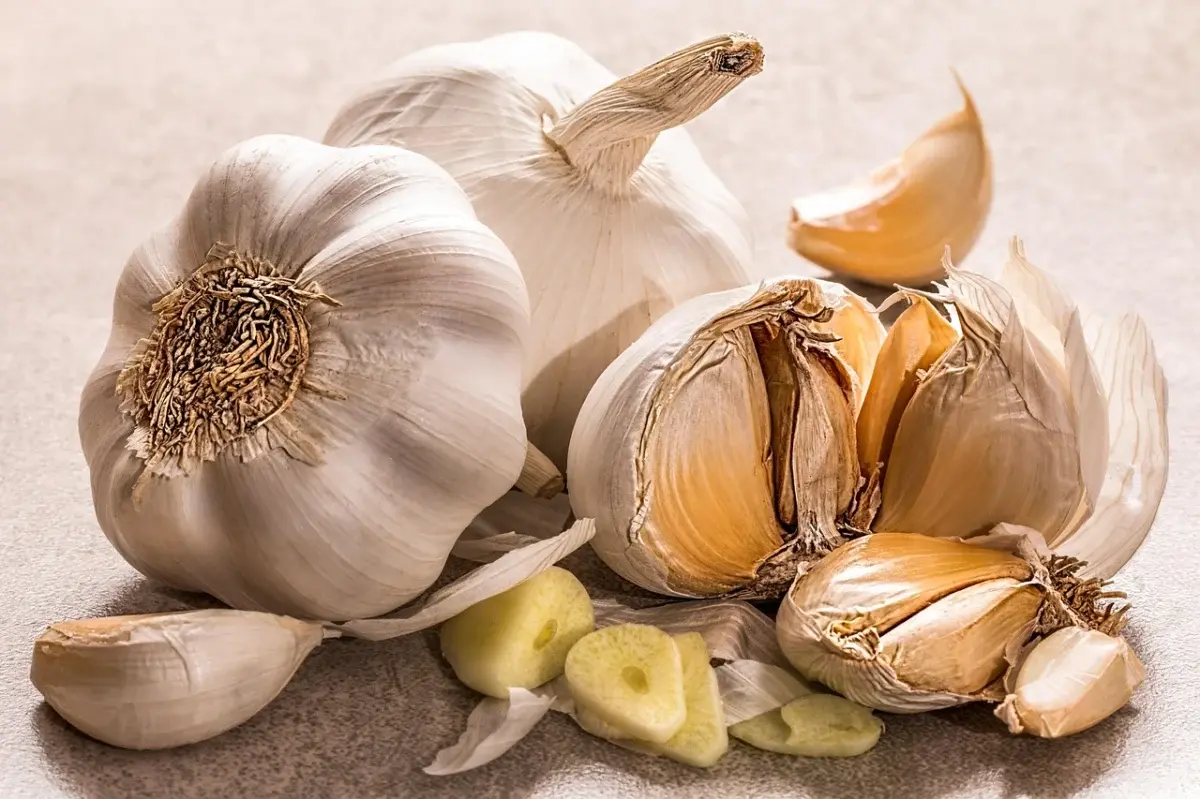
Garlic is the most common point of failure. Its aromatic compounds, including allicin, create the flavor people want, but garlic also turns bitter quickly once it browns too far. The correct move is simple: warm the oil, cook the garlic just until fragrant, then add the spinach before the cloves darken. A little patience is useful; too much is not.
Good olive oil does more than prevent sticking. It carries the garlic aroma, gives the leaves a soft sheen, and keeps the finished dish from tasting thin. In this recipe, oil is not an optional garnish. It is the medium that makes the vegetable taste complete.
What heat changes in the leaves
Spinach is rich in pigments such as chlorophyll, which is why overcooking produces a flat olive color instead of a vivid green. A short sauté preserves a fresher appearance and a cleaner taste. The texture changes just as much: cell walls soften, the volume collapses, and the leaves become silky enough to eat with a fork rather than a knife.
Nutrition discussions around spinach often focus on compounds such as vitamin K and lutein. Cooking changes how food is digested and absorbed, but the precise effect depends on time, temperature, and how much water leaves the pan. That is why broad claims about
Frequently Asked Questions
Why does my sautéed spinach turn watery instead of glossy and tender?
The most common reason is excess moisture. If the spinach is still wet from washing, it steams in the pan instead of sautéing, which makes it limp and diluted. Drying the leaves well and avoiding an overcrowded skillet helps the water evaporate quickly, so the spinach stays concentrated, bright, and tender.
Can I use mature spinach instead of baby spinach for this recipe?
Yes, but the texture and timing change a little. Baby spinach wilts very quickly and finishes softer, while mature spinach is sturdier and can handle slightly more heat. Because mature leaves are thicker, they usually need a bit more tossing and a slightly longer cooking window to soften evenly without becoming tough.
How do I keep the garlic from turning bitter?
Garlic should be added to warm oil only until fragrant, not browned. Once it starts to darken too much, bitter flavors develop fast and can dominate the dish. The spinach should go into the pan before the garlic reaches that point, so the residual heat continues flavoring the oil without burning the aromatics.
Why is olive oil so important if the dish is so simple?
Olive oil does more than keep the spinach from sticking. It carries the garlic aroma, gives the leaves a light sheen, and rounds out the flavor so the dish doesn’t taste flat. In a short-cooking recipe like this, the oil acts as the flavor medium, not just a cooking fat.
Does cooking spinach reduce its nutritional value?
Cooking changes spinach, but not in a simple good-or-bad way. Some nutrients become easier to absorb after heating, while very long cooking can reduce freshness and alter texture. A quick sauté is a good compromise because it softens the leaves without overexposing them to heat or water.
What is the real trick to getting sautéed spinach right every time?
The key is managing heat, moisture, and timing together. Use a hot pan, dry leaves, and enough oil to carry the garlic flavor. Then cook only until the spinach wilts. The dish succeeds when the leaves collapse quickly but still look vivid and taste clean, not muted or soggy.