
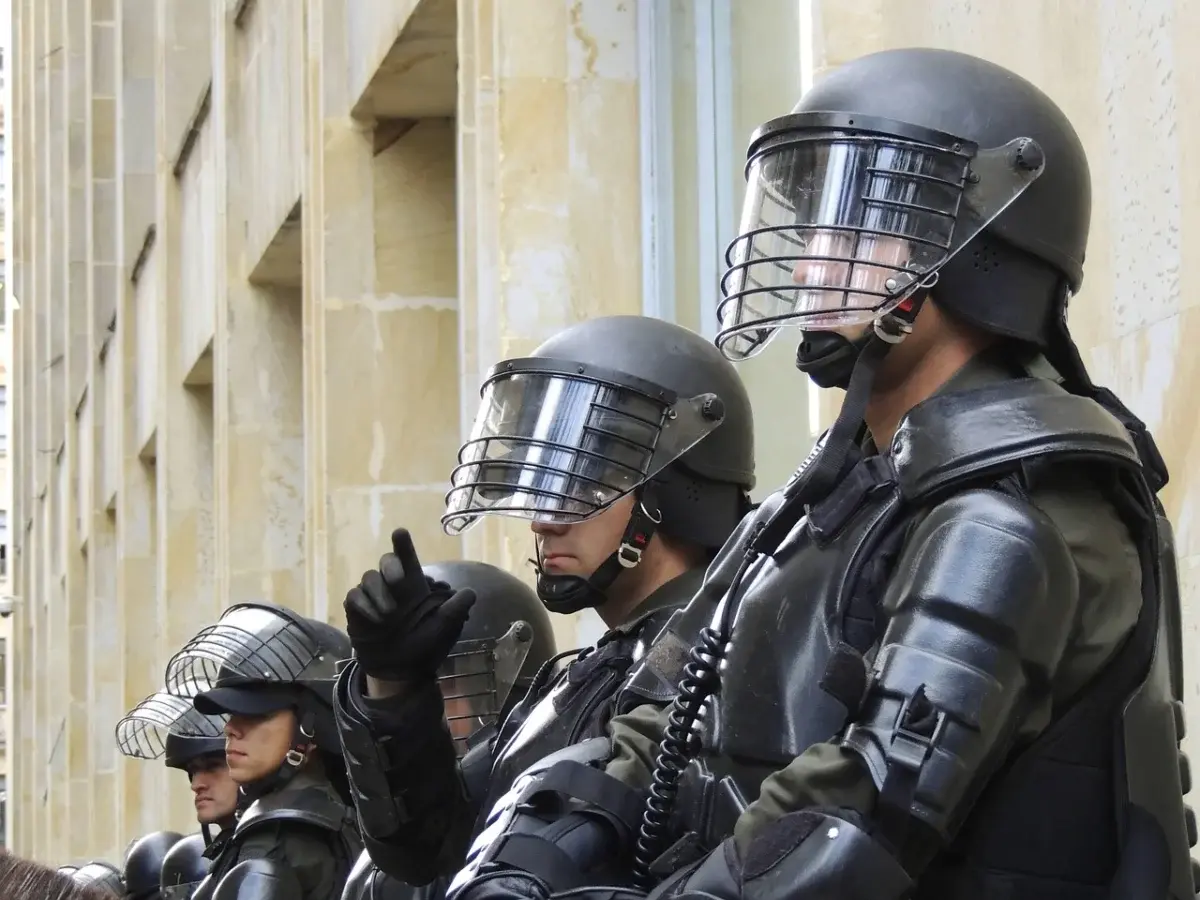
Anti-government protests in Tirana have turned into a blunt warning for Albania: when campus frustration, political anger, and distrust of authority collide, a demonstration can shift into civil unrest in a matter of hours. The latest Albania protests are not only about one prime minister’s future; they also reflect a deeper struggle over how power is exercised, how young people are heard, and whether institutions can absorb pressure without breaking.
Why the streets filled so quickly
The immediate trigger is important, but it is not the whole story. Reports from the capital point to two overlapping grievances: demands for Prime Minister Edi Rama to resign, and anger over university conditions that students say have been ignored for too long. In a country where the politics of Albania can feel highly personalized, the resignation slogan becomes more than a slogan. It is a way of saying that the system itself has lost credibility.
For students, the issue is often concrete: lecture halls, fees, housing, administrative opacity, and the daily experience of studying in underfunded institutions. The University of Tirana sits at the center of that argument, because universities tend to become the first place where frustration is organized into a student protest. Albania has seen this pattern before, including the 2018–19 Albanian student protests, when campus anger spread well beyond tuition and into the wider question of public fairness.
That is why the current unrest matters so much. A demonstration that begins with a narrow grievance can widen quickly if people believe the state has stopped listening. In that sense, the violence is not random; it is often a sign that a crowd feels it has exhausted ordinary channels.
Why the night turned violent
Once a protest becomes a test of momentum, the margin for error shrinks. Broken windows, damaged buildings, and fires do not emerge from nowhere; they are usually the result of a volatile mix of anger, symbolic targets, and a belief among some participants that disruption is the only language power understands. That is why images of smashed facades in Tirana carry so much political weight.
It is also where police tactics become decisive. Authorities around the world use crowd control tools to keep demonstrations from escalating, but these methods can have a double effect: they may disperse a crowd in the short term, yet they can also deepen the sense that the state is responding with force rather than persuasion. The use of tear gas and water cannons is intended to restore order, but it can also harden resentment if protesters see the response as disproportionate.
When student anger merges with broader anti-government frustration, a protest stops being only a march and becomes a stress test for state legitimacy.
That is why violent nights are so politically expensive. They do not merely create damage; they shape the story that follows. In the public imagination, the line between a protest and a riot can become very thin, and once that line blurs, every side starts arguing over who escalated first.
What the unrest means for Edi Rama
For Edi Rama, the political risk is not simply that critics are angry. It is that a public crisis can make a government look detached, even when its institutions are still functioning. In a parliamentary system, resignation demands are often symbolic before they are practical, but symbols matter. They tell voters whether a leader is seen as accountable or insulated.
The unrest also places Albania’s broader political climate under a harsher lens. When people talk about civil unrest and democratic backsliding, they are not always claiming that institutions have collapsed. More often, they are pointing to a steady erosion of trust, where every confrontation reinforces the belief that compromise is failing. That matters in a country whose path toward the European Union enlargement agenda depends not only on reforms, but also on the perception of stable, accountable governance.
In practical terms, the government faces a two-level challenge. First, it must restore calm. Second, and harder, it must show that calm is not being purchased with silence. If the public only sees police lines and smoke, the political cost grows. If it sees dialogue, credible review, and visible concessions, the temperature may fall.
University conditions are not a side issue
It is tempting to dismiss university grievances as a niche concern, but that would miss why they spread. Universities are not just places of study; they are engines of aspiration. When students feel trapped by poor conditions, they are often expressing a wider fear that merit alone will not be enough. That is why campus anger can become national anger so quickly.
The most important lesson from previous student mobilizations is that technical complaints can become political when they are tied to dignity. Fees, housing, access to services, and transparency may sound administrative, but in practice they ask whether the state sees young people as partners or as a burden. Once that question is asked in public, it can become much larger than a single campus or ministry.
That is where the current wave of student protest fits into the longer Albanian story. The issue is not only whether reforms happen. It is whether they happen in a way that convinces students the system can still respond before frustration turns into permanent mistrust.
What to watch next in Tirana
- Whether protest leaders keep the message centered on university reform or broaden it into a wider rejection of the government.
- Whether police keep relying on force-heavy crowd control tactics or shift toward de-escalation.
- Whether the government opens a real negotiation channel with students and civil society.
- Whether the damaged symbolism of one night turns into a lasting narrative about the state of Albanian democracy.
The most important insight is that these protests are not just a reaction to one evening in Tirana. They are a referendum on trust: trust in universities, trust in the police, trust in the government, and trust in the idea that protest can still lead to change. If that trust keeps eroding, each new round of unrest may arrive faster and burn hotter.
FAQ: Albania protests and the student anger behind them
Why are protesters demanding Edi Rama’s resignation?
Because resignation has become a shorthand for deeper frustration. It expresses anger not only at one leader, but at a political system many protesters believe has become distant, slow to respond, and too comfortable with power.
Are university conditions really enough to drive national protests?
Yes. When students feel that tuition, housing, administration, and access to opportunity are unfair, those complaints can quickly become a broader demand for dignity and accountability. Campus issues often work as a spark for wider public anger.
Why do police use tear gas and water cannon?
Authorities use them to disperse crowds and reduce the risk of further damage or injury. But these tactics are controversial because they can also intensify hostility and make protesters feel that force is being used instead of dialogue.
What should readers watch over the next few days?
Watch whether the protests remain focused on reform, whether the government responds with concessions or only security measures, and whether the public mood shifts from outrage to sustained organization. Those signals will show whether the unrest fades or becomes a larger political crisis.
Frequently Asked Questions
Why did the protests escalate so quickly from student complaints to wider unrest in Tirana?
Because the protests combined two powerful grievances at once: concrete university issues and broader anger at the government. When students feel ignored and political distrust is already high, a local campus protest can become a channel for wider frustration. That makes escalation faster, especially if participants believe normal institutions are no longer responding.
Why do resignation demands matter if they are often seen as symbolic in a parliamentary system?
They matter because they are a public test of legitimacy, not just a legal demand. Even if a resignation is unlikely, the slogan signals that protesters believe the leadership has lost moral authority. In a crisis, that symbolism can influence public opinion, media framing, and how vulnerable the government appears.
Why are universities such a frequent starting point for protests in Albania?
Universities concentrate young people who experience the same problems daily, making it easier to organize and sustain pressure. When students face fees, poor facilities, housing issues, and unclear administration, their grievances are both personal and collective. Campuses often become the first place where frustration turns into an organized political message.
Did the police response help restore order, or did it risk making things worse?
Both can be true. Tear gas and water cannons can disperse crowds quickly and prevent further damage, but they can also deepen anger if protesters see the response as excessive. In moments like this, the state is trying to control escalation, yet the optics of force may strengthen the protest's political message.
What makes this unrest politically important beyond the damage in Tirana?
The deeper issue is trust. Broken windows and fires matter, but the larger concern is whether citizens still believe institutions can hear pressure without cracking. If unrest keeps recurring, it can suggest democratic backsliding, where each confrontation makes compromise less believable and the political system looks increasingly detached from public concerns.