
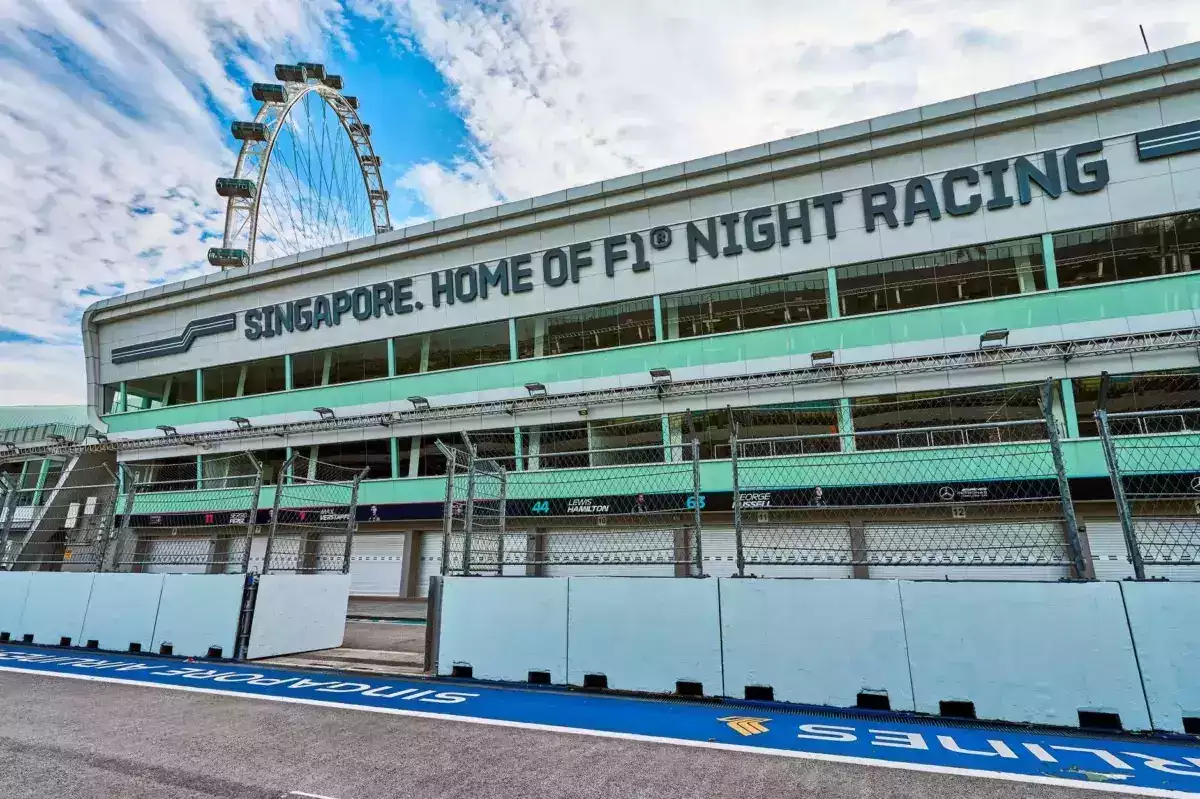
A Singapore Grand Prix travel package that bundles flights, a 4-star hotel and race tickets for under £1,650 deserves a careful reading, not an automatic purchase. The headline is attractive because the Formula One calendar rarely offers cheap city-centre weekends, and the Singapore Grand Prix is one of the sport’s most in-demand events. But the real question is not whether the price sounds low. It is whether the package gives you acceptable flights, a sensible hotel, and the right Marina Bay Street Circuit ticket without forcing hidden compromises.
This matters because Singapore is not a normal race destination. It is a dense, high-cost city built around a street race, a night racing format, and a short supply of prime rooms during event week. In other words, the package economy is doing real work here. The best deals are usually not about luxury; they are about locking in inventory before demand overwhelms it. For travellers comparing a package holiday against separate bookings, the difference is often certainty rather than raw savings.
Why the Singapore Grand Prix is priced differently
The Singapore race sits at the intersection of motorsport and destination travel. Unlike a stadium event, a Grand Prix spreads demand across hotels, flights, transfers, restaurants and ticket categories. The result is a broader price squeeze. Grand Prix weekends already command premium pricing, but a street circuit in a global business hub compounds the effect. Singapore’s Marina Bay district is not a low-cost events zone; it is a polished tourism and finance core where accommodation tightens fast.
The race is also structurally expensive because the city is one of Asia’s major stopovers and a major tourism destination, as reflected in tourism in Singapore. Hotels can raise rates sharply for one-week demand spikes, while airline capacity fluctuates depending on departure city, fare class and how much demand is chasing the same dates. The climate adds another layer: the climate of Singapore is hot and humid, which is part of the event’s identity but also part of the operational burden on teams, fans and hospitality operators.
The official Formula 1 site and Visit Singapore are the cleanest sources for race and destination basics. They do not tell you whether a specific package is good value, but they do show why demand is concentrated. Once the city fills with motorsport visitors, the market stops behaving like ordinary leisure travel. It behaves like scarcity pricing.
What the under-£1,650 package is really selling
When a last-minute offer includes flights, race access and a 4-star hotel, the headline is only the beginning. The important details are buried in the ticket type, the hotel postcode, and the flight schedule. A package can be technically complete while still being operationally awkward. For example, a late outbound, a red-eye return, or a hotel far from the circuit can make a headline bargain feel less efficient once the trip is underway.
| Package element | Why it matters | What to verify |
|---|---|---|
| Flights | Long-haul fare swings can erase the value of a deal | Departure airport, baggage allowance, layovers, and return timing |
| Hotel | A 4-star rating says little about location or transport friction | Distance to MRT links, Marina Bay access, and breakfast inclusion |
| Race tickets | Seat category determines viewing quality far more than package branding | Grandstand name, sightlines, and whether tickets are reserved or general admission |
| Transfers and extras | These can quietly add meaningful cost | Airport transfers, resort fees, taxes, and event-day transport |
That table is the real test. The package is attractive if it solves three scarce problems at once: long-haul transport, race-week accommodation, and guaranteed admission. It becomes less attractive if the hotel is merely convenient on paper and the ticket is the cheapest available tier. A travel deal that looks strong online can still be mediocre in practice if it maximises marketing appeal rather than user comfort.
A package is only a bargain if it buys certainty where the market is least forgiving: hotel inventory, ticket access and race-week logistics.
How to judge a Singapore Grand Prix travel package without getting caught by the headline price
The fastest way to evaluate a Singapore Grand Prix travel package is to compare it against the costs you would have faced separately at the same dates. That means not comparing against random off-season flight searches or a hotel stay in another district. Compare like with like: same week, same departure city, same ticket class, same hotel zone. Only then does the £1,650 number tell you anything useful.
Look for these signs of genuine value
- Reasonable flight times that do not destroy the first or last day of the trip.
- Central or well-connected accommodation rather than a vague 4-star label.
- Clear ticket category with named viewing area or seating.
- Transparent baggage and tax policy so the package total remains stable.
- Protective booking conditions, especially if you are buying from the UK and need ATOL or similar consumer protection where applicable.
There is also a strategic point that many buyers miss: a last-minute deal is not always a discount in the conventional sense. It can be an inventory rebalancing move. A travel agency or tour operator may be trying to move unsold seats, room blocks, or ticket allocations before the event window closes. That can work in the traveller’s favour, but only if the package has not been stripped of the parts that make Singapore easy to do.
Booking through a low-cost carrier can reduce the flight number on paper, yet it often shifts the burden to baggage, seat selection and timing. Likewise, a package that seems efficient because it comes from one seller can still be inferior if the hotel is far from the circuit and the ticket leaves you with weak sightlines. Value in this market is not a single number. It is the sum of transport quality, location quality and viewing quality.
The hidden costs that can turn a bargain into an average trip
The most common mistake is focusing on the package price and ignoring the secondary spend. That is especially risky in Singapore, where the city can be expensive even by major-race standards. Food, airport transfers, local transport and optional seat upgrades all matter. A fan who books the cheapest package but then spends heavily on taxis and convenience meals may end up paying more than a traveller who chose a slightly higher headline price with better positioning.
- Baggage fees: long-haul flights can make checked luggage essential, not optional.
- Transfer friction: a hotel that looks central may still require multiple connections at peak time.
- Ticket weak points: some seats sound close to the action but have limited overtaking views.
- Weather resilience: Singapore’s heat and humidity mean shade, water access and clothing matter.
- Schedule flexibility: race-week changes can make rigid return times costly.
The city itself helps and hinders at the same time. Singapore Changi Airport is one of the world’s best-connected hubs, which is useful for incoming fans, but it also means a package provider can justify premium transport pricing more easily. And because the trip is short, every small inefficiency is magnified. A bad transfer or awkward hotel location consumes a large share of the break.
For many travellers, the right question is not ‘Is this cheap?’ but ‘What am I giving up to get this price?’ If the answer is ‘not much’, the package may be a sensible buy. If the answer is ‘time, comfort and sightlines’, the deal is weaker than it appears.
What separates a smart buyer from a late buyer
Late buyers are not always reckless; they are often responding to scarcity. But a smart late buyer reads the market differently. They know that race travel is a form of event logistics, not just tourism. They ask whether the package operator has genuinely aggregated value or merely bundled leftovers into a sleek headline.
Practical buying checklist
- Check the exact ticket category and the viewing angle for your chosen grandstand.
- Confirm whether airport transfers are included or merely recommended.
- Look up the hotel’s real location, not just its brand rating.
- Verify baggage rules and whether the fare includes seat selection.
- Review cancellation and change terms before paying a deposit.
- Compare the package against separate bookings for the same dates, not generic prices.
- Confirm whether the trip is protected by a recognised consumer scheme if you are booking in the UK.
A reliable package should reduce decision fatigue. If it still requires you to make ten follow-up decisions after purchase, the bundle is not doing enough work. A genuine value proposition removes friction. It does not simply rebrand it.
FAQ: Singapore Grand Prix travel packages and last-minute deals
What is usually included in a Singapore Grand Prix travel package?
Most packages combine flights, hotel accommodation and race tickets. Better ones also clarify baggage allowance, transfer options and the exact ticket category. The weakest packages hide those details until late in the booking flow.
Is a last-minute Singapore Grand Prix deal actually cheaper?
Sometimes, but not always. Last-minute pricing can improve when operators need to sell remaining inventory. It can also stay high if the event is already close to sold out. The key is whether the package beats the cost of buying the same flights, hotel and ticket separately for the same dates.
Which ticket type offers the best value?
There is no universal answer. The best value is the seat with the strongest view for the lowest total cost. For many buyers, that means prioritising a well-chosen grandstand over a slightly nicer hotel. A premium room is useful; a weak ticket is not.
What should UK travellers check before booking?
They should check consumer protection, the full final price, baggage rules, and any change or cancellation restrictions. If the package is not fully protected, the apparent saving can disappear quickly if your plans change or if flight times shift.
The real question for this year is not price, but timing
The deeper lesson from this deal is that the Singapore Grand Prix has become a premium travel product, not just a race ticket. That trend is unlikely to reverse soon. As long as package holiday buyers continue treating race weekends as short, high-value escapes, operators will keep bundling flights and hotels into tightly priced offers. The pressure point is not whether packages exist; it is whether they remain transparent enough to trust.
Watch the next round of sales with one question in mind: does the package preserve the parts of Singapore that make the trip worthwhile, or does it simply transport you to a crowded, expensive weekend with fewer choices left than you expected? That distinction will decide whether this under-£1,650 offer is a sensible motorsport getaway or just a polished response to scarcity. The market for F1 travel is moving toward faster sell-outs, more dynamic pricing and less room for casual comparison. The next buyer advantage will belong to people who read the small print before the headline becomes normal.
SEO DATA
Primary Focus Keyphrase: Singapore Grand Prix travel package
Related Keyphrase 2: Singapore Grand Prix ticket and hotel package
Related Keyphrase 3: last-minute Singapore Grand Prix holiday under £1,650
Related Keyphrase 4: is a Singapore Grand Prix travel deal worth it
Related Keyphrase 5: Formula 1 Singapore race break
Primary Keyphrase Synonyms:
Singapore GP package, F1 travel package, race holiday package, Grand Prix getaway, motorsport travel deal
SEO Title:
Singapore Grand Prix Travel Package: Is the Under-£1,650 Deal Worth It?
Meta Description:
Analyse the Singapore Grand Prix travel package under £1,650, what it includes, hidden costs, and whether it is real value for F1 fans.
URL Slug:
singapore-grand-prix-travel-package
Image Filename:
singapore-grand-prix-travel-package.jpg
Image ALT Text:
Formula 1 cars racing at the Singapore Grand Prix under city lights
Image Title:
Singapore Grand Prix night race travel package
Image Caption:
A Singapore Grand Prix package combines flights, race access, and a central hotel, but late booking still carries trade-offs.
Search Intent:
Mixed intent
Frequently Asked Questions
Why can a package under £1,650 still be weak value for the Singapore Grand Prix?
Because the headline price can hide compromises in the parts that matter most: flight timings, hotel location, and ticket category. A package may be cheap only because it uses awkward connections, a hotel far from the circuit, or the lowest-tier race access. The deal is good value only if it removes expensive scarcity without creating major practical hassles.
Does a 4-star hotel automatically mean a convenient stay for race weekend?
No. In Singapore, hotel rating matters less than location and transport access. A 4-star hotel can still be a poor choice if it is far from Marina Bay or not well connected to the MRT. For Grand Prix week, a central or well-linked hotel often saves more time and stress than a slightly better room standard.
How important is the exact race ticket type in a package?
Very important. Ticket category affects sightlines, comfort, and whether you can actually enjoy the race rather than just attend it. A package with a cheap grandstand or general admission ticket may look attractive, but it can deliver a much worse experience than a slightly pricier seat with a clearer view and better access.
Could separate bookings ever be better than a bundled package?
Yes, especially if you are flexible and know the market well. Separate bookings can beat a package if you find a good fare or already have hotel loyalty perks. But for Singapore Grand Prix week, packages often win on certainty because they secure scarce flights, rooms, and tickets before prices rise or inventory disappears.
What hidden costs should I check before booking this kind of deal?
Look closely at baggage fees, airport transfers, hotel taxes, breakfast, and event-day transport. Long-haul flights can become expensive if luggage is not included, and a cheap hotel may add charges on arrival. In Singapore, even small extras can add up quickly, so the real total may be higher than the headline price suggests.