
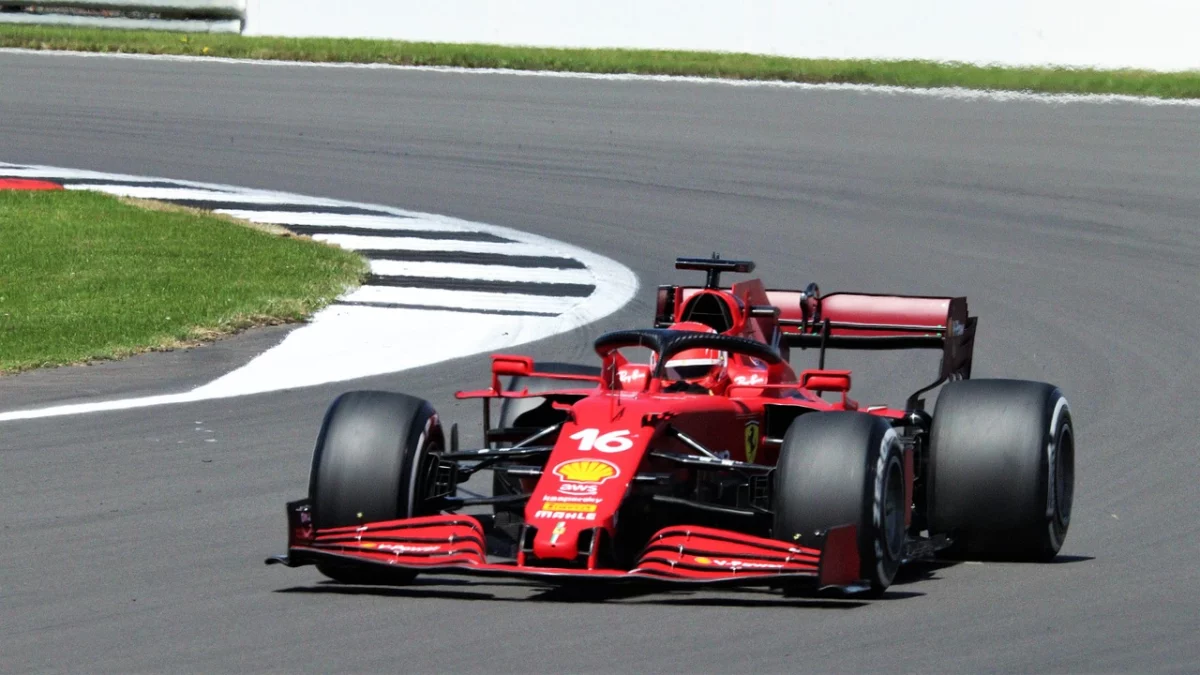
The Formula 1 Madrid Grand Prix is more than a new date on the calendar. It signals how Formula One is balancing its European roots with a global, city-first future. Madrid offers a rare mix: a huge fan base in Spain, a capital city with international reach, and IFEMA Madrid, an event complex on the city’s northeastern edge that gives planners room to think bigger than a traditional street layout. In a place better known for football in Spain, the race is trying to become a citywide spectacle rather than just a motorsport weekend.
Why Madrid, and why now?
F1 has spent years turning race weekends into destination events, and Madrid fits that strategy neatly. As the capital of the Community of Madrid, the city already knows how to host large-scale public life: exhibitions, conventions, tourism, and major sports. The pitch is simple. Madrid is a recognizable brand, well connected, and able to deliver the kind of visual backdrop that modern broadcast sports crave.
The local appeal also matters. The proposed project is tied to the city’s growth areas, including Valdebebas, where new development and transport planning can support a race footprint without squeezing into the narrowest historic streets. That matters because the best urban races are not just about glamour; they are about logistics. When Formula 1 can combine urban energy with a purpose-built event zone, the product becomes easier to sell to fans, sponsors, and broadcasters.
In modern Formula 1, the venue is part of the product: the city, the skyline, the transport links, and the TV picture matter almost as much as the lap time.
That is why Madrid makes sense in a way that goes beyond national pride. The sport is not simply adding another race in Grand Prix form; it is testing whether a major capital can deliver the full event ecosystem that F1 now sells.
The circuit question: spectacle or overtaking?
The hardest part of any new race is not the announcement. It is the layout. A street circuit needs more than pretty backdrops. It must satisfy the FIA, balance safety and speed, and still give drivers places to overtake. If the track is too tight, the racing becomes a procession. If it is too open, it loses the tension that makes city racing memorable.
That is why people immediately compare Madrid with established urban races such as the Monaco Grand Prix, the Singapore Grand Prix, and the Las Vegas Grand Prix. Each delivers a different version of the same promise: city drama, global television, and a premium atmosphere. Madrid will also be judged against more traditional Spanish motorsport venues, especially the Circuit de Barcelona-Catalunya, which has long defined the country’s Formula 1 identity.
Why the layout matters
If Madrid leans too heavily on expo-center roads and temporary barriers, fans may get a striking visual show but a weaker race. If the promoters can create long enough braking zones, sensible run-off, and a few real passing opportunities, the event could become a durable part of the calendar. That balance is the central challenge for every modern Formula One promoter, and the reason the final circuit plan matters as much as the headline announcement.
A race with two Spanish superstars
The Spanish market already has something many hosts would envy: stars. Fernando Alonso and Carlos Sainz Jr. have given Spanish fans a direct emotional stake in the sport, and that helps explain why the idea of a Madrid race no longer sounds fanciful. Once, it may have felt like a joke or a fantasy. Now it looks like a logical extension of a market that already follows motorsport with real intensity.
But the presence of star drivers does not guarantee success. A city race has to work as an event, not only as a national homecoming. That is where Madrid’s football culture becomes important. In a city dominated by weekly football narratives, F1 cannot rely on novelty alone. It has to earn attention through design, spectacle, and a weekend experience that feels distinct from every other major sporting event.
The football challenge
Madrid’s sporting identity is powerful, but that is not a weakness. It is a test. If a Formula 1 race can cut through a football-saturated media landscape, it has achieved something valuable: it has become culturally unavoidable. That is a stronger position than being merely tolerated by a host city.
Money, politics, and the urban-event model
From a commercial perspective, Madrid fits the same logic that has pushed Formula 1 toward a more city-centric future. Broadcasters get a recognisable skyline. Sponsors get hospitality. Promoters get tourism and a premium image. Fans get easier access than they might at a remote circuit. For the sport, this is part of a broader shift that can be seen across the calendar, and which the official sites of Formula1.com and the FIA continue to shape through technical and sporting rules.
There are real downsides, though. Urban events can trigger complaints about traffic, noise, and public spending. They can also create political pressure if the promised economic uplift is not obvious to residents. That is why the best new races are increasingly judged on more than glamour. They must show clear transport planning, credible community value, and a circuit concept that can survive scrutiny once the excitement of the announcement fades.
For publishers and marketers covering the race, the lesson is similar. Coverage should not stop at the headline. Internal links to city guides, travel planning, event calendars, and local hospitality pages can help turn a news story into a useful content cluster that serves readers before, during, and after race week.
Frequently asked questions about the Formula 1 Madrid Grand Prix
Is Madrid replacing Barcelona as Spain’s F1 home?
Not necessarily. The most realistic reading is that Madrid is adding a new layer to Spain’s F1 story rather than instantly erasing Barcelona. Calendar decisions depend on contracts, FIA approval, commercial value, and how the final circuit performs.
Will the race be a street circuit?
That is the expectation, but the exact format matters. A successful Madrid event will likely combine temporary street sections with the infrastructure advantages of the IFEMA area, giving organizers more room than a classic downtown street race.
Why does Formula 1 like big cities so much?
Because cities sell the event. Big urban markets offer stronger sponsorship value, better broadcast images, easier international travel, and a built-in story that can reach beyond core racing fans. In the current Formula One era, the city is part of the entertainment.
What Madrid will test next
The real question is not whether Madrid looks impressive on a render. It is whether the project can produce a race that feels natural in the city, works for the FIA, and gives fans a better on-track product than a simple marketing exercise. If it succeeds, expect more races to be designed around exhibition centers, transport hubs, and urban districts that can host a global audience without trying to imitate old-school circuits.
The strongest insight is this: Madrid is not being asked to become another Formula 1 city. It is being asked to show what the next Formula 1 city looks like. That makes the race less a nostalgia story about Europe coming home, and more a preview of where the sport believes modern motorsport is heading next.
SEO DATA:
Primary Focus Keyphrase: Formula 1 Madrid Grand Prix
Related Keyphrase 2: Spanish Grand Prix in Madrid
Related Keyphrase 3: IFEMA Madrid street circuit
Related Keyphrase 4: Why is Formula 1 coming to Madrid?
Related Keyphrase 5: Formula 1 in Spain
Primary Keyphrase Synonyms:
Madrid Formula 1 race, F1 race in Madrid, Madrid Grand Prix, Formula One Madrid event, Madrid F1 race
SEO Title:
Formula 1 Madrid Grand Prix: Why the Sport Fits a Football-Crazy Capital
Meta Description:
Formula 1 Madrid Grand Prix explained: why F1 chose Spain’s capital, how the IFEMA street circuit could work, and what to watch next.
URL Slug:
formula-1-madrid-grand-prix
Image Filename:
formula-1-madrid-grand-prix-ifema.jpg
Image ALT Text:
Formula 1 car racing past IFEMA Madrid during a planned street circuit event.
Image Title:
Formula 1 Madrid Grand Prix at IFEMA
Image Caption:
A photorealistic view of how Madrid’s planned Formula 1 race could blend city branding with exhibition-center infrastructure.
Search Intent:
Mixed informational and commercial investigation
Frequently Asked Questions
Why does Madrid make sense for Formula 1 if it is already a football-dominated city?
Because Madrid is used to hosting big public events and has a strong international profile beyond football. F1 can tap into a city that already understands spectacle, tourism, and broadcast appeal. In a football-crazy capital, the challenge is not finding attention but creating an event distinctive enough to stand out from the weekly sporting rhythm.
What makes IFEMA and the Valdebebas area better for F1 than a traditional street circuit in central Madrid?
IFEMA and nearby growth zones offer more space, better planning flexibility, and less disruption than tight historic streets. That matters for safety, logistics, transport, and circuit design. A larger footprint also gives organizers a better chance to create a track that balances spectacle with actual racing opportunities, rather than just a scenic parade.
Will the Madrid Grand Prix be exciting to watch, or could it become another procession?
That depends almost entirely on the final layout. A new city race needs braking zones, room for overtaking, and enough variation to reward drivers rather than trap them in a train. If the circuit is designed too narrowly, the event may look impressive on TV but produce limited racing. The layout is the key test.
How does Madrid compare with other city races like Monaco, Singapore, or Las Vegas?
Madrid would be judged against the same standard: city atmosphere plus a strong racing product. Monaco offers prestige, Singapore delivers night-race drama, and Las Vegas leans on spectacle. Madrid’s challenge is to combine a major capital backdrop with a layout that feels modern and workable, not simply decorative or overly temporary.
Do Fernando Alonso and Carlos Sainz Jr. really make a difference for a new Spanish race?
Yes, but only partly. Big-name drivers help create emotional demand and national relevance, which makes the idea easier to sell to fans and sponsors. Still, driver popularity cannot rescue a weak event. The race must function as a full weekend experience, especially in a city where football usually dominates public attention.