
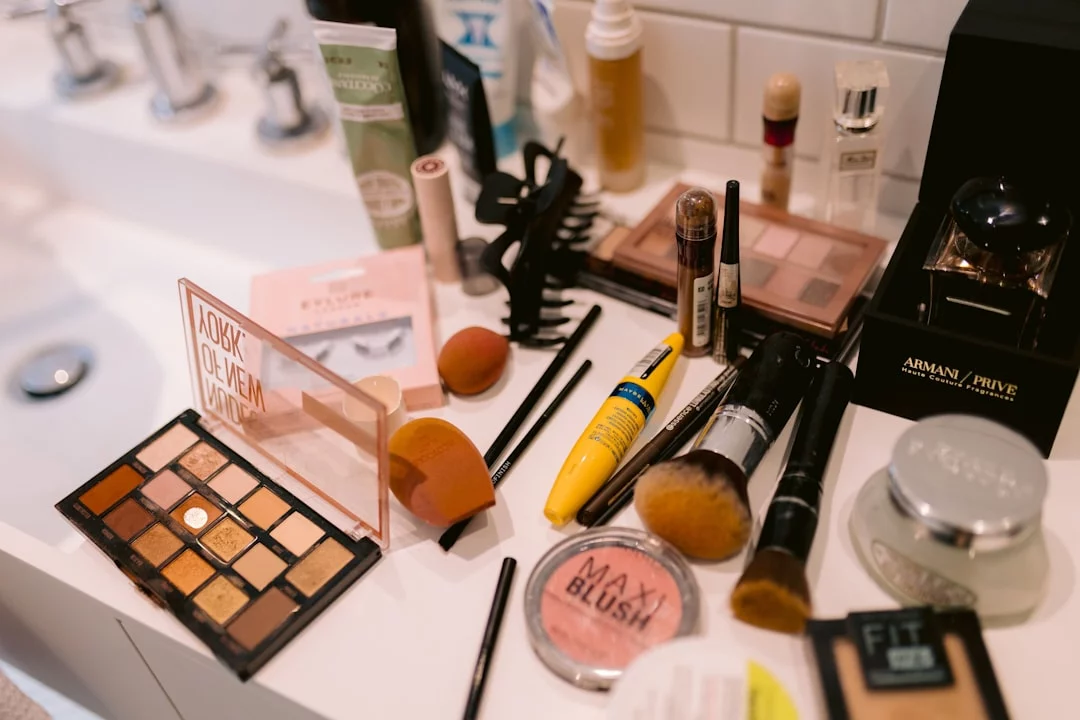
High street beauty products are judged harshly because their price invites contempt. That is a mistake. A low price does not automatically mean low performance, especially in cosmetics and make-up, where texture, pigment, wear, and finish often matter more than prestige. The best budget products are not good for the money; they are simply good.
The current debate matters because shoppers want more from every purchase: visible payoff, reliable wear, and no wasted spend. That is why a £6 blush can become notable. It also explains why the category deserves criticism rather than hype. Some inexpensive formulas are genuinely excellent, while others are cheap only because the pigment is thin, the shade range is poor, or the packaging fails after a few uses. The useful question is not whether a product is expensive; it is whether the formula earns its place in a routine.
Why price and performance diverge
Beauty pricing is shaped by more than ingredients. In blush, lipstick, or mascara, shoppers often pay for packaging, marketing, distribution, retailer margin, and brand positioning as much as for the formula itself. This is especially true in mass-market beauty, where economies of scale can push unit costs down while keeping the retail price attractive. The result is not automatically inferior quality. It is a different allocation of cost.
Luxury brands are not fake, and their products are not automatically overpriced. But premium pricing often buys a more polished sensorial experience: heavier packaging, finer embossing, a softer fragrance profile, or a more elaborate campaign built around brand management. None of that guarantees better performance on the face. It simply means the consumer is buying more than the formula.
The price tag is a signal of positioning, not a proof of performance.
That distinction is why editors, not advertisers, are useful. A trained tester can separate the feel of a product from the story around it. In the high street beauty aisle, that separation is essential.
Why a £6 blush can be the right kind of product
The example of a low-cost blush is revealing because blush is one of the most forgiving categories in make-up. A good powder or cream blush does not need complex technology to work. It needs the right balance of pigment, binding agents, slip, and blendability. If those pieces are in place, the product can look expensive even when it is not.
That is why a buildable blush can outperform a luxury alternative. A strong formula delivers controlled colour, wears evenly, and does not cling to dry patches. It may also be easier to use because it is less intimidatingly pigmented. For most shoppers, especially those who want a natural finish, that is a real advantage, not a compromise.
The same logic applies to foundation and concealer, although the stakes are higher. Base products have to match skin tone, sit well on texture, and avoid oxidising into the wrong shade. A bargain formula can absolutely succeed, but only if the shade range and undertone work for the person buying it. Price is secondary to accuracy.
Where budget formulas are strongest
Not every category behaves the same way. Some products are structurally easier to execute at a lower price because the formulas are relatively simple. Others are more sensitive to pigment quality, film formers, or active ingredients. The most useful budget buys tend to cluster in the categories below.
| Category | Why budget versions often work | Main risk |
|---|---|---|
| Blush and powder products | Pressed powders and standard pigments are easier to formulate well at a low price. | Patchiness, fallout, or a chalky finish. |
| Mascara | The core job is straightforward: colour, separation, and wear. | Clumping, flaking, or poor removal. |
| Lipstick and lip gloss | Wax, pigment, and emollient systems can be highly effective without luxury packaging. | Transfer, dryness, or weak colour payoff. |
| Eyeshadow and eyeliner | Good colour cosmetics can be mass-produced with solid performance if the texture is stable. | Kickback, fading, or poor adherence. |
| Primer and setting products | These are often about finish and feel more than complexity. | Silicone overload, pilling, or mismatch with base makeup. |
By contrast, skin care and moisturizer sit closer to the line where cost can matter more. Actives have to stay stable, deliver well, and justify their claims. That does not mean affordable skin care is poor. It means the buyer should be more careful about evidence, packaging, and formulation details.
What beauty editors actually test
The strongest beauty recommendations are not based on first impressions alone. A serious editor looks for repeatability: does the product still work after a week, not just after a perfect first swatch? That standard matters because many products look impressive in a single photograph and then fail in ordinary use.
- Pigment load: Does the colour show up without needing excessive layering?
- Blendability: Does the formula diffuse cleanly, or does it drag and patch?
- Wear time: Does the product survive heat, humidity, or long workdays?
- Oxidation: Does it change shade after ten minutes or an hour?
- Transfer and fallout: Does it stay put on skin and clothing?
- Packaging function: Does the cap seal properly, does the wand work, and can the product be used neatly?
These checks are practical, not glamorous. They are also the reason high street products can beat prestige ones. Many shoppers do not need a formula that performs like an art object. They need something that works quickly, consistently, and without fuss.
The categories where price matters least
Powder formulas are a classic example. If the texture is finely milled and the pigment is coherent, the result can be excellent regardless of price. The same is true for straightforward setting spray products, which are often judged by finish and spray mechanism more than by rare ingredients. In these areas, a budget formula may be the smarter buy simply because the performance ceiling is high and the complexity is low.
That does not mean all cheap powders are equal. It means the category rewards efficiency. A cleaner ingredient list, stable formula, and functional applicator can beat decorative luxury every time.
The categories where price matters more
With base products, the margin for error shrinks. A foundation or concealer must handle skin tone, undertone, texture, and light reflection all at once. If the formula is too matte, it can emphasise dryness. If it is too emollient, it can separate. If the shade range is narrow, the low price becomes irrelevant because the product simply does not fit enough faces.
This is why a budget product can be excellent in one category and merely average in another. A beauty buyer should not generalise from a good blush to a good foundation. The formula logic is different.
When cheap is false economy
There is a point where savings stop being smart. In skin care, the issue is often less about price and more about claims. A low-cost product may be effective, but the buyer should ask what the product is actually promising and whether the formulation supports that promise. For regulatory context, the U.S. Food and Drug Administration’s cosmetics guidance and the European Commission’s cosmetics sector overview are better starting points than marketing copy.
There are also hygiene and safety limits. Mascara, for example, is a product where the lifetime of the tube matters. If a formula dries out quickly, clumps, or irritates the eye area, a slightly pricier but better-performing option can be the better value. That is not a luxury argument; it is a usability argument.
The same principle applies to sensitive skin. A cheap product that causes irritation is not a bargain. It is waste. Price should never outrank comfort, compatibility, or evidence. Beauty buys are only economical when they are used repeatedly.
From a publishing perspective, this is where internal linking earns its keep. A beauty site should connect this article to its guides on choosing the right foundation shade, the best mascara for different lash types, ingredient glossaries, and any mature-skin blush advice. Readers do not shop in categories; they shop by problem.
How to buy budget beauty without guessing
There is a disciplined way to shop this market. It is less exciting than impulse, but far more effective.
- Start with the category. Buy cheap first in categories where execution is simple: blush, lipstick, powder, and mascara.
- Check the finish in daylight. Store lighting flatters almost everything. Natural light reveals patchiness, chalkiness, and oxidation.
- Read the texture, not just the claim. Words like hydrating, luminous, or buildable are not proof. They are a hint.
- Test the wear. A product that looks good for ten minutes but fails by lunchtime is not good enough.
- Buy one hero item first. If a brand gets blush right, it does not automatically get foundation right.
The consumer habit to break is the assumption that a low price requires a lower standard. A better rule is this: judge a product by how many problems it solves, not by how much it cost.
FAQs about high street beauty products
Are cheap beauty products worth it?
Often, yes. In categories like blush, lipstick, powder, and mascara, a budget formula can match or exceed pricier options if the pigment, texture, and wear are strong. The question is not the price; it is the performance.
Which budget beauty products are safest to buy first?
Start with products that have simpler jobs: blush, lip colour, powder, and some eye products. These categories are easier to formulate well, so the odds of finding a strong affordable option are higher.
How do I know if a product is genuinely good?
Look for consistent colour payoff, even blending, reasonable wear, and packaging that works every time. A good product should improve your routine, not just look impressive in the store.
Is expensive skincare always better than affordable skincare?
No. But skin care is the category where shoppers should be most critical. Ingredients, stability, and credible claims matter more than prestige. Cheap can be excellent, but it should be examined more carefully than a simple colour cosmetic.
What the next high street buy should prove
The strongest insight is that price is one of the least reliable signals in beauty. It can tell you about marketing, packaging, and positioning. It cannot tell you whether a blush will blend, whether a mascara will flake, or whether a lipstick will feel comfortable after three hours. That is why the smartest shoppers treat high street beauty products as contenders, not compromises.
What to watch next is the narrowing gap between budget and prestige in colour cosmetics. Better pigments, more functional packaging, and sharper shade development are making the lower end of the market more competitive. At the same time, consumers are becoming less patient with claims that are pure branding. The winners will be the products that perform so well they do not need an excuse.
The unanswered question is whether the market will reward genuine improvement or just faster duplication. If the next standout product is a £6 blush that works as well as a luxury one, the lesson is not that cheap always wins. The lesson is that performance has become easier to buy, and prestige now has to work harder to justify itself.
SEO DATA
Primary Focus Keyphrase: high street beauty products
Related Keyphrase 2: affordable makeup products
Related Keyphrase 3: best budget beauty products for everyday wear
Related Keyphrase 4: are cheap beauty products worth it
Related Keyphrase 5: drugstore makeup products
Primary Keyphrase Synonyms:
budget beauty products, affordable makeup, value beauty buys, drugstore cosmetics, low-cost cosmetics
SEO Title:
Why High Street Beauty Products Often Outperform Their Price Tags
Meta Description:
High street beauty products can outperform luxury buys. Learn what makes budget makeup work, where to spend, and which formulas to skip.
URL Slug:
high-street-beauty-products
Image Filename:
high-street-beauty-products-budget-makeup-flatlay.jpg
Image ALT Text:
Flat lay of budget beauty products on a vanity with blush, mascara, lipstick and concealer
Image Title:
High street beauty products flat lay
Image Caption:
A well-edited budget makeup collection can deliver polished results without the luxury price tag.
Search Intent:
Mixed intent
Frequently Asked Questions
How can a cheap beauty product be well-made if so much of the price seems to disappear into packaging and marketing?
Because the retail price of beauty products often includes packaging, branding, retail margins, and advertising, not just the formula. In mass-market beauty, economies of scale can also lower production costs. That means a low price can still leave room for a solid formula, especially in categories where the ingredient and texture systems are relatively simple.
Which high street beauty categories are most likely to outperform their price tags?
Blush, powder products, mascara, lipstick, lip gloss, eyeshadow, and eyeliner are often strong value categories. They tend to rely on formulas that can be executed well without expensive active ingredients or complex skincare-style technology. The main trade-off is usually not performance itself, but consistency in shade, texture, or wear.
Does a luxury price ever indicate better performance, or just better presentation?
Sometimes it indicates a more refined user experience rather than better results on the face. Luxury products may feel more polished, with heavier packaging, smoother fragrance, or more elegant branding. But those features do not guarantee superior wear, pigment, blendability, or finish. Price is often a signal of positioning, not proof of performance.
Why do some budget products fail even when the formula sounds simple?
Even simple formulas can go wrong if the pigment is weak, the balance of binders and emollients is off, or the packaging is poor. Inexpensive products may also cut corners on shade range or stability. So while a low price does not automatically mean low quality, it does make careful formulation more important.
What should shoppers judge first when deciding whether a low-cost makeup product is worth buying?
The most useful checks are texture, payoff, wear, and how the product behaves on your skin type or undertone. For base products, accuracy matters more than hype; for colour products, blendability and buildability matter more than prestige. If a product applies evenly, wears well, and fits your routine, it earns its place regardless of price.
Can a budget foundation or concealer really compete with expensive ones?
Yes, but the margin for success is narrower. Base products have to match skin tone, avoid oxidising, and sit well on texture, so shade range and undertone accuracy matter a lot. A budget formula can absolutely compete if those basics are right, but a low price alone is not enough to make it good.