
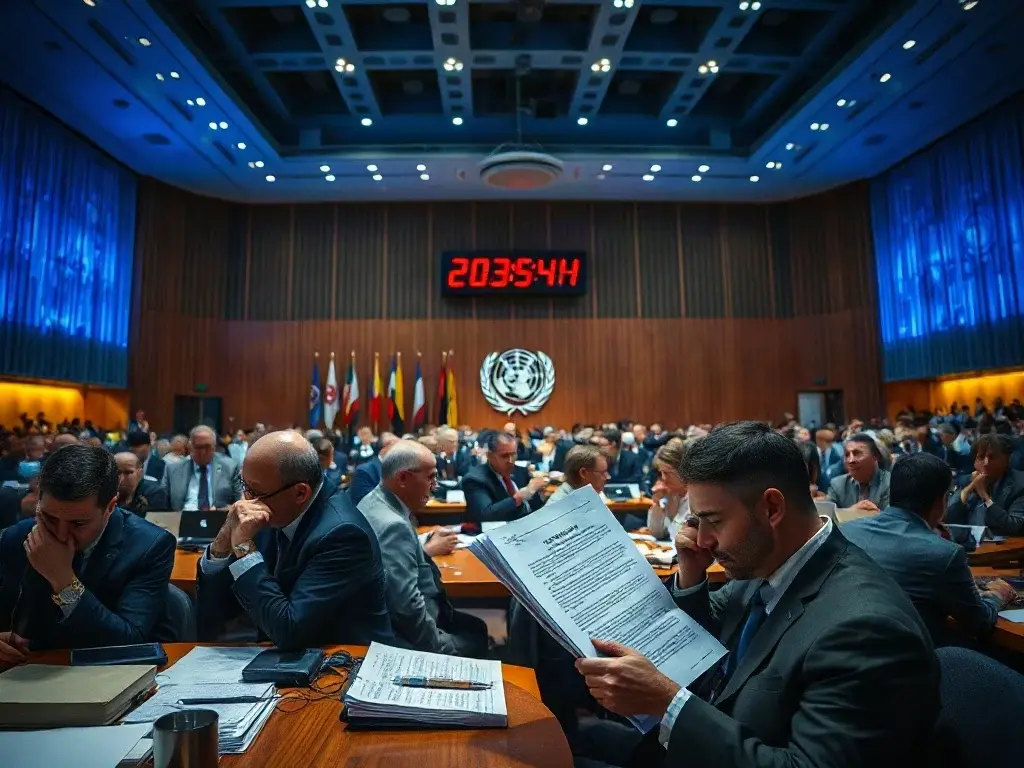
The no deal at COP31 outcome is a serious test for global climate diplomacy. According to reporting, the summit became the longest-running in its history, and negotiations broke down two days after they were due to end. This article explains what a failed outcome means procedurally, who is affected, and which paths forward are realistic. Where details of the final text are not confirmed, it says so rather than speculating.
What No Deal at COP31 Actually Means
COP31 is the latest session of the United Nations Climate Change Conference, the annual meeting of parties to the UN Framework Convention on Climate Change. It was set to be hosted in Antalya, with Australia leading the negotiations under an arrangement agreed at the previous summit.
A breakdown does not cancel existing commitments. The Paris Agreement remains in force, and countries are still bound by its reporting and review cycles. What fails is the collective decision text for that year: the political signals, finance pledges and work programmes that normally come out of the final plenary.
Why Climate Talks Overrun and Sometimes Collapse
The consensus rule
UNFCCC decisions are generally made by consensus, so one determined bloc can stall a package. Overruns are common. The summits in Madrid in 2019 and Baku in 2024 both ran past their deadlines. A talks collapse after an extended overrun is rarer and suggests deep disagreement rather than a scheduling problem.
The usual fault lines
The sticking points at these summits tend to be similar:
- Fossil fuel language: how explicitly to commit to moving away from fossil fuels, and on what timeline.
- Climate finance: the scale, source and delivery of climate finance for developing countries.
- Ambition: whether updated nationally determined contributions are enough to close the gap to the 1.5°C goal.
- Adaptation and loss and damage: who pays for impacts already unfolding.
The news report does not detail which of these caused the breakdown. Readers should wait for official statements and the negotiating texts on the UNFCCC website before drawing conclusions.
What Is Next After COP31: Realistic Pathways
Several procedural routes are available, and they are not mutually exclusive:
- Resumed or extra sessions: the presidency can reconvene delegates, though this is logistically and politically costly.
- Intersessional talks: technical work can continue at the mid-year Bonn climate meetings, where subsidiary bodies prepare texts.
- Carry-over to the next COP: unresolved items roll into the following summit, which raises the pressure there.
- Coalitions outside the consensus rule: groups of willing countries can announce voluntary pledges on methane, coal, finance or carbon markets.
The fourth route matters most in practice. Plurilateral deals cannot replace a universal decision, but they can keep momentum alive.
Who Bears the Cost of a Failed Outcome
Vulnerable countries lose the most. Without agreed finance and adaptation language, planning for flood defences, heat resilience and water security stays uncertain. Climate science is clear about the stakes: the Intergovernmental Panel on Climate Change has repeatedly found that deep cuts in greenhouse gas emissions are needed this decade to limit global warming.
Markets also read these outcomes. Investors in renewables, grid infrastructure and carbon markets rely on stable policy signals, and a failed summit increases perceived policy risk. National policy and domestic law still drive most emissions outcomes, so the effect is gradual rather than immediate.
Practical Steps for Policymakers, Businesses and Analysts
- Track domestic policy, not only summit text. National targets, subsidies and permitting rules set the real trajectory.
- Watch the next NDC submissions and implementation plans for evidence of ambition independent of COP outcomes.
- Stress-test scenarios that assume slower multilateral progress, especially for finance-dependent projects in developing markets.
- Follow coalition announcements, which often signal where real policy movement is happening.
FAQ: No Deal at COP31
Does no deal at COP31 mean the Paris Agreement has failed?
No. The treaty remains in force. What failed is the agreement on that year’s decisions, not the underlying framework.
Why do climate summits run past their deadline?
Decisions require consensus among nearly 200 parties, so last-minute bargaining over a single clause can delay the final plenary.
When will the talks resume?
That depends on the presidency and the parties. Unresolved issues could return at the Bonn intersessional meetings or at the next COP, but official announcements should be checked directly.
The Real Test Is Not the Deadline
The most important lesson of a record-breaking collapse is that the consensus model is under strain, not that diplomacy is finished. Earlier summits, such as the Kyoto Protocol negotiations, also stumbled before producing durable frameworks. The question is whether this failure pushes parties to compromise or accelerates a shift toward smaller coalitions that move faster than the full UN process.
Watch three signals over the coming months: whether the presidency calls resumed talks, whether the next round of national climate pledges strengthens, and whether finance-focused coalitions fill the gap. If the first stalls and the other two advance, the centre of gravity in climate policy may quietly leave the plenary hall for good.