
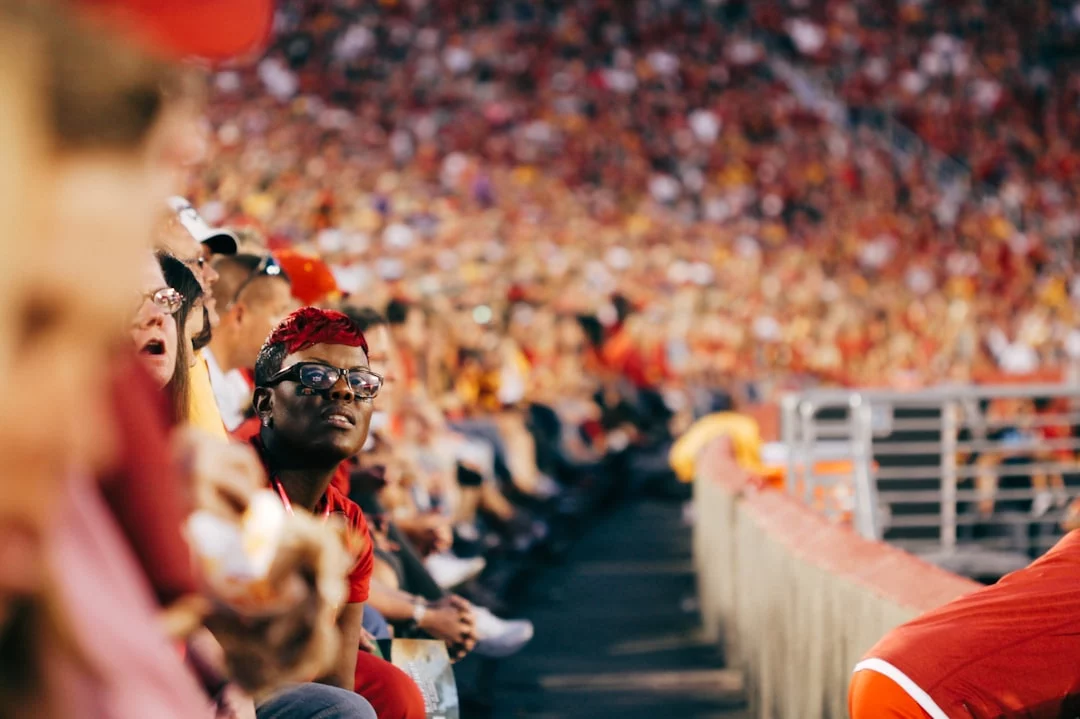
Como president Mirwan Suwarso and several club directors are reportedly surrendering their tickets for the Como Champions League debut so older supporters can attend instead. Although the available report provides few operational details, the gesture carries significance beyond a single set of seats: it recognizes the people who sustained the club through less glamorous periods and raises practical questions about loyalty, access and hospitality allocation in elite football.
The story is especially resonant because a first appearance in the UEFA Champions League is not an ordinary fixture. It is a milestone that enters a club’s institutional memory. Players and executives may change, but supporters often follow the same team for decades. Allowing long-serving elderly fans to witness that moment transforms a corporate allocation into a public statement about who owns a club’s history in an emotional sense.
Why the Como Champions League debut matters
Como 1907 has a history shaped by promotions, relegations, financial disruption and reconstruction rather than uninterrupted membership of Europe’s elite. That background is essential to understanding why older supporters would attach exceptional value to a Champions League night. Many may have followed the team when continental football appeared remote, making attendance a culmination of loyalty rather than simply access to a premium event.
The Champions League is administered by UEFA and represents the highest-profile annual club competition in European football. Its predecessor, the European Champion Clubs’ Cup, began in the 1950s, while the Champions League name and format arrived in the early 1990s. Qualification can bring international exposure, sponsorship opportunities and substantial matchday demand, but it can also create tension between commercial priorities and supporter access.
Como’s identity is closely connected to its home city and to the club’s historic ground, the Stadio Giuseppe Sinigaglia. Its distinctive setting near Lake Como contributes to the club’s appeal, yet a relatively constrained stadium environment can make tickets particularly scarce. When demand exceeds capacity, every seat allocated to directors, sponsors, media, governing bodies or supporters becomes part of a difficult distribution equation.
A symbolic transfer of privilege
The decision by Suwarso and fellow directors is best understood as a transfer of privilege. Executive tickets usually provide excellent sightlines and may include hospitality. Giving them up does not increase stadium capacity, but it changes who benefits from a limited resource. In this case, authority is being used to elevate supporters who might otherwise lose out in an online ballot, hospitality-led allocation or high-demand sales process.
This is also an example of sportsmanship expressed away from the pitch. Sporting values are often discussed in relation to fair play between competitors, yet institutions can demonstrate similar principles through ticketing, accessibility and recognition. The credibility of such an initiative depends on execution: the seats must genuinely reach appropriate supporters through a transparent and respectful process.
Why older supporters are central to club memory
Long-term fans preserve stories that may not appear in official statistics. They remember former grounds, lower-division campaigns, ownership crises, local rivalries and players who mattered before global audiences paid attention. Their knowledge forms part of association football culture, which is transmitted through families, supporter groups and repeated matchday rituals.
Recognizing elderly fans should not, however, reduce them to sentimental symbols. Ageing affects people differently, and age alone does not indicate financial need, reduced mobility or length of support. A credible selection process should therefore define its purpose. If the goal is to reward loyalty, membership history or documented attendance may be relevant. If the goal is inclusion, accessibility and economic barriers deserve greater weight.
Leadership through a visible sacrifice
Executives routinely speak about supporters as the heart of a football club. Relinquishing high-value seats gives that language a concrete form. The sacrifice is limited in material terms, but visible leadership often depends on symbolic actions that establish expectations. A director who gives up a place at a historic match is signaling that governance is a form of stewardship rather than an automatic entitlement to the best experience.
The move also intersects with corporate social responsibility. Unlike a conventional charitable donation, it redistributes access to the club’s central product: live football. That makes it emotionally powerful, although it should complement rather than replace durable policies on affordable tickets, disability access and supporter consultation.
How the ticket initiative should work in practice
The supplied report does not explain how recipients will be identified, how many seats are involved or whether companions and transport will be covered. Those details determine whether the gesture becomes an effective inclusion measure or merely a favorable headline. Como should publish a concise account after the allocation is complete without disclosing unnecessary personal information.
Fair selection criteria
A robust process could be managed with a recognized supporters’ organization and based on clearly stated criteria. Practical options include:
- Long-term affiliation: Give weight to season-ticket records, membership history or verifiable decades of support.
- Opportunity: Prioritize fans who would not otherwise have access to the match.
- Local representation: Include supporters who reflect the club’s connection to Como and surrounding communities.
- Accessibility needs: Confirm whether each recipient requires step-free entry, an accessible seat, hearing support or assistance.
- Companion seating: Avoid offering a ticket that cannot be used safely because a carer or family companion has no adjacent place.
- Privacy and dignity: Obtain consent before publishing names, ages, photographs or personal histories.
A nomination system may reveal compelling stories, but it risks becoming a popularity contest. A random ballot among supporters who meet published eligibility standards can be fairer. A hybrid model—objective qualification followed by a draw—would reduce subjective judgments while preserving the initiative’s intended focus.
Accessibility extends beyond the seat
Providing older supporters with tickets is only the first stage. Meaningful accessibility includes the entire journey: purchasing or receiving the ticket, reaching the venue, passing security, locating the seat, using restrooms and leaving safely after the match. Evening kickoffs, crowded transport and prolonged standing can create barriers even for spectators who do not identify as disabled.
Club staff should contact recipients directly, offer printed alternatives to mobile-only tickets where necessary and explain prohibited items and entry times in plain language. Transport assistance, a designated meeting point and trained stewards can be more valuable than upgraded catering. The World Health Organization’s guidance on ageing and health also supports a person-centered approach rather than assumptions based solely on age.
Commercial pressure versus supporter legitimacy
Champions League matches produce intense competition for inventory. Clubs must balance allocations for season-ticket holders, players’ families, partners, broadcasters, officials, visiting supporters and hospitality customers. Commercial seats can generate revenue that supports wages, infrastructure and academy programs. The issue is therefore not that every executive or sponsor allocation is inherently improper, but that the overall balance should remain defensible.
Football clubs differ from ordinary entertainment businesses because supporters contribute continuity regardless of results. A customer may abandon an unsatisfactory product, while a fan often remains attached through relegation and institutional failure. That loyalty creates what economists might describe as unusually inelastic emotional demand. Clubs can monetize it in the short term, but excessive pricing or opaque allocation can weaken trust.
Como’s reported decision offers a useful counterweight to that pressure. It implies that the most commercially valuable fixture should still contain room for people whose contribution cannot be measured by current spending power. The strongest model would reserve a defined portion of high-demand inventory for loyalty, youth participation, accessibility and community recognition rather than relying on occasional executive generosity.
Benefits, risks and unanswered questions
The immediate benefit is obvious: several elderly Como supporters may attend an event they could otherwise miss. The initiative can also strengthen intergenerational identity, encourage respectful treatment of veteran fans and demonstrate that club leadership understands the emotional scale of a European debut.
There are nevertheless risks. Publicity could overwhelm the recipients’ private experience. Poorly defined age thresholds could appear arbitrary. Supporters with longer attendance histories might feel excluded, while younger fans facing disability or financial hardship may reasonably ask why their barriers receive less attention. None of these objections invalidates the gesture, but they show why a one-off decision requires careful framing.
Verification is another important issue. The source excerpt does not identify the opponent, venue, date, number of surrendered seats or allocation mechanism. Readers should distinguish the reported plan from independently documented implementation. Updates from the club’s official website and the official Champions League platform would provide the clearest confirmation of competition and match details.
Lessons for football clubs and supporter organizations
Other clubs can learn from the principle without copying the gesture mechanically. The goal should be a repeatable system that values longstanding support while recognizing different forms of exclusion. A well-designed framework could include:
- Publishing the approximate distribution of tickets among supporters, hospitality, partners and institutional stakeholders.
- Creating a heritage allocation for landmark fixtures, managed with independent supporter representation.
- Maintaining telephone and in-person support for fans who struggle with digital ticketing.
- Auditing entrances, concourses, seating and transport plans for age- and disability-related barriers.
- Offering companion tickets where attendance would otherwise be unsafe or impractical.
- Evaluating the program after each high-demand match and reporting anonymized outcomes.
Supporter groups also have responsibilities. They can help identify fans who have become disconnected because of health, technology or transport barriers, but nominations should be consent-based and protected from favoritism. Clubs should avoid demanding emotional personal stories as the price of admission; a person should not need to perform hardship publicly to receive fair consideration.
Frequently asked questions
Why did Como directors give up their seats?
According to the report, president Mirwan Suwarso and several directors are giving their tickets to elderly supporters so those fans can attend Como’s first Champions League appearance. The gesture is intended to recognize long-term loyalty and share access to a historic occasion.
How many older Como supporters will receive tickets?
The supplied information does not specify the number of tickets or recipients. The total will depend on how many directors participate, whether each allocation includes more than one seat and whether companion places are required.
Does giving up executive seats solve football’s ticket-access problem?
No. It is a meaningful symbolic intervention, but high prices, limited capacity, digital barriers and hospitality allocations require structural policies. Lasting improvement depends on transparent distribution, accessible sales channels and protected supporter inventory.
What should clubs consider when offering tickets to elderly fans?
Clubs should consider mobility, transport, digital access, seat location, restroom access, companion requirements and consent around publicity. Older supporters are not a uniform group, so individual needs should be confirmed rather than assumed.
What this gesture could change next
The most important insight is not that a few directors will miss a famous match. It is that scarce tickets reveal a club’s priorities more clearly than slogans do. When Como’s leadership reallocates valuable seats to supporters who carried the institution’s memory, it defines prestige as something to be shared rather than enclosed within the boardroom.
What matters next is whether the gesture becomes policy. Clubs across Serie A and European football will continue expanding hospitality and data-driven ticketing, increasing both revenue opportunities and access risks. A reasonable prediction is that supporter scrutiny of ticket allocation will intensify as premium inventory grows. Como now has an opportunity to turn a memorable act into a transparent heritage and accessibility program—one that survives beyond a single European night.
SEO Data
Primary Focus Keyphrase: Como Champions League debut
Related Keyphrase 2: Como executives give tickets to elderly fans
Related Keyphrase 3: Older Como supporters Champions League tickets
Related Keyphrase 4: Why did Como directors give up their seats
Related Keyphrase 5: Football fan ticket access
Primary Keyphrase Synonyms: Como UCL debut, Como’s Champions League bow, Como’s first Champions League match, club’s European debut, historic Como European night
SEO Title: Como Champions League Debut: Chiefs Give Seats to Older Fans
Meta Description: Como chiefs will give up seats for the Como Champions League debut, helping older supporters attend while highlighting loyalty and ticket access.
URL Slug: como-champions-league-debut
Image Filename: como-champions-league-debut-older-supporters.jpg
Image ALT Text: Como club executives presenting match tickets to older supporters outside a lakeside football stadium
Image Title: Como Executives Share Champions League Tickets
Image Caption: Como’s reported ticket gesture recognizes older supporters ahead of the club’s historic Champions League appearance.
Search Intent: News/current event with informational intent
Frequently Asked Questions
How might Como identify which older supporters receive the surrendered tickets?
The report does not describe a selection method. A credible process could combine age with season-ticket tenure, membership history or documented attendance. Como could also consult recognized supporter groups. Publishing clear criteria would reduce accusations of favoritism and ensure the gesture rewards long-term loyalty rather than age alone.
Can directors simply transfer Champions League tickets to other people?
Any transfer would need to comply with UEFA regulations, stadium security procedures and Como’s ticketing terms. Because these seats come from the club’s executive allocation, Como can likely reassign them internally, provided the new attendees are properly registered and any identity, accessibility or hospitality requirements are handled in advance.
Will giving up executive seats allow more supporters into the stadium?
No. The gesture does not expand stadium capacity or create additional tickets. It changes who occupies seats already reserved for club officials. Its importance is therefore symbolic and distributive: scarce premium access moves from executives to supporters who helped sustain Como during less successful periods.
Could prioritizing older fans be unfair to younger supporters with strong loyalty records?
Yes, if age is the only criterion. Younger supporters may also have extensive attendance histories or deep family connections to Como. A balanced scheme could reserve some seats for elderly fans while using loyalty points, membership duration or a transparent ballot to recognize other committed supporters.
What practical support might elderly ticket recipients need on matchday?
Receiving a ticket does not automatically guarantee meaningful access. Como may need to consider step-free routes, companion seating, transport, queue management, nearby facilities and clear arrival instructions. If executive seats are located in hospitality areas, the club should also confirm that those spaces are physically suitable for each recipient.