
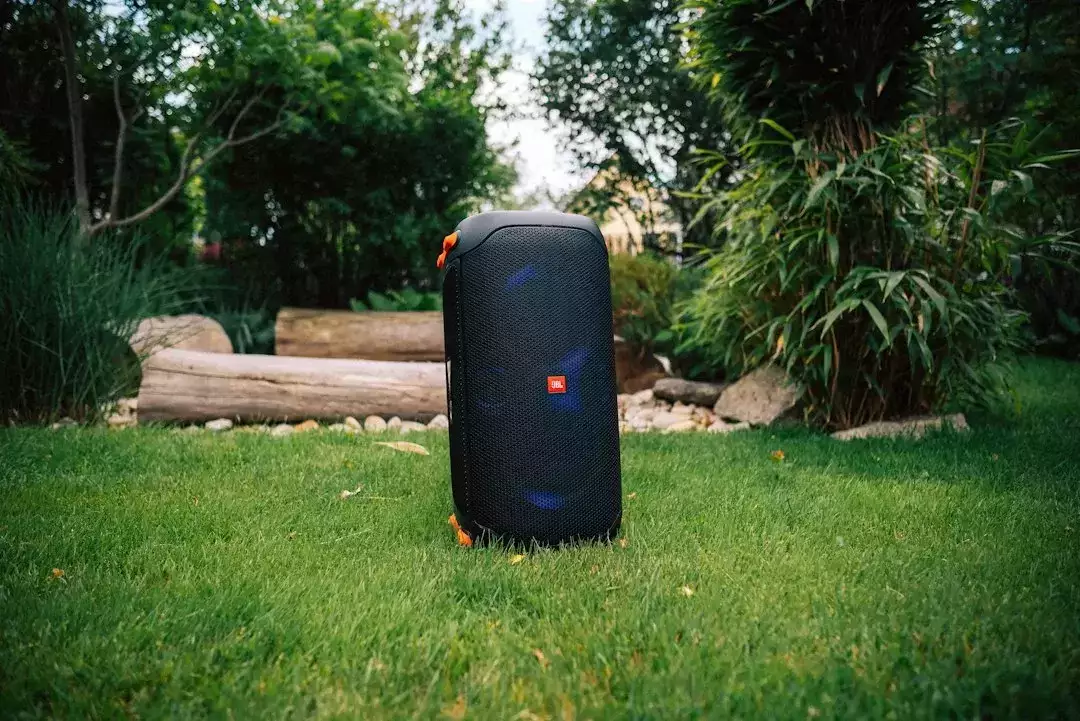
The best party speakers 2026 are not just about raw volume. Buyers want a portable system that can fill a backyard, survive travel, keep bass tight at higher levels, pair quickly over Bluetooth, and still leave room for an occasional karaoke session. That mix of needs is why the current market looks different from the classic home-audio world: a modern party speaker sits somewhere between a loudspeaker, a compact audio system, and battery-powered event gear.
How to Judge Party Speaker Performance in 2026
For shoppers, the important question is not whether the box has a flashy light show, but whether it can keep a playlist alive at a reasonable level for hours. The right choice depends on venue size, whether you need a sound reinforcement system-style output, and how much portability you can actually tolerate. The Bluetooth Special Interest Group offers a useful overview of wireless basics here: Bluetooth basics from the Bluetooth SIG.
Why the best party speakers in 2026 are judged by use case, not just specs
A living room speaker and a patio speaker solve different problems because air, walls, and distance change perception of bass and clarity. Outdoor sound loses energy faster, so a tiny cylinder that sounds impressive near your couch may disappoint at a barbecue. The useful question is how the speaker shapes its frequency response once the volume rises, not how impressive it sounds at low levels in a quiet store.
Manufacturers can use a Class-D amplifier and smart digital signal processing to keep a speaker compact without sounding thin, but implementation varies widely. That is why two products with similar wattage can feel very different in the real world.
The loudest speaker is rarely the best party speaker. The right one is the speaker that stays clear, balanced, and portable after the first hour of real use.
The features that actually move the needle
Volume and coverage
For parties, perceived loudness matters more than an advertised peak number. A well-tuned cabinet with a broad dispersion pattern can outperform a louder-sounding spec sheet. If you want coverage for a crowd, think like an installer choosing a small sound reinforcement system, not like a shopper reading only the back of the box.
Bass that stays clean
Big bass is desirable, but only when it stays controlled. A larger subwoofer or passive radiator can help, yet cabinet design and equalization often matter just as much. Good party speakers use bass enhancement without burying vocals.
Battery, charging, and portability
On battery life, manufacturers usually quote best-case runtimes at moderate levels. A battery-powered speaker with a long headline figure may shrink quickly when bass-heavy music and light effects are on. Check how easy it is to charge, whether the rechargeable battery is built in, and whether the chassis has handles or wheels.
That also affects whether the speaker really functions as a portable solution or simply as a box with a battery attached. Compared with the days of the portable media player, a party speaker now has to be the social center of the room.
Durability and weather resistance
If rain, sand, or pool spray are realistic, the ingress protection rating matters more than marketing language like splash-proof. The same goes for grills, feet, and port covers. Better protection is not just about surviving accidents; it also reduces the hesitation that keeps people from bringing the speaker outside in the first place.
Karaoke and inputs
Many buyers now want more than playback. A true karaoke-friendly box should offer microphone inputs, usable echo control, and enough vocal clarity to stand up to a roomful of amateur singers. Because karaoke is less about gimmicks and more about intelligible mids, the speaker should preserve voices when the beat gets busy.
A good Bluetooth speaker should also reconnect reliably, support simple EQ presets, and make stereo pairing easy. That is where software polish starts to matter as much as drivers and cabinets.
How JBL, Sony, and Marshall approach party sound differently
JBL: crowd-pleasing punch
JBL has built a reputation around energetic low end, easy portability, and products that feel immediately fun rather than analytical. That can be a strength for casual hosts who want a speaker that sounds lively without much setup. In practice, JBL-style tuning often appeals to people who value excitement over precision.
Sony: balanced tuning and ecosystem convenience
Sony often appeals to buyers who want flexible features and a less aggressive sound profile. For mixed playlists, balanced tuning can be easier on the ears over several hours. Sony products also tend to attract shoppers who want strong app support and straightforward device integration.
Marshall: design-first appeal
Marshall Amplification brings guitar-amp styling and tactile controls. That design language resonates with buyers who value presence and aesthetics as part of the party setup. The trade-off is that style may matter as much as pure output, so shoppers should not mistake the look for proof of louder sound.
Other strong contenders, including Bose, Ultimate Ears, and Soundcore, often optimize different compromises. Some lean toward cleaner mids and travel-friendly designs, while others emphasize bigger output or more aggressive bass. The best brand is the one whose tuning matches how you actually host.
Match the speaker to the event you actually host
The best party speakers 2026 are the ones matched to a real scenario. A speaker that is perfect for a small apartment gathering can be the wrong choice for a backyard, and a huge unit that dominates a patio can be annoying to carry from room to room.
| Use case | Prioritize | Trade-off |
|---|---|---|
| Apartment or dorm gathering | Controlled bass, moderate size, quick Bluetooth pairing | Less output for large crowds |
| Backyard party | Higher volume, weather resistance, long battery life | Heavier cabinet and more cost |
| Karaoke night | Mic inputs, echo control, vocal clarity | More controls to learn |
| Tailgate or travel | Portable design, handles, fast charging | Smaller low-end impact |
| Mixed indoor-outdoor hosting | Flexible EQ, reliable pairing, strong coverage | May require a larger budget |
If you want the best Bluetooth party speaker with karaoke and bass, look for a speaker that lets you tame low frequencies and raise the vocal channel independently. That combination usually matters more than decorative lighting or a long list of app features.
For larger spaces, two smaller speakers can outperform one giant unit because stereo coverage improves room fill. For louder, more chaotic events, a single box with stronger output may be simpler and more reliable. The decision comes down to whether you want spread or sheer force.
Common mistakes that lead to disappointment
- Comparing wattage without considering cabinet tuning, driver quality, and room size.
- Buying for bass alone and ending up with muddy vocals.
- Ignoring real battery behavior at party volume and with lights enabled.
- Skipping weather resistance when the speaker will live near a pool, patio, or beach.
- Overpaying for features you will never use, such as extra lighting modes or novelty sound effects.
- Forgetting that a speaker still needs stable pairing, simple controls, and a charging plan that fits your routine.
Watts are not a full measure of loudness, and they are definitely not a full measure of fun. A well-engineered speaker can sound bigger than its size, while a poorly tuned one can sound strained long before the spec sheet suggests it should.
FAQ: buying a party speaker in 2026
What makes a speaker good for parties?
It needs enough output for the room, controlled bass, reliable wireless pairing, useful battery life, and, if relevant, microphone inputs. If the sound collapses when people talk, dance, or move away from the speaker, it is not party-ready.
How many watts do I need?
No single wattage number tells the full story. Room size, dispersion, tuning, and amplifier efficiency all matter. A smaller speaker with smarter digital signal processing can outperform a bigger box that is poorly tuned.
Is IPX4 enough for outdoors?
It is fine for splashes and light rain, but not for submersion. For poolside use, sandy environments, or unpredictable weather, a higher ingress protection rating is a safer bet.
Should I buy one large speaker or two smaller ones?
Choose one large speaker if you want simplicity and strong output from a single point. Choose two smaller speakers if you want wider coverage, better stereo spread, and easier placement around a room or patio.
Are karaoke features worth paying for?
If you host birthdays, family nights, or group gatherings, yes. Once microphone inputs, echo, and vocal clarity are in the mix, a karaoke-capable speaker starts to justify a higher price because it adds a second use case, not just a novelty.
What to watch next in party speakers
The next competitive edge will likely come from smarter digital signal processing, more efficient power use, better Bluetooth stability, and a stronger push toward repairable, longer-life battery design. As manufacturers squeeze more sound out of smaller cabinets, the real differentiator may become how well a speaker maintains clarity after the first few hours, not how impressive it sounds in a product clip.
The most important unanswered question is whether buyers keep rewarding larger light-up boxes or shift toward more modular systems that are easier to carry, charge, and actually live with. If party audio matures the way other consumer electronics have matured, the winning products will sound less like gadgets and more like tools.
That is the deeper lesson behind the best party speakers 2026: the right speaker is not the one with the most dramatic spec sheet, but the one that still feels effortless after the music has been playing long enough for the party to become real.
Frequently Asked Questions
Does a higher wattage rating automatically mean a better party speaker?
No. Wattage alone does not tell you how loud, balanced, or usable a speaker will be in a real party setting. Cabinet design, driver tuning, DSP, and dispersion often matter more than raw power numbers. Two speakers with similar wattage can sound very different once the volume rises, especially outdoors or in larger rooms.
Why do some speakers sound great indoors but weak at a backyard party?
Outdoor spaces absorb and spread sound differently because there are fewer walls to reflect bass and reinforce volume. A compact speaker that feels impressive near a couch can lose impact quickly outside. For patios or yards, look for broader dispersion, stronger midrange clarity, and bass tuning that stays controlled at higher volumes.
How reliable are the battery life numbers manufacturers advertise?
Battery claims are usually based on moderate volume and simple listening conditions. In real use, bass-heavy music, bright lighting effects, and higher playback levels can reduce runtime significantly. If battery life matters, look for independent testing or user reports, and check whether charging is convenient enough for longer events.
Is an IP rating really important if I only use the speaker occasionally outdoors?
Yes, because occasional outdoor use is often when accidents happen. An IP rating gives clearer protection information than vague labels like splash-proof. If the speaker may face rain, pool spray, sand, or damp grass, better sealing helps both durability and confidence, making it more likely you’ll actually bring it outside.
What should I look for if I want a party speaker that can also handle karaoke?
Prioritize microphone inputs, usable echo control, and clear vocal reproduction. Karaoke depends less on flashy effects and more on intelligible mids that stay present when music gets busy. A good karaoke-capable speaker should also reconnect easily over Bluetooth and let you adjust sound quickly without digging through complex menus.