
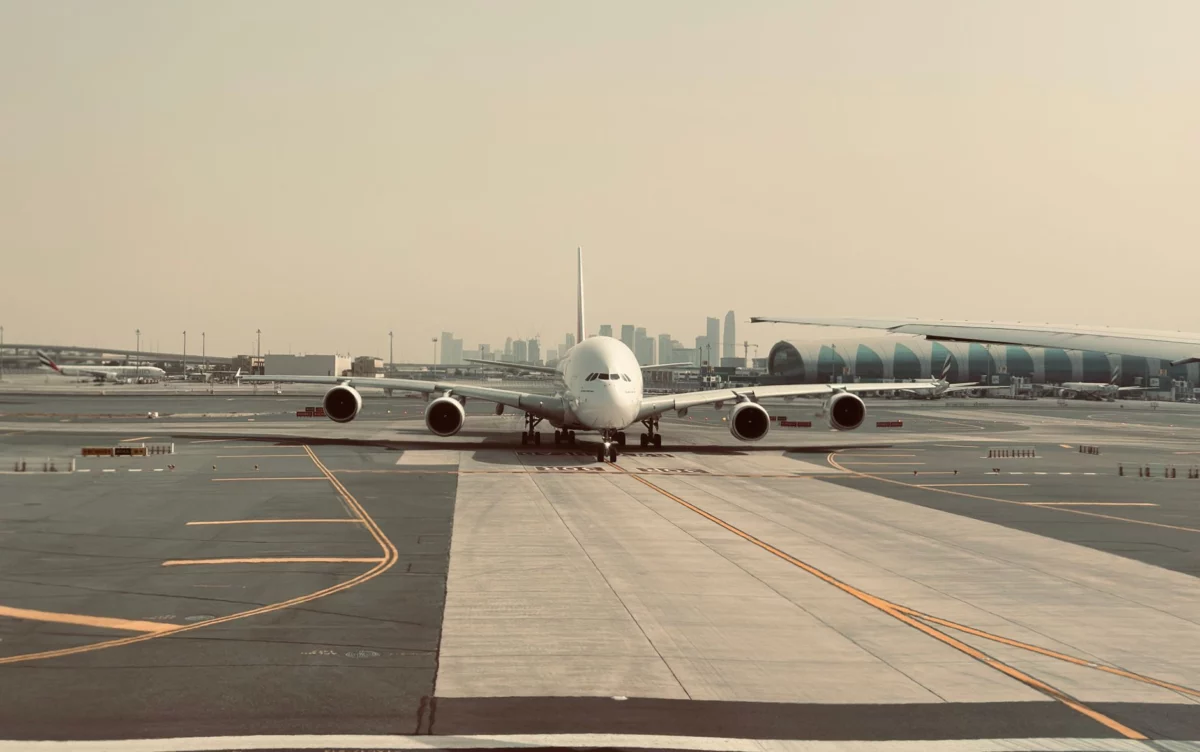
Middle East aviation connectivity is no longer a behind-the-scenes industry term; at Arabian Travel Market 2026, it is the story itself. The region’s tourism momentum depends on whether airlines can restore capacity, whether airports can move people quickly, and whether visitors can enter with less friction. A route is not just a line on a map. It is a promise that a holiday, conference, family visit or business trip can actually happen.
That is why the conversation around ATM 2026 is so revealing. Airline leaders, airport operators and destination teams are not only talking about growth; they are talking about the mechanics of growth. In other words: who flies where, how easily travelers can obtain entry, how cleanly they connect through hubs, and whether the journey feels modern enough to convert interest into booking confidence. This is where aviation, airline strategy and tourism policy meet.
Connectivity is the product, not just the transport
In the Middle East, the most valuable tourism asset is often not a single attraction, but the ability to move people efficiently. A destination may have world-class hotels and iconic experiences, yet if access is clumsy, demand leaks away. That is why connectivity has become a commercial product in its own right. It includes direct routes, transfer quality, visa ease, baggage handling, schedule reliability and the clarity of travel documentation.
Airlines have known this for decades. The classic hub-and-spoke model exists because concentrated traffic can support frequency, long-haul reach and profitable connections. But in 2026, that model only works if the handoff between networks is smooth. A codeshare agreement, a good transfer window and a clean baggage process can matter just as much as the aircraft type itself. Likewise, a reservation built around a passenger name record that is accurate and interoperable is not a back-office detail; it is the difference between a calm trip and a missed connection.
The region’s geography only matters when networks are built around it
The Middle East sits at a natural crossroads between Europe, Asia and Africa. That geographic advantage has been amplified by the rise of major aviation hubs such as Dubai International Airport and, increasingly, the long-term expansion story around Al Maktoum International Airport. But geography alone is passive. The real achievement is turning location into usable connectivity through schedule depth, reliable transfers and destination coordination.
That is why the public face of the region’s travel growth is often the city itself, especially Dubai, while the engine underneath is a highly engineered airport and airline ecosystem. The same logic applies across the wider Gulf, where members of the Gulf Cooperation Council compete and cooperate at once. The winner is rarely the place with the loudest marketing. It is the place that removes the most friction.
Routes, frequency and aircraft mix now drive recovery more than slogans
After shocks to travel demand, restored capacity is not a cosmetic improvement; it is the foundation of recovery. A market can look healthy on social media and still feel constrained if frequencies are thin or if travelers have to detour through inconvenient gateways. New routes, especially to secondary cities, widen the map of who can actually visit. More frequency also supports business travel, which is still critical for meetings, incentives, conferences and exhibitions.
Low-cost carriers add another layer of importance. As the low-cost carrier model continues to shape regional travel, it opens price-sensitive demand and stimulates weekend leisure traffic. Full-service airlines, meanwhile, preserve long-haul connectivity and premium yield. The strongest destination strategies do not choose one model over the other; they build a network where both can coexist. That balance is especially valuable when a destination wants to attract both mass leisure and high-spend visitors.
ATM 2026 is therefore not just about announcing more routes. It is about understanding which routes deepen the market. A flight that links a Gulf hub to a European capital may serve one demand profile, while a new connection into a growing Asian or African city can unlock another. For tourism boards, the key question is not simply
Frequently Asked Questions
Why does the article treat connectivity as a tourism product rather than just transport infrastructure?
Because for travelers, connectivity shapes the entire trip experience: how easy it is to book, enter the country, connect onward and arrive on time. Direct routes, smooth transfers, visa simplicity and reliable baggage handling all influence whether demand converts into actual visits. In that sense, connectivity is part of the destination offer, not just the means of reaching it.
How do codeshare agreements and transfer quality affect tourism more than many people realize?
They reduce friction in ways that are often invisible until something goes wrong. A good codeshare can widen route options without adding complexity, while a short and well-managed transfer window lowers the risk of missed connections. For visitors, this improves confidence in booking multi-leg trips, especially for long-haul journeys through major hubs in the region.
Why are secondary-city routes important if major hubs already dominate Middle East aviation?
Major hubs bring scale, but secondary-city routes expand who can realistically travel. They shorten access times, reduce the need for detours and open new source markets that might not justify a connection through a large hub. That matters for tourism because destinations grow faster when visitors can arrive from more places with fewer barriers.
What is the strategic value of having both low-cost carriers and full-service airlines in the same market?
They serve different demand segments, and together they create a more resilient network. Low-cost carriers stimulate leisure and price-sensitive travel, especially for short breaks and regional trips. Full-service airlines support long-haul flows, premium passengers and business travel. A destination benefits most when both models are present and complementary rather than competing for the same passengers only.
How do airports like Dubai International and Al Maktoum International influence tourism beyond simple passenger volumes?
Their impact goes beyond numbers because they shape how efficiently the region can absorb and distribute travelers. Dubai International is already a major connector, while Al Maktoum represents future capacity and network expansion. Together, they help turn the Middle East’s geographic position into practical access, which is what makes tourism growth sustainable rather than accidental.
Why are visas discussed alongside airlines and airports in a conversation about aviation connectivity?
Because entry rules can either reinforce or undermine the value of a route. Even the best flight network loses appeal if travelers face slow, unclear or restrictive visa processes. Easier entry supports spontaneous leisure travel, conference attendance and family visits, making aviation capacity more commercially useful and improving the odds that demand turns into actual bookings.