
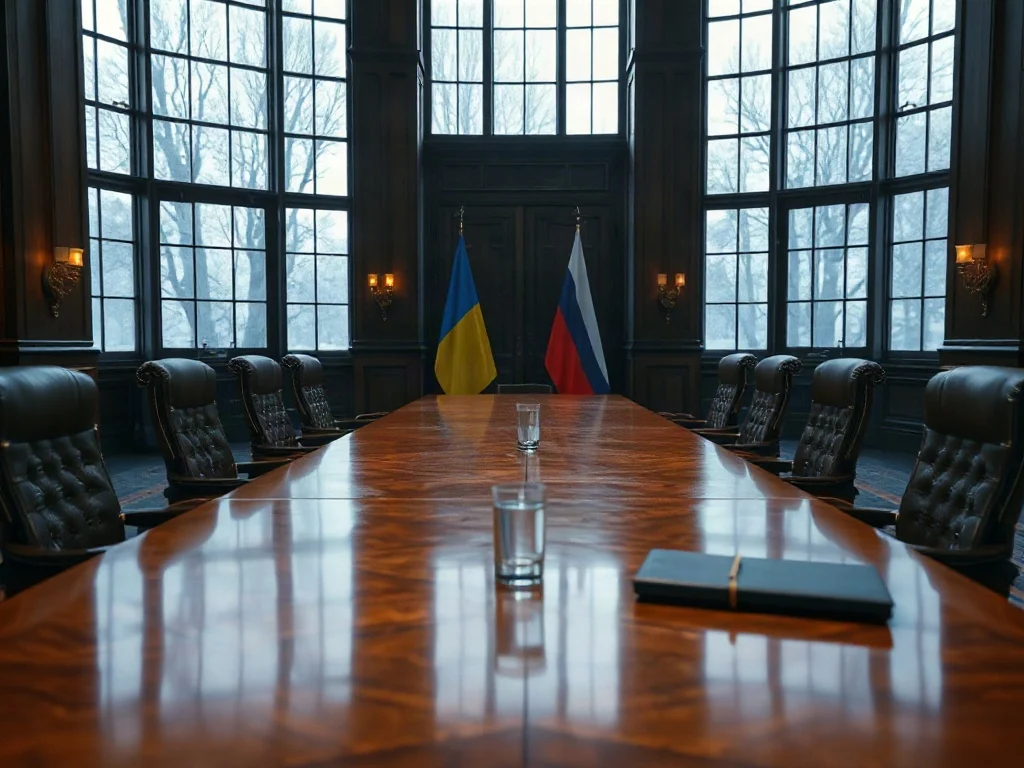
The Zelensky Trump Putin friendship debate gained fresh momentum after Volodymyr Zelensky told the BBC that Russia’s Vladimir Putin should not be treated as a friend. According to the BBC’s report, the Ukrainian president called the relationship between the two leaders ‘strange’. This article separates what is confirmed from what is interpretation, and explains why a few words in a Zelensky BBC interview can matter for the war’s diplomacy.
What Zelensky Said and What Is Known
The BBC’s summary is short: Zelensky questioned the apparent warmth between Donald Trump and Vladimir Putin, and said Putin should not be regarded as a friend. Only the word ‘strange’ and the core message are confirmed in the material available here. Any fuller reading of the interview should be checked against the original BBC News report.
Why the Wording Matters
Zelensky is not rejecting engagement with Washington. His point, as reported, concerns how Putin is framed: as a negotiating counterpart or as a personal friend. For a leader whose country has faced the Russian invasion of Ukraine since February 2022, that distinction is not rhetorical. It shapes expectations about what Moscow can be asked to concede.
Background: A War With a Long Diplomatic Trail
The wider Russo-Ukrainian War began with the annexation of Crimea in 2014 and fighting in the Donbas. Earlier diplomacy produced the Minsk agreements, which failed to deliver a lasting settlement. Ukraine’s leaders also cite the Budapest Memorandum, under which Ukraine gave up Soviet-era nuclear weapons in exchange for assurances. This history explains Kyiv’s wariness of any process that relies on trust in Moscow’s word.
Two Ways to Read the Friendship Question
The Case for Personal Diplomacy
Supporters of direct leader-to-leader engagement argue that warm relations can open channels that formal diplomacy cannot. Talking with the Kremlin may be a prerequisite for any ceasefire, and personal rapport might make Putin more willing to negotiate. This is a plausible theory, but whether it works is unproven and depends on what Russia is actually prepared to give up.
The Case for Caution
Critics, and Zelensky’s remarks fit this camp, warn that friendliness can be mistaken for leverage. Putin’s government has a record of using talks to buy time, a pattern many analysts compare to appeasement. Others counter that hard-nosed realpolitik sometimes requires talking to adversaries without illusions. Both views are interpretations, not established facts.
Why It Matters for Russia Ukraine Peace Negotiations
Any outcome in Russia Ukraine peace negotiations depends on three things: security assurances for Ukraine, the status of occupied territory, and the future of economic sanctions. A perceived closeness between Washington and Moscow could affect all three. Ukraine relies heavily on Western support, and its position weakens if allies appear ambivalent. The European Union and NATO members also watch such signals closely, since European security architecture is at stake.
Why Zelensky Says Putin Is Not a Friend: The Strategic Logic
Zelensky’s message works on at least three levels:
- Domestic: It reassures Ukrainians that their government will not accept a deal framed around goodwill toward the aggressor.
- Transatlantic: It gently challenges an ally in public without breaking with him, a delicate balance given Ukraine’s dependence on aid.
- International: It is a form of public diplomacy aimed at shaping how audiences abroad understand the conflict.
What to Watch in Coverage of This Story
- Check whether quotes come from the full interview or from excerpts and summaries.
- Separate Zelensky’s statements from reporters’ interpretations.
- Look for official responses from Washington and Moscow rather than anonymous commentary.
- Track whether rhetoric is followed by concrete steps such as meetings, sanctions decisions, or ceasefire proposals.
Frequently Asked Questions
What did Zelensky say about Trump and Putin?
According to the BBC, Zelensky called the friendship between Trump and Putin ‘strange’ and said Putin should not be treated as a friend.
Is Zelensky opposed to talks with Russia?
The BBC summary does not say that. His comment concerns how Putin is treated, not whether negotiations should happen.
Why does this matter for Ukraine?
Because Ukraine depends on Western political and military backing, how its allies characterize Russia’s leader can influence negotiating leverage and public support.
The Real Test Is Not Tone but Terms
The most important insight is that the argument over friendship is a proxy for a harder question: what would Russia have to accept for peace to be durable, and who guarantees it? Warm words cost nothing, while binding security arrangements cost a great deal. Watch for whether any future talks produce verifiable commitments, and whether Kyiv’s allies align publicly around them. If personal rapport yields concrete concessions, critics like Zelensky will have to reassess. If it does not, the ‘strange’ friendship may be remembered as a diplomatic detour rather than a breakthrough. That outcome remains unanswered, and it will be decided by terms on paper, not tone in public.
Frequently Asked Questions
Is Zelensky rejecting talks with Washington or with Russia?
No. As reported, his point is not about refusing engagement but about framing. He questions whether Putin should be treated as a friend rather than as a negotiating counterpart. That difference affects what Moscow can realistically be asked to concede in any future talks.
How much of Zelensky's BBC interview is actually confirmed?
Only the word 'strange' and the core message are confirmed in the material available: that Zelensky questioned the warmth between Trump and Putin and said Putin should not be regarded as a friend. Fuller details should be checked against the original BBC News report.
Why does Ukraine distrust agreements that rely on Moscow's word?
Kyiv points to a long diplomatic trail. The Minsk agreements failed to deliver a lasting settlement after 2014, and Ukraine cites the Budapest Memorandum, under which it gave up Soviet-era nuclear weapons in exchange for assurances that did not prevent later aggression.
Can personal rapport between leaders help end the war?
Supporters say warm relations can open channels formal diplomacy cannot and may make Putin more willing to negotiate. However, this remains an unproven theory. Its success depends on what Russia is actually prepared to give up, and critics warn friendliness can be mistaken for leverage.
Which issues could a perceived Washington-Moscow closeness affect?
The article identifies three pillars of any peace outcome: security assurances for Ukraine, the status of occupied territory, and the future of economic sanctions. Apparent closeness between Washington and Moscow could influence all three, especially since Ukraine depends heavily on Western support.
How can readers tell reporting from interpretation in this story?
Check whether quotes come from the full interview or only from excerpts and summaries, and separate Zelensky's own words from journalists' interpretations. Look for official responses from Washington and Moscow, and watch for concrete follow-up steps such as meetings, sanctions decisions or ceasefire proposals.