
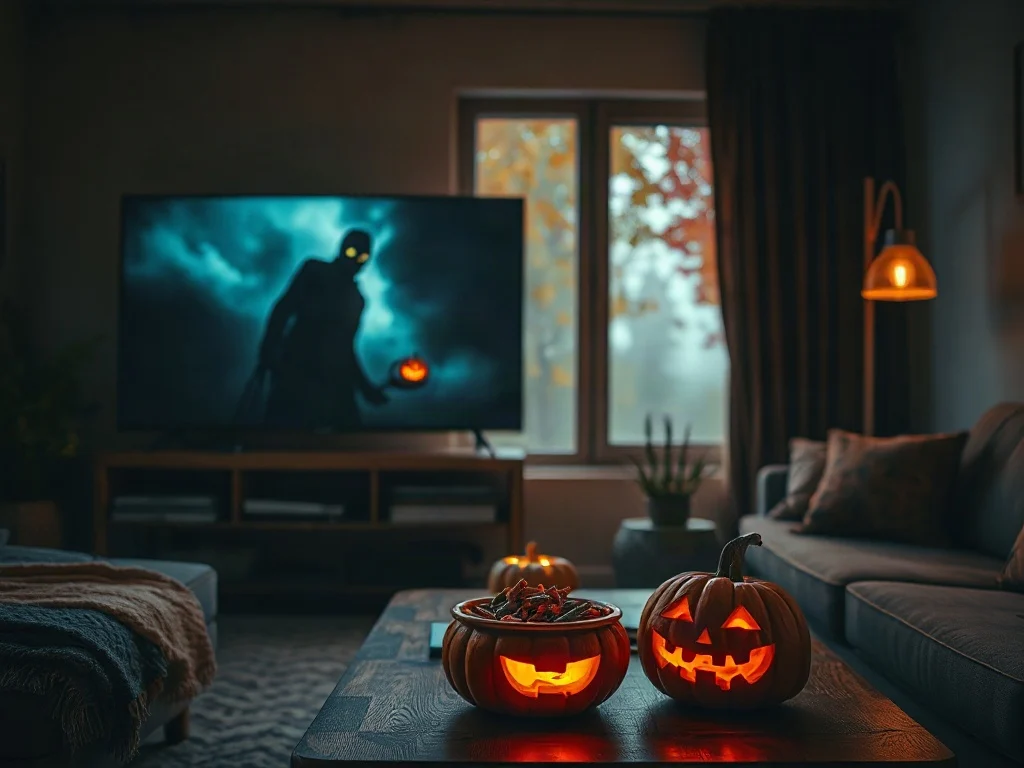
Halloween streaming has become one of the most competitive corners of the home entertainment market, and the question of which horror films deserve a place on a seasonal watchlist is more than a matter of taste. Searches for the best Halloween movies to stream rise sharply every October, driven by viewers who want more than the same three franchise titles recycled each year. This guide examines what separates a genuinely effective Halloween film from a merely seasonal one, and it uses that framework to evaluate the selection drawn from our source article, which highlights toe-eating witches, Pumpkin Kings, and other sinister favorites.
Background: Why Halloween Viewing Became a Streaming Category
Halloween films occupy an unusual place in film history. Unlike holiday romances or family comedies, the genre is defined less by a calendar anchor than by a shared tonal expectation: the audience wants atmosphere, dread, and often a measure of comedy. The modern seasonal canon was shaped by John Carpenter’s Halloween (1978), which established many conventions of the slasher subgenre, and by later franchise entries that tied the holiday to a recurring killer.
The arrival of subscription streaming changed how these films are consumed. Rather than renting a physical disc or waiting for a television broadcast, viewers now browse catalogs that rotate titles in and out with licensing deals. This creates a practical problem: a film available in October may vanish by November, and seasonal curation has become a commercial activity in its own right. Platforms frequently program horror catalogs in the weeks before the holiday, and critics and editors respond with ranked lists.
Defining the Halloween Film
Analysts generally distinguish between horror films set on Halloween, films that use Halloween iconography, and general horror released in October. The source list appears to blend these categories, which is common in seasonal roundups but worth noting for readers who want a specific kind of viewing experience. A film can be an excellent autumn watch without being anchored to the holiday at all.
Core Analysis: Criteria for Evaluating Seasonal Horror
A useful ranking requires explicit criteria. Without them, lists tend to reward familiarity and franchise recognition over craft. Four criteria provide a more disciplined basis for evaluation.
- Tonal coherence: whether the film sustains a consistent mood rather than shifting awkwardly between terror and parody.
- Atmospheric use of season: whether autumn settings, folklore, or ritual meaningfully shape the story.
- Re-watch value: whether the film rewards repeated viewing, which matters for a category viewed annually.
- Accessibility: whether the film is broadly available across streaming services, since catalog churn affects the practical usefulness of any recommendation.
The Folklore Subgenre
Films drawing on folklore, such as those featuring witches or pumpkin-based mythology, have an advantage in seasonal programming because the imagery is inherently tied to autumn. Witch narratives trace back to early modern European witch trials and to a long literary tradition, and their continued popularity reflects how readily audiences accept supernatural premises when they are framed as ritual or inheritance. The strongest films in this category treat folklore as a structure rather than decoration, letting belief systems generate the threat.
The risk here is repetition. Witch films can slip into costume-driven aesthetics that prioritize look over logic. Critics commonly argue that the difference between a memorable folklore horror and a forgettable one lies in whether the rules of the supernatural are internally consistent.
Slashers, Comedies, and the Tonal Split
Halloween viewing has a documented appetite for comedy-horror, a blend that has grown since the 1990s. Comedy horror can succeed by using humor to reduce tension without dissolving it, but it fails when jokes undercut every scare. Slasher films, by contrast, depend on suspense construction and on the audience’s trust in the killer’s rules. Viewers choosing a film should therefore identify which tonal promise they want before selecting from any list.
A seasonal horror film earns its place not by being frightening in October alone, but by holding its tone and structure when the viewer returns to it the following year.
Expert Perspectives and Points of Disagreement
Critics disagree on how much weight to give nostalgia. Some argue that childhood familiarity inflates the reputation of older slashers and family-oriented Halloween films, while others contend that the genre’s canonical works deserve their status because they established techniques still in use. Both positions have merit. Nostalgia is a legitimate part of seasonal viewing, but it should be separated from assessments of technical achievement.
There is also a substantive debate about streaming’s effect on horror culture. Some film historians note that catalog-based viewing encourages discovery of lower-budget and international titles, which can broaden a viewer’s sense of the genre. Others observe that algorithmic recommendation and licensing volatility narrow what is seen, with the most-searched titles crowding out less familiar work. The evidence for either claim is largely anecdotal, and readers should treat confident assertions in either direction with caution.
Practical Applications: How to Build a Better Halloween Watchlist
Rather than scrolling for a single film, viewers benefit from structuring a seasonal schedule. A practical approach is to alternate tones across the month, pairing one folklore or atmospheric horror with one slasher and one comedy. This prevents fatigue and makes comparison easier.
- Check availability on the current platform before committing, since licensing changes frequently.
- Note the rating and content advisories, particularly for films with graphic violence or strong language.
- Watch in chronological order within a franchise only if you intend to follow its continuity; many entries are self-contained.
- Record which films produce a strong reaction, since personal response is a better guide than critical consensus for future selection.
Common Mistakes
The most frequent error is selecting only the most recognizable titles. Familiar films are not inherently poor, but a list composed exclusively of them offers limited discovery. A second error is ignoring the film’s intended audience. A film designed for younger viewers and one aimed at adult horror fans differ substantially in intensity, and mismatched expectations often lead to disappointment.
Risks, Limitations, and Caveats
Seasonal recommendations carry limits. Availability varies by region and subscription, so any specific title should be verified before viewing. Content ratings also vary across countries, and the same film may be classified differently depending on local standards. Readers should also be aware that rankings reflect the judgment of their authors, and no objective method exists for ordering horror films by quality. A list is a starting point for evaluation, not a verdict.
Future Developments in Seasonal Streaming
Several trends are plausible over the next few years, though none should be treated as certain. Licensing consolidation among streaming services may reduce the number of platforms carrying classic horror, potentially increasing reliance on rental and physical media. Independent and international horror has grown in visibility, and it is reasonable to expect Halloween catalogs to include a wider geographic range. Advances in recommendation systems may also personalize seasonal lists, though the transparency of those systems remains an open question.
The more consequential question is whether the Halloween film will remain a distinct category or dissolve into year-round horror consumption. If streaming makes every film available at all times, the seasonal framing may lose its function, and the act of choosing a Halloween movie may become less a ritual than a search. Whether audiences will continue to value that ritual, and whether platforms will keep curating it, is the unresolved issue that will determine how these lists evolve.
Frequently Asked Questions
¿Qué criterios se usan para evaluar si una película de Halloween merece estar en una lista de streaming?
La guía propone cuatro criterios: coherencia tonal, uso atmosférico de la temporada, valor de repetición y accesibilidad. Este último es clave porque el catálogo de las plataformas rota con frecuencia, así que una recomendación puede volverse inútil en pocas semanas si el título desaparece. Aplicar criterios explícitos evita que las listas premien solo la familiaridad o el reconocimiento de una franquicia.