
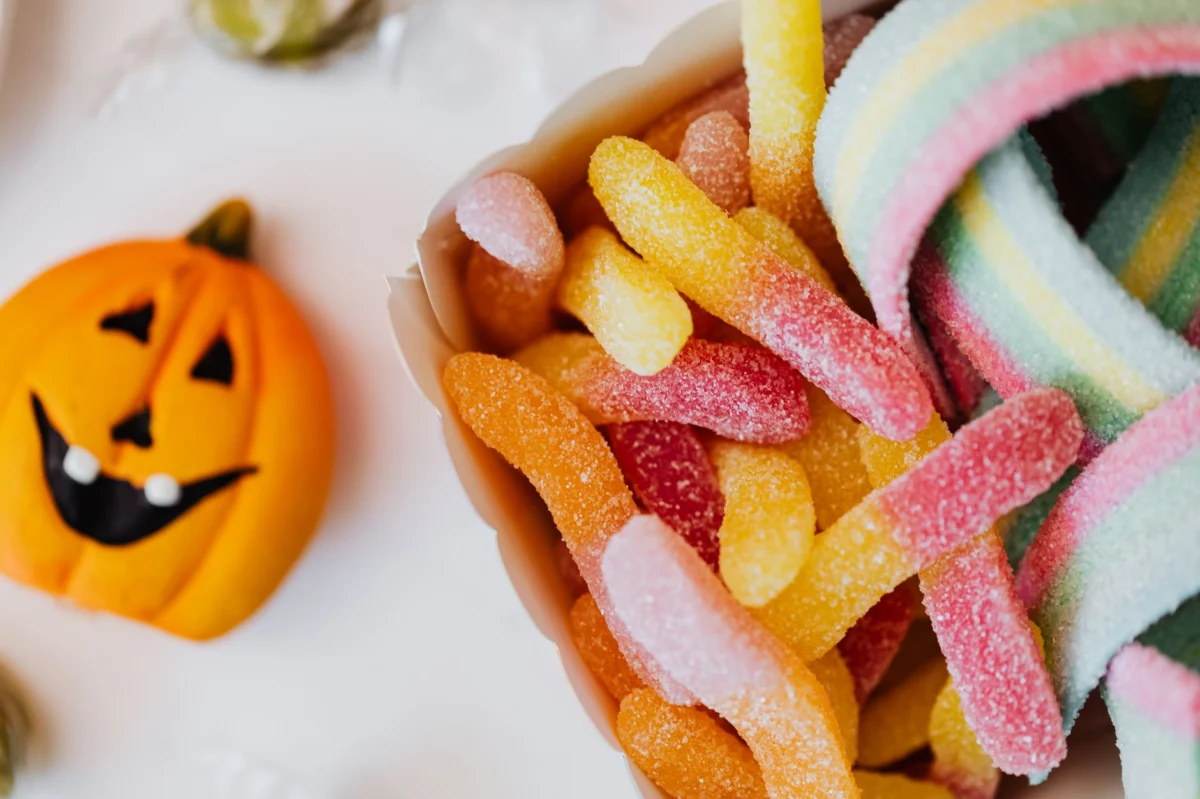
Halloween freebies UK campaigns look simple on the surface: a £30 Asda voucher here, a free child costume there, a pumpkin offer, a few sweets, and suddenly the headline value climbs. But the real question is not whether the bundle sounds large; it is whether the offers deliver genuine savings or just repackage spending you were likely to do anyway. In a season built around Halloween, retailers use urgency, scarcity and festive mood to make ordinary purchases feel like a narrow opportunity. That is why the smartest way to read a Halloween giveaway roundup is as a consumer strategy, not a gift list.
The timing matters. In the United Kingdom, October has become a predictable retail event, and Halloween now sits alongside other major promotional moments in the annual shopping calendar. Retailers know that parents, households and party planners are primed to spend on pumpkins, sweets, decorations and costumes. That makes the season fertile ground for sales promotion, app-led offers and loyalty incentives. The result is a market where the headline value of a promotion can be real, but the consumer benefit still depends on terms, timing and need.
What the £175 figure actually means
When a roundup claims that Halloween freebies are worth £175, that is almost always a sum of stated retail values, not a cash payout. A voucher has a face value, a costume has a shelf price, and sweets or pumpkins have an implied retail price. Add those together and the number looks impressive. But the arithmetic is only useful if the offer matches your actual shopping basket.
That distinction matters because promotional value and realised value are not the same thing. A £30 voucher only becomes £30 of savings if you buy something you genuinely need, within the redemption window, and without being pushed into a larger basket than planned. The same is true of a promotional coupon: the headline amount is less important than the purchase pattern it triggers.
A free item is only free if it saves you money you were already prepared to spend.
This is why consumer analysts treat promotional bundles cautiously. The discount may be genuine, but it is often conditional, fragmented across multiple retailers, or limited by stock. In practice, a £175 Halloween bundle may be worth far less to a household that would not have bought some of the items, or far more to a family that was already planning a school-night party, trick-or-treating route or themed dinner.
The promotion types behind Halloween freebies
Most Halloween giveaways fall into a few familiar categories. The mechanics are more important than the festive packaging, because each type creates a different kind of consumer behaviour.
| Promotion type | What the headline value suggests | What to check | Best use case |
|---|---|---|---|
| Voucher or digital credit | Direct money off a future purchase | Minimum spend, exclusions, expiry date | Planned grocery or household shop |
| Free child costume | Immediate cost removal for one item | Size range, style choice, stock limits | Families already buying Halloween outfits |
| Pumpkin or sweets offer | Low-cost festive essentials at zero or reduced cost | Quantity caps, collection rules, freshness | Households hosting a party or preparing for trick-or-treating |
| App or loyalty reward | Exclusive access to a deal | Data sharing, sign-up requirements, membership terms | Regular shoppers using the same store repeatedly |
Vouchers are not cash
Retailers prefer vouchers because they can direct the next purchase. A voucher is an incentive, but also a steering mechanism. It can help a household save real money, especially if it offsets a planned shop from a supermarket such as Asda. It can also nudge the customer toward buying more than intended if the redemption threshold is set above the original budget.
For shoppers, the right question is not
Frequently Asked Questions
Does the £175 headline value mean I’ll actually save £175 in cash?
Not usually. The figure is normally the sum of stated retail values, not money paid out to you. You only realise the full saving if you would have bought those exact items anyway, can use every offer before it expires, and meet any conditions such as minimum spend or stock availability.
Why can a free voucher be less valuable than it looks?
Because vouchers often change what you buy, rather than simply reducing the cost of an existing shop. If the voucher has a minimum spend, product exclusions or a short expiry date, you may end up spending more overall just to unlock the discount. The real value depends on whether it fits a planned purchase.
How do I tell if a free Halloween item is genuinely useful for my household?
Ask whether it replaces something you were already going to buy. A free costume, pumpkin or sweets bundle is most useful if you already need that item in the right size, quantity or style. If it creates extra spending, travel or hassle, the headline value may be bigger than the practical benefit.
Are app-only or loyalty-based Halloween offers worth the sign-up?
Sometimes, but only if you already shop with that retailer regularly. These offers can be good value, yet they often require data sharing, account creation or repeat use to access the best deal. If you’ll only use the store once, the promotional value may not justify the commitment or personal data exchange.
What details should I check before claiming a Halloween freebie?
Check the expiry date, minimum spend, product exclusions, stock limits and collection rules. These details decide whether the offer is usable in real life. A promotion can look generous on paper but be difficult to redeem if it is limited to certain locations, sizes or a very short time window.