
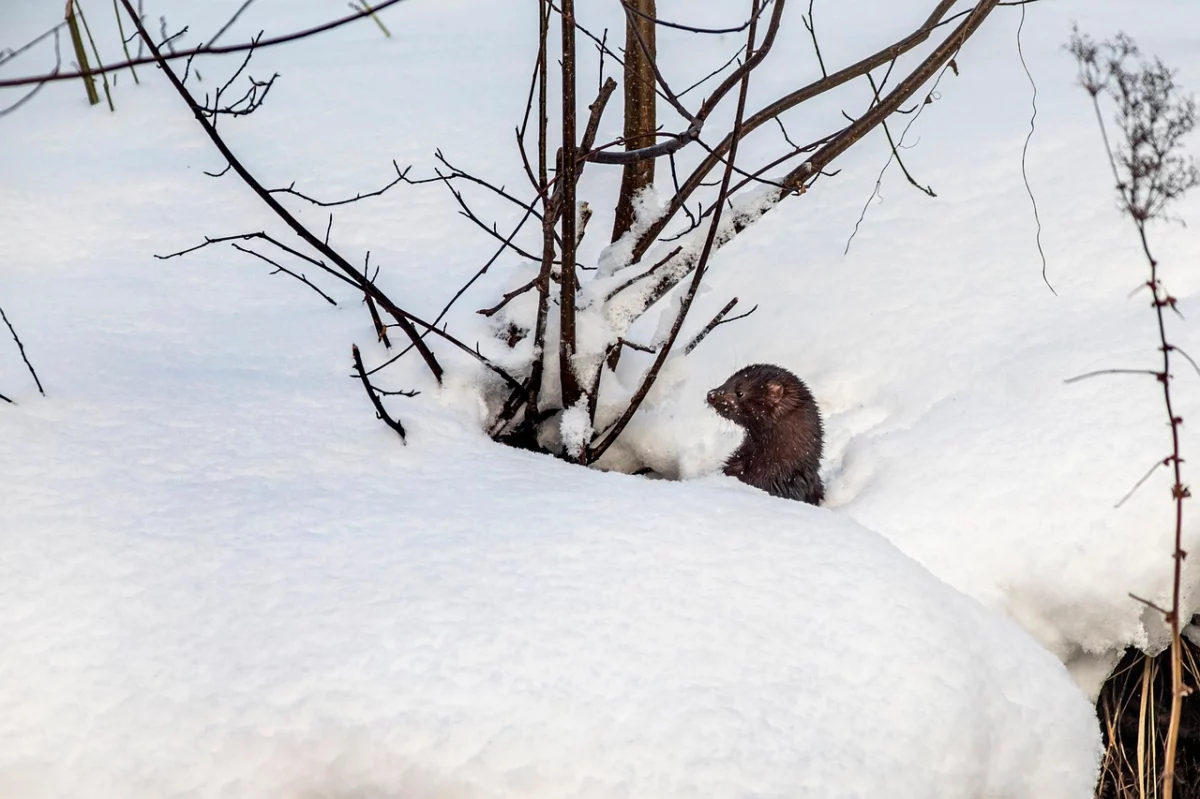
Reports of an H5N1 mink farm outbreak in the United States demand attention for a reason that extends beyond the affected animals. Mink are highly susceptible to several respiratory viruses, live at high densities on commercial farms and can support rapid transmission after a pathogen enters a facility. Those conditions may give an avian influenza virus repeated opportunities to adapt to a mammalian host. An outbreak is therefore not proof that a human pandemic is imminent, but it is a preventable experiment in viral evolution—and one that authorities cannot afford to observe passively.
The immediate debate concerns whether infected and exposed herds should be culled urgently. A defensible answer depends on confirmed diagnostics, the extent of transmission, worker exposure, animal movement records and the feasibility of strict containment. Yet delay also has a cost: every transmission cycle increases the opportunity for selection, while ordinary farm activity can move contaminated material among barns, properties and surrounding wildlife. The most credible policy combines rapid depopulation where infection is confirmed, humane methods, fair compensation, genomic surveillance and transparent occupational-health monitoring.
Why avian influenza in farmed mink changes the risk calculation
Influenza A virus subtype H5N1 is primarily associated with birds, but the current panzootic has produced infections in numerous mammalian species. Most mammalian cases appear to result from contact with infected birds, carcasses or contaminated environments. The critical distinction is between isolated spillover and sustained mammal-to-mammal transmission.
Mink deserve particular scrutiny because their respiratory biology and husbandry conditions can make them effective amplifiers. Thousands of animals may be kept in closely spaced cages, allowing droplets, aerosols, contaminated feed, equipment and workers to connect otherwise separate groups. Stress and concurrent disease can further complicate control. A virus introduced through raw poultry material, wild-bird contamination or another route may spread before obvious clinical signs trigger testing.
This is why captive mink have been described as potential pandemic
Frequently Asked Questions
Why are H5N1 infections in mink considered more concerning than isolated infections in other mammals?
Mink are unusually susceptible to respiratory viruses and are housed in dense populations where pathogens can spread through droplets, aerosols, equipment, feed and workers. Sustained transmission creates repeated opportunities for H5N1 to acquire adaptations favoring mammalian hosts. That does not mean a human pandemic is inevitable, but it raises the evolutionary risk beyond a single wildlife spillover.
Does an H5N1 outbreak on a mink farm prove that the virus is spreading efficiently between mammals?
No. Investigators must distinguish multiple exposures to infected birds or contaminated feed from true mink-to-mink transmission. Epidemiological patterns, animal movement records and viral genome sequences can help determine the route. Closely related viruses appearing across animals, barns or successive transmission chains would strengthen evidence of sustained spread, especially when no continuing avian source is found.
Why might authorities cull exposed mink that have not tested positive?
Testing can miss animals infected recently or shedding virus intermittently, while mink may transmit infection before clear symptoms appear. Exposed groups can therefore maintain hidden transmission even if initial samples are negative. Whether they should be culled depends on barn separation, contact histories, testing coverage and containment capacity, but waiting for every animal to become visibly ill may allow further spread.
What protections should mink-farm workers receive during an H5N1 response?
Workers should receive appropriate respirators and protective clothing, infection-control training, symptom monitoring and rapid access to influenza testing and medical care. Authorities may also consider antiviral treatment or prophylaxis under public-health guidance. Seasonal flu vaccination does not prevent H5N1, but it can reduce the chance of simultaneous infection with seasonal and avian influenza viruses.
How does genomic surveillance influence decisions about culling and containment?
Sequencing can reveal whether infections share a common source, whether transmission is continuing within or between farms, and whether mutations associated with mammalian adaptation are emerging. Results should be interpreted alongside farm records and exposure data because individual mutations do not automatically imply efficient human transmission. Rapid public sharing of sequences also helps independent researchers assess risk.
Could culling infected mink farms create additional risks for wildlife or nearby farms?
Yes, if depopulation, carcass handling and waste disposal are poorly managed. Infected material could contaminate vehicles, soil, water or scavenging wildlife. A safe response requires controlled movement, trained crews, disinfection, secure carcass disposal and environmental monitoring. Farms should also prevent escapes and restrict access by wild birds and mammals during and after the operation.