
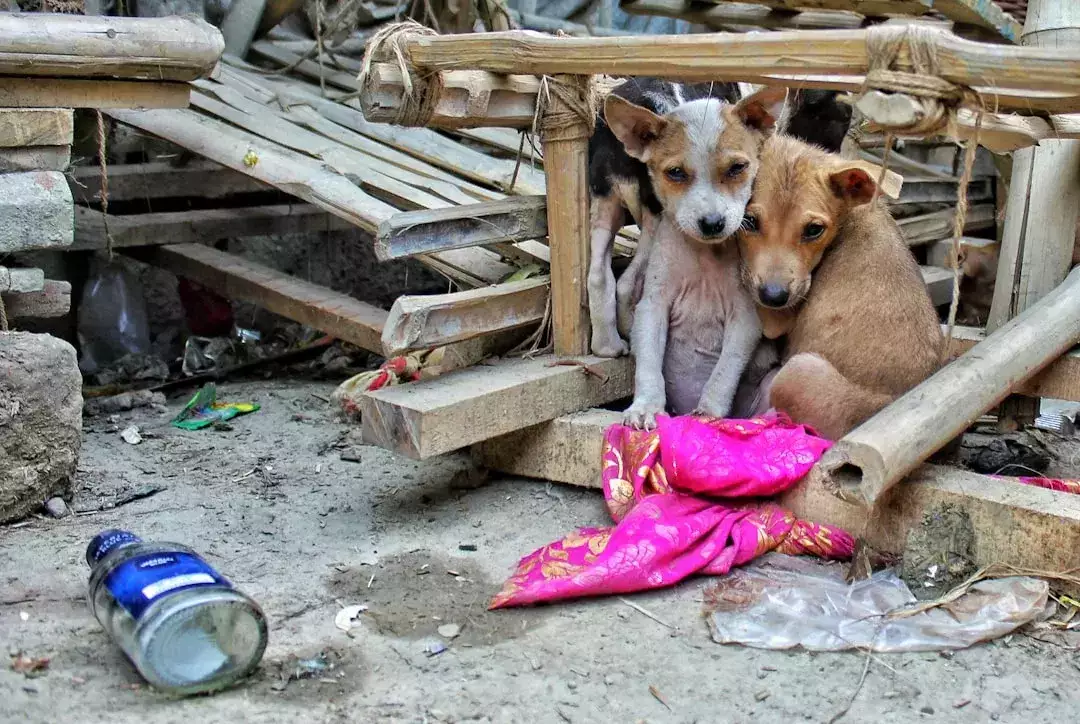
Why are rabies deaths rising? After decades of progress, rabies infections and fatalities are increasing again in multiple regions—and a consistent pattern is emerging: almost all cases coincide with large populations of stray dogs. This article offers an analytical critique of what goes wrong between policy and impact: where vaccination programs stall, why post-bite care fails, how surveillance gaps distort reality, and what a realistic
Frequently Asked Questions
If rabies is preventable, why are deaths increasing again even after past progress?
Rabies prevention depends on multiple layers—animal vaccination, access to post-bite care, and reliable surveillance. When any layer weakens, cases rebound. The article points to a recurring pattern: areas with large stray dog populations often see stalled vaccination efforts, delayed or incomplete post-bite treatment, and surveillance gaps that hide the true risk until outbreaks grow.
What is the specific role of stray dog populations in the rise of rabies cases?
Stray dog populations create sustained transmission by maintaining a large, hard-to-reach reservoir of susceptible animals. Where community-level dog vaccination coverage is inconsistent or stops, rabies can circulate for longer and spread through repeated bites. The key problem is not just “strays exist,” but that stray management and vaccination coverage rarely keep pace with population growth.
Why do vaccination programs “stall” in practice, even when they are planned?
Common failure points include funding interruptions, insufficient cold-chain logistics for vaccines, limited campaign frequency, and barriers to reaching free-roaming dogs. Some programs also focus on short campaigns rather than sustained coverage. The article emphasizes that partial efforts can temporarily reduce risk but fail to prevent rabies from returning when coverage drops.
What goes wrong between a bite and the receipt of lifesaving post-exposure treatment?
Post-bite care can fail due to delays, incomplete treatment, or low awareness of urgency. People may not seek care quickly, may face distance or cost barriers, or may receive guidance that’s not aligned with rabies protocols. Even where clinics exist, inconsistent availability of rabies vaccines or immunoglobulin can create critical gaps.
How can surveillance gaps distort the reported number of rabies cases?
If reporting systems rely on hospital or laboratory confirmation that is uneven across regions, many suspected cases never reach official records. Under-diagnosis is common where rabies is unfamiliar or mistaken for other neurological illnesses. The article highlights that missing data can make progress look larger than it is, then sudden improvements in detection can appear as “new outbreaks.”
What would a realistic solution look like given the failure points described?
A realistic approach is multi-layered: sustained stray dog vaccination with adequate coverage, reliable supply chains, and ongoing community engagement—not one-off campaigns. It also requires universal, fast access to post-bite treatment and consistent messaging to seek care immediately. Finally, strengthened surveillance should track bites, treatments, and outcomes so gaps are identified and corrected early.