
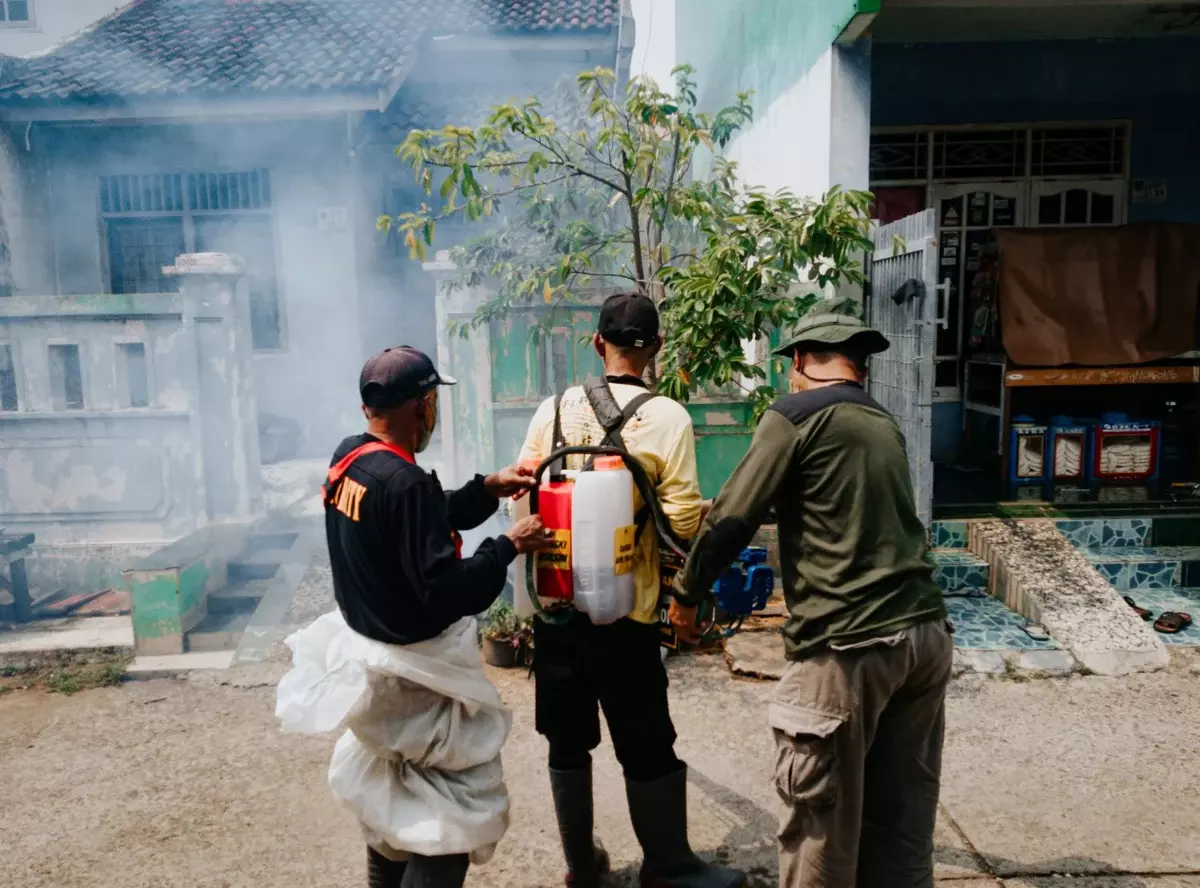
Indonesia’s wildfire season is no longer just an environmental headline; it is quickly becoming a respiratory health emergency. Reports have described tens of thousands of respiratory infections linked to wildfire smoke in just the opening weeks of the fire season, and experts worry that El Niño could extend and intensify the problem. The key question is not whether smoke harms people—that part is well established—but why the same pattern repeats each year with such limited control, and what practical steps can reduce damage while policymakers address root causes.
Indonesia Wildfires Respiratory Infections: Why El Niño Could Escalate the Health Crisis
This article takes an analytical critic stance: it separates verified mechanisms from assumptions, challenges
Frequently Asked Questions
Why does wildfire smoke lead to respiratory infections rather than only immediate irritation?
Smoke carries fine particles (especially PM2.5) and irritant gases that can damage airway lining, reduce mucociliary clearance, and weaken local immune responses. This makes it easier for infections to take hold or worsen existing conditions. So the impact is often cumulative: irritation can progress into bronchitis-like symptoms, and underlying risks can convert to clinically significant infections.
Is the El Niño effect mostly about more fires, or does it also make the smoke more harmful?
El Niño can contribute in two ways: it can dry fuels and extend dry-season burning conditions, increasing the likelihood and duration of smoke exposure. It can also change atmospheric patterns, affecting how smoke disperses and how long it stays concentrated over populated areas. The result is not just more smoke, but potentially higher exposure over time.
The article mentions that the harm is “well established.” What pattern keeps repeating each year with limited control?
A recurring pattern suggests a gap between available knowledge and enforcement, infrastructure, and response timing. Common drivers include persistent land-use and burning practices, uneven monitoring, and insufficient real-time public health actions during early days of smoke. Even when mechanisms are understood, coordination across agencies and rapid protective guidance often lag, allowing exposure to build.
Who is at greatest risk of severe health outcomes during wildfire smoke episodes in Indonesia?
The highest-risk groups typically include children, older adults, pregnant people, and people with asthma, COPD, heart disease, or diabetes. Those working outdoors are also more exposed. Smoke can trigger asthma attacks, worsen chronic lung inflammation, and strain cardiovascular health. In resource-limited settings, limited access to medications and medical evaluation further increases risk.
What practical steps can individuals and communities take right now to reduce exposure while policy solutions develop?
Households can reduce inhalation by staying indoors during peak smoke, improving ventilation choices, and using properly fitted respirators when available (ideally N95/FFP2 or higher-quality equivalents). Running air filtration where possible can help. Community actions include issuing early smoke alerts, organizing outreach for vulnerable residents, and preparing rapid access to asthma/COPD treatments.