
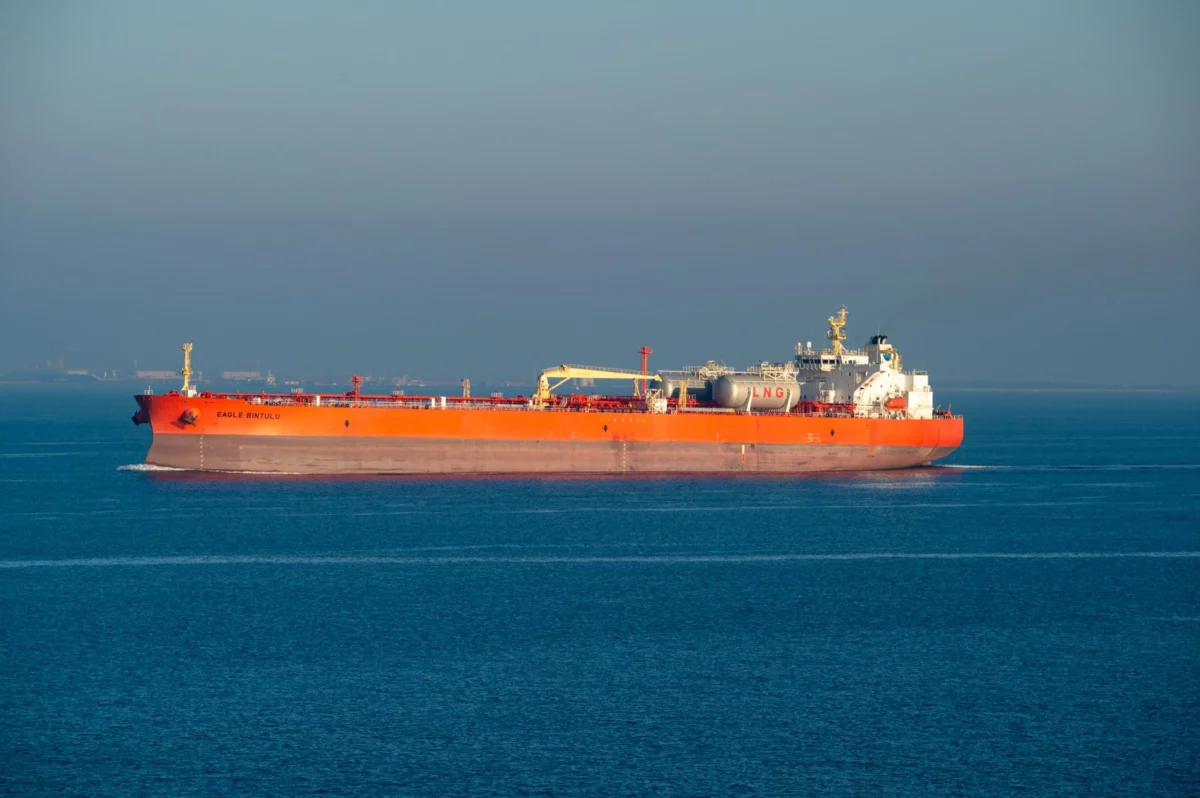
In 2026, many investors, shippers, and policy watchers are asking a focused question: what would an Iran exclusion zone in the Strait of Hormuz actually change on the water—and how might that ripple into energy prices? This article breaks down what an
Frequently Asked Questions
What does an “exclusion zone” in the Strait of Hormuz practically mean for ships?
An exclusion zone would be a declared area where certain vessels face restrictions—often requiring closer coordination, inspection, or avoidance. On the water, that typically translates into longer routes, changes to transit timing, and added operational steps. Even if not all shipping is blocked, the uncertainty alone can reduce efficiency and increase costs for carriers and charterers.
How would an Iranian exclusion zone affect shipping beyond the immediate area?
If ships must reroute or delay, the impact spreads to ports, schedules, and logistics chains. Slower or more variable transit times can trigger congestion and shift demand toward alternative routes. Carriers may also adjust risk premiums and contractual terms, which can affect availability of tonnage in nearby markets and raise final prices indirectly through freight and insurance costs.
Would an exclusion zone automatically lead to higher oil and gas prices?
Not automatically, but it can contribute through multiple channels. The key drivers are perceived disruption risk, shipping and insurance costs, and potential supply interruptions. Traders often price in the chance of reduced flows even before any physical outage occurs. If the market expects sustained constraints at the strait, price volatility and upward pressure become more likely.
What determines whether the exclusion zone meaningfully disrupts energy flows?
The disruption depends on enforcement intensity and how clearly restrictions are communicated. If compliance is patchy, operators may hesitate, slow down, or reroute voluntarily. If rules are narrow and predictable, disruptions may be limited to certain vessel categories or transits. The zone’s duration also matters: short episodes tend to affect prices less than prolonged uncertainty.
Could investors view the situation as “temporary risk,” or is it seen as a durable strategy?
Investors typically weigh credibility and incentives. If Iran’s stance appears tied to negotiations, exercises, or specific political milestones, markets may treat it as intermittent. If rhetoric and behavior suggest longer-term control and repeated enforcement, risk premia can persist. That difference affects whether prices spike briefly or remain elevated as expectations adjust.
Are there legal or diplomatic constraints that limit how an exclusion zone could be implemented?
Yes, at least in principle. Maritime navigation norms and international law concerns can constrain how broad or unilateral restrictions can be. However, real-world outcomes still depend on enforcement and the willingness of other states and commercial actors to comply or reroute. Even contested actions can have economic effects if shipping companies price the uncertainty.