
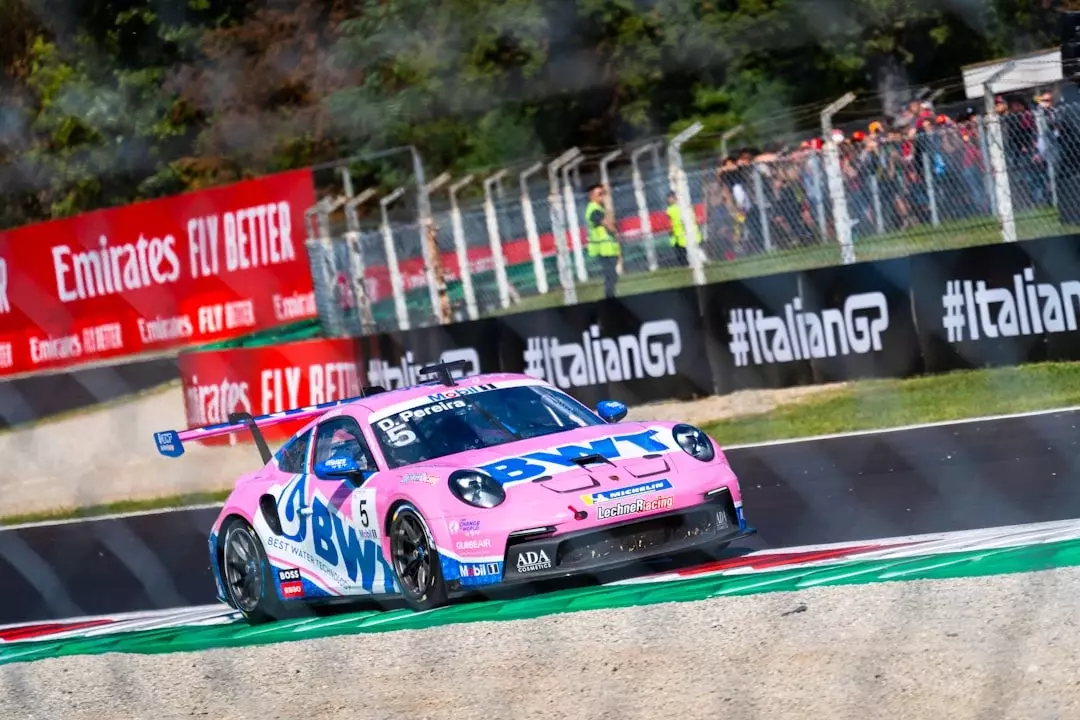
The reported Pierre Gasly pole position at the Italian Grand Prix would represent a striking qualifying upset, particularly because the supplied headline says he denied George Russell. Yet the source material contains only that headline: it provides no date, championship season, lap time, margin, weather conditions, session classification or official quotation. A credible analysis must therefore separate the stated result from the details that remain unverified. What can be examined responsibly is why such a result would matter, how Gasly could outperform an expected contender at Monza, and which evidence is needed before drawing conclusions about outright pace.
Pierre Gasly’s Pole Position: What the Report Establishes
The limited report makes two explicit claims: Pierre Gasly took pole for the Italian Grand Prix, and George Russell was denied first place. The wording implies that Russell was a leading candidate, possibly holding provisional pole before Gasly’s final attempt, but that sequence is not confirmed by the text.
Everything beyond those claims requires verification. The headline does not identify whether this was Formula One, another category, a conventional qualifying session or a sprint-related event. The association of both drivers with Formula One makes an F1 interpretation reasonable, but reasonableness is not the same as documentary proof. Readers should consult the official classification on the Formula 1 results archive and the relevant FIA timing documents when they become available.
A surprising pole is evidence of one exceptional qualifying result. By itself, it is not proof that the winning car has become the fastest package across every circuit or race condition.
Why an Italian Grand Prix Qualifying Upset Matters
The Italian Grand Prix is closely associated with the Monza Circuit, a venue defined by long full-throttle sections, heavy braking zones and relatively low-downforce aerodynamic configurations. Pole at Monza is not merely ceremonial. Starting at the front reduces exposure to first-lap congestion, contact and time lost behind cars running different wing levels.
Nevertheless, pole does not guarantee victory. The run to the opening chicane can create a strong towing opportunity for the cars behind. Tyre degradation, braking stability, pit-stop timing and race-day temperatures may also rearrange the competitive order. A car optimized for one qualifying lap can be less convincing over a full fuel stint, while a rival that sacrificed grid position for race balance may become stronger after the opening phase.
Gasly already has a prominent connection to Monza through the 2020 Italian Grand Prix, which he won after an unusual race shaped by interruptions and strategic consequences. That history would intensify the narrative around another major result at the circuit. It should not, however, replace technical analysis. Previous success does not explain a new pole unless current timing and performance data support the comparison.
How Could Gasly Take Pole at Monza?
The question how did Gasly take pole cannot be answered definitively from the supplied report. Several mechanisms could plausibly produce the result, and each would leave a different signature in telemetry, sector times and speed-trap data.
Low-Drag Efficiency and Straight-Line Speed
Monza rewards a car that generates sufficient cornering stability without carrying excessive aerodynamic resistance. Teams typically reduce wing levels, but removing downforce can make a car nervous under braking and weak over kerbs. The fastest package is therefore not automatically the one with the highest terminal speed. It is the car that achieves an effective compromise among drag, braking confidence, traction and tyre use.
If Gasly gained most of his advantage on the straights, efficient bodywork, power-unit deployment or a well-timed tow may have been decisive. A slipstream lowers the aerodynamic resistance encountered by a following car and can materially affect lap time at a high-speed circuit. The effect must be managed carefully: following too closely through a corner can reduce front grip, while beginning the lap too near another driver can create traffic or compromise preparation.
Tyre Preparation and Track Evolution
A qualifying tyre must enter the decisive lap within a narrow operating range. An aggressive preparation lap may generate surface temperature quickly but consume grip before the final sector. A conservative approach can preserve the tyre while leaving it too cold for the first braking zone. The correct method depends on compound behavior, asphalt temperature, traffic and the car’s energy input.
Monza sessions can also feature substantial track evolution as rubber accumulates and drivers refine their braking references. A late lap may benefit from improved conditions, although yellow flags, traffic or a loss of tyre temperature can erase that advantage. To determine whether Gasly’s result reflected persistent speed or optimal timing, analysts would need to compare his earlier runs with the final laps of Russell and other contenders.
Driver Execution Under Braking
Low-downforce cars are difficult to stop consistently. Small errors at the Rettifilo, Roggia or Ascari sequences can cost more than a dramatic-looking slide elsewhere because the resulting exit speed affects a long section of the lap. Gasly’s pole may therefore have depended less on one spectacular corner than on avoiding cumulative losses.
Russell’s defeat could likewise have resulted from a minor lock-up, an imperfect exit or insufficient tyre preparation rather than a broad performance deficit. Without sector splits and onboard footage, declaring one driver categorically faster would overstate the evidence.
Energy Deployment and DRS
Modern qualifying performance depends on how electrical energy is deployed around the lap as well as on combustion-engine output. Teams must avoid inefficient deployment that leaves a driver short of assistance near the end of a straight. The drag reduction system further reduces rear-wing drag in designated zones, making activation, setup and straight-line efficiency important components of the lap.
These systems do not operate in isolation. Lower drag can improve top speed but weaken braking stability; increased downforce can protect tyres in corners but make overtaking and defense more difficult. The best Monza qualifying strategy is consequently a whole-car optimization problem rather than a simple contest of engine power.
Why Russell’s Defeat Requires Context
The phrase George Russell Italian GP qualifying invites a direct comparison between the two drivers, but a headline cannot reveal whether Russell lost by thousandths or by a substantial margin. Nor does it show whether his final lap was representative. Traffic, deleted lap times, flags, mechanical concerns and mistakes can all alter the classification.
A rigorous comparison should examine four categories:
- Raw lap performance: overall time, sector splits, mini-sectors and speed-trap readings.
- Lap validity: track-limit decisions, yellow flags and any impediment investigation.
- Run conditions: tyre age, track temperature, tow strength and timing within the session.
- Repeatability: whether each driver produced similar performance on more than one attempt.
If Gasly was consistently near the front throughout qualifying, the pole would indicate genuine short-run competitiveness. If the result emerged from one late lap after faster rivals encountered disrupted runs, it would remain fully deserved while carrying different implications for the race. Motorsport analysis often fails by treating those explanations as mutually exclusive: excellent execution and favorable circumstances can coexist.
From Qualifying Pace to Race Prospects
A pole position gives Gasly control over the start procedure and clean air at the beginning, but Monza complicates conventional front-row advantage. Russell may receive a tow on the long approach to the first chicane, while Gasly must decide how aggressively to defend without compromising braking or inviting contact.
Race performance will depend on variables that a qualifying classification cannot answer:
- Long-run tyre degradation: especially whether low downforce produces sliding and excess thermal stress.
- Fuel-corrected pace: a car’s balance can change substantially when it begins the race with a heavier fuel load.
- Strategic flexibility: an early stop may avoid an undercut but expose the driver to a longer final stint.
- Traffic resilience: a car with strong single-lap speed may struggle when following turbulent air.
- Operational execution: pit stops, safety-car reactions and communication can overturn a track-position advantage.
The effect of disturbed airflow is rooted in racing-car automotive aerodynamics. A following car generally loses aerodynamic performance in corners, although the scale varies with regulations, design and distance. At Monza, that disadvantage is balanced against the benefit of reduced drag on the straights. This tension can produce tactical races in which leading is safest in braking zones but less advantageous before a major overtaking point.
What the Result Could Mean for Gasly and His Team
If confirmed, the Italian Grand Prix qualifying analysis would need to distinguish a circuit-specific breakthrough from a general improvement. Monza’s unusual demands can elevate cars that are less effective at high-downforce venues. A pole here may validate a low-drag package without proving that the same vehicle will lead at circuits dominated by medium-speed cornering.
For Gasly, the reputational value would still be significant. Qualifying offers a comparatively controlled test of precision because fuel loads are low and strategic variation is narrower than in a race. Beating Russell and the rest of the field would demonstrate that Gasly converted the available performance when pressure and track evolution were most demanding.
For the engineering group, the useful questions are more granular: Did a new wing reduce drag without destabilizing the rear axle? Was mechanical setup responsible for better kerb behavior? Did tyre preparation create the decisive gain? Those answers determine whether the achievement can be reproduced. Celebrating the position is rational; extrapolating a permanent hierarchy change before examining the data is not.
Evidence Readers Should Check Before Accepting the Narrative
Because the original item supplies no supporting detail, readers should treat its framing as provisional. The most reliable verification sequence is straightforward:
- Check the official session classification and confirm the event, date and competition.
- Review whether any lap times were deleted or reinstated.
- Examine steward decisions for impeding, technical or track-limit matters.
- Compare sector times rather than relying exclusively on the final order.
- Read direct driver and team comments in context, not as isolated social-media excerpts.
- Compare qualifying setup choices with race pace before declaring a lasting competitive shift.
This approach is especially important in motorsport, where a result can be official while the popular explanation for it remains incomplete. Timing data establish what happened; telemetry, operational information and informed testimony help explain why.
Frequently Asked Questions
Did Pierre Gasly officially take Italian Grand Prix pole?
The supplied headline states that Gasly took pole and denied Russell, but it does not include a date or official classification. The result should be checked against Formula 1 and FIA records before additional details are treated as confirmed.
Why is pole position important at Monza?
Pole provides clean air, reduced exposure to midfield incidents and control over the initial start. However, the long run to the first chicane can give following drivers a slipstream, so the advantage is meaningful rather than absolute.
Does a shock pole prove Gasly has the fastest race car?
No. Qualifying emphasizes low fuel, tyre preparation and peak one-lap execution. Race pace introduces heavier fuel, degradation, traffic, strategy and reliability. Consistent sector performance would strengthen the technical significance of the result but would not guarantee victory.
How can Russell lose pole despite having a competitive car?
A small braking error, weaker tow, traffic, tyre-temperature difference or unfavorable track evolution can decide a close session. Russell’s actual performance cannot be diagnosed without lap times, onboard footage and session context.
The Next Test Is Whether the Pole Survives Scrutiny
The most important insight is not simply that an underdog may have beaten a favorite. It is that exceptional qualifying results sit at the intersection of driver execution, circuit specialization, aerodynamic compromise and session timing. Gasly’s reported pole would be impressive on its own terms, but its broader meaning depends on evidence absent from the initial report.
The immediate points to watch are official confirmation, the size of the margin, sector-level consistency and race-stint performance. Over the following events, analysts should also test whether the apparent improvement transfers beyond Monza’s low-drag environment. If it does, the pole may mark a genuine technical step. If it does not, it can still stand as an example of precise execution at a circuit that rewards specialization.
The deeper unanswered question is whether modern competitive convergence is making such upsets more repeatable or merely creating narrower windows in which perfect timing can overturn the expected order. The race and subsequent circuits—not the headline alone—will provide the stronger answer.
SEO Data
Primary Focus Keyphrase: Pierre Gasly pole position
Related Keyphrase 2: Italian Grand Prix qualifying analysis
Related Keyphrase 3: George Russell Italian GP qualifying
Related Keyphrase 4: how did Gasly take pole
Related Keyphrase 5: Monza qualifying strategy
Primary Keyphrase Synonyms: Gasly Italian GP pole, Gasly qualifying victory, Gasly front-row start, Gasly fastest qualifying lap, Gasly Monza pole
SEO Title: Pierre Gasly Pole Position Denies Russell at Italian GP
Meta Description: Pierre Gasly’s pole position denies George Russell at the Italian GP. Explore the Monza factors, evidence, race implications and unanswered questions.
URL Slug: pierre-gasly-pole-position
Image Filename: pierre-gasly-italian-gp-pole-position.jpg
Image ALT Text: Pierre Gasly celebrating a reported pole position after Italian Grand Prix qualifying at Monza
Image Title: Pierre Gasly Italian Grand Prix Pole Position
Image Caption: Gasly’s reported Monza pole highlights the importance of low-drag efficiency, tyre preparation and precise qualifying execution.
Search Intent: News/current event and informational analysis
Frequently Asked Questions
How can readers verify whether Gasly actually secured pole at the Italian Grand Prix?
Check the official Formula 1 results archive, the FIA qualifying classification and published timing documents. These sources should identify the season, event format, lap times, margins and any penalties. Team statements and reputable race reports can add context, but they should not replace the official classification when confirming the result.
Would Gasly’s pole prove that his car was the fastest package at Monza?
Not necessarily. Pole establishes who produced the best valid qualifying lap, not which car has the strongest overall race package. Track evolution, tyre preparation, slipstreaming, fuel load and driver execution can influence one-lap performance. Long-run pace, tyre degradation and race results would be needed to assess broader competitiveness.
Why could a slipstream be especially important during qualifying at Monza?
Monza’s long straights allow a following driver to benefit from reduced aerodynamic drag behind another car. A well-timed tow can improve straight-line speed and lap time, but following too closely may reduce downforce under braking or compromise corner entry. Sector data and onboard footage would help determine whether Gasly benefited materially.
Why would Russell being denied pole require more evidence than the headline provides?
The phrase could mean Russell finished second, held provisional pole or was merely considered the favourite. Without the final classification, session chronology and lap margins, the exact meaning remains uncertain. Timing screens, qualifying reports and driver quotations are necessary to establish whether Gasly directly displaced Russell with a late lap.
Does starting from pole at Monza make Gasly the likely race winner?
Pole improves his chances by reducing exposure to midfield traffic and first-lap incidents, but Monza’s long approach to the opening chicane gives following cars a towing opportunity. Race pace, tyre wear, braking stability, pit-stop strategy, temperatures and safety-car periods can all overturn the qualifying order.