
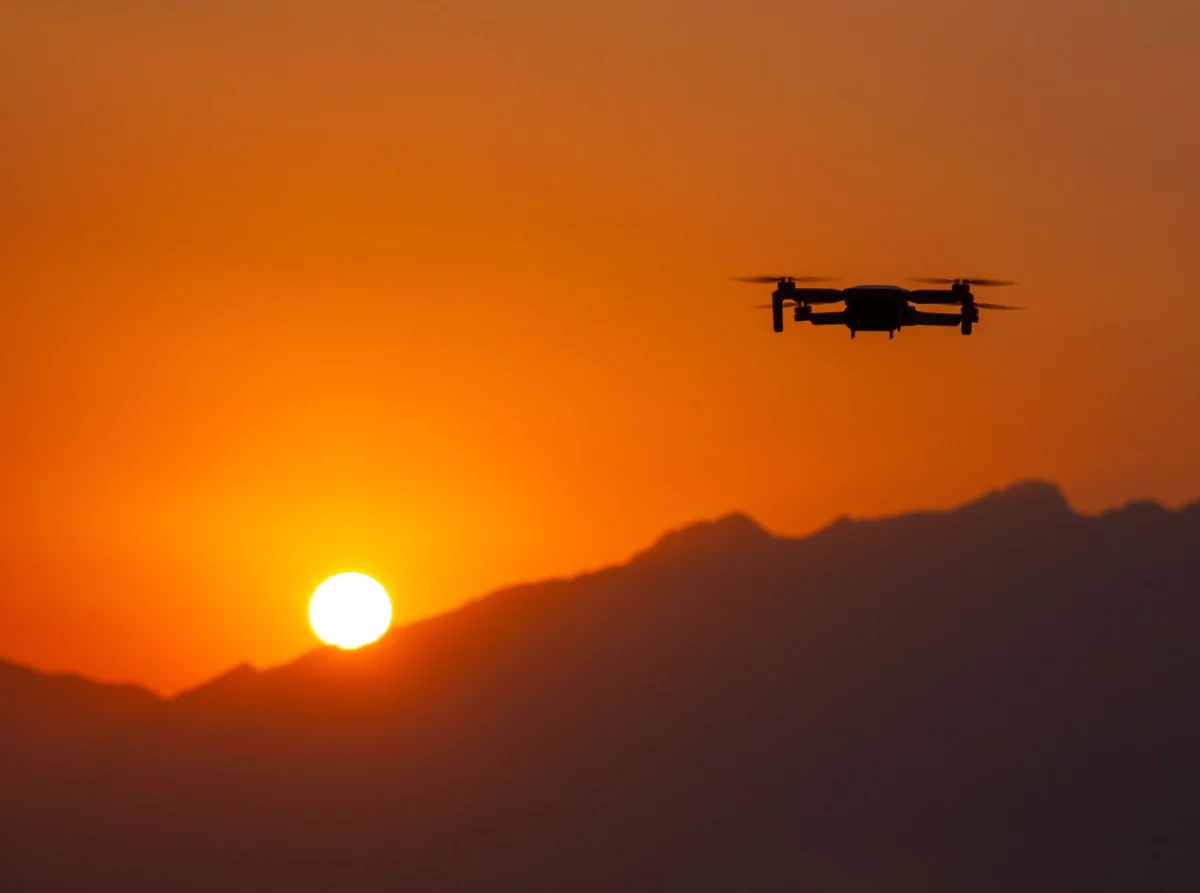
The UN investigators’ central claim is not subtle: foreign weapons and mercenaries fueling Sudan’s war are extending the conflict’s reach, while drone supplies to both sides are changing how battles unfold—and increasing the risk that serious violations of international humanitarian law will occur. This matters because Sudan’s tragedy is no longer just a domestic collapse of governance and security; it is also a system problem shaped by cross-border procurement, outside armed actors, and increasingly scalable battlefield technologies.
Foreign Weapons and Mercenaries Fueling Sudan’s War: What the UN Report Reveals
This article provides an analytical, critical breakdown of what such a finding implies for international law, evidence standards, civilian protection, and enforcement. It also asks a tougher question than
Frequently Asked Questions
What does the UN’s finding about foreign weapons and mercenaries actually change in how we understand the war in Sudan?
It reframes the conflict from a purely internal governance and security breakdown into a broader system problem. Cross-border procurement, outside armed actors, and third-party support can extend fighting beyond local disputes, complicate accountability, and increase the likelihood of serious international humanitarian law violations, especially where procurement and recruitment are harder to trace.
How might drone supplies to both sides alter battlefield tactics and the risks to civilians?
Drones can enable faster targeting, wider surveillance, and more scalable strike capability. Even when used for reconnaissance, they can lower the threshold for engagement, increase the tempo of operations, and make it easier to sustain lethal effects across a larger area. This can raise the risk of civilian harm and incidents that may violate distinction and proportionality rules.
Why does the article emphasize “evidence standards” alongside the UN’s claims?
Because allegations involving foreign weapons and mercenaries affect state responsibility and potential legal action. Higher evidence standards help distinguish confirmed supply chains and actors from claims that are speculative or politically motivated. Clear documentation—such as corroborated transfers, verifiable sourcing, and credible linkage to incidents—matters for any enforcement or accountability measures.
What legal implications follow when outside armed actors are identified as fueling the conflict?
Outside involvement can trigger multiple international-law concerns: potential breaches of international humanitarian law, violations related to prohibited assistance, and heightened scrutiny of recruitment and transfer networks. It can also complicate the “attribution” of conduct to specific parties, making enforcement harder unless investigators can show credible links between foreign actors, weapons supplied, and specific patterns of abuse.
How does the “civilian protection” aspect connect to foreign procurement and advanced technology like drones?
When conflicts are sustained by external weapons and scalable technology, civilian protection risks can increase even in areas far from government headquarters. The presence of drones may accelerate operations and reduce warning time. If procurement networks bypass safeguards, parties may disregard protections such as civilian distinction, safe routes, and limits on methods of warfare.