
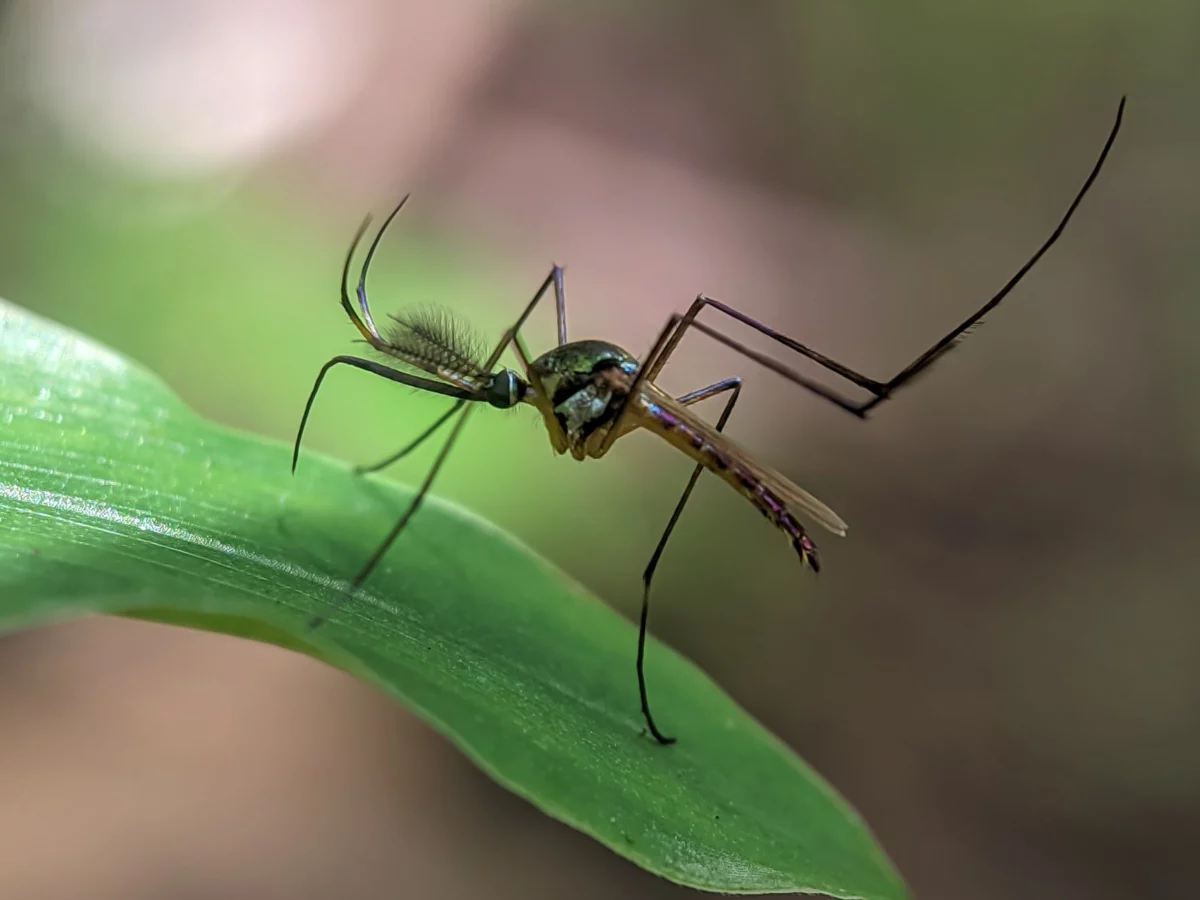
A recent report that Zika virus mosquitoes in Britain have been breeding for the first time is not a headline designed for alarm—it is a warning about how fast vector ecology can reorganize under climate pressure. If an established mosquito species associated with Zika can complete its life cycle in the UK, then the limiting factors that once kept outbreaks unlikely are no longer guaranteed. This article dissects what the evidence likely indicates, what it does not, and which practical public-health decisions matter most.
Zika Virus Mosquitoes in Britain: What the First Breeding Evidence Really Means
Why this headline matters: disease-carriers move when the rules change
In public debate,
Frequently Asked Questions
Does the first evidence of Zika-associated mosquito breeding in Britain mean people will soon have Zika outbreaks?
Not automatically. Breeding evidence shows that a mosquito can complete its life cycle under UK conditions, which lowers barriers for transmission. However, Zika spread still depends on additional factors such as viral introduction, how often infected people travel, mosquito feeding behavior, and whether enough mosquitoes survive long enough for effective transmission.
What exactly does “first breeding evidence” indicate, and what is it still missing?
It indicates that the relevant mosquito species (or a close associated one) can find suitable breeding sites and develop from egg to adult in Britain. What it typically does not confirm is that Zika virus is currently circulating locally, that infected mosquitoes are present, or that transmission to humans is occurring at a meaningful rate.
Why does breeding capacity matter more than just finding mosquitoes?
Finding mosquitoes can be a temporary presence, but breeding capacity signals a shift in vector ecology: local reproduction. That means mosquito numbers can increase across seasons, making human contact more likely. When climate or habitat conditions allow breeding, previous assumptions about low risk become less reliable.
How could climate pressure change the “limiting factors” that once reduced outbreak likelihood?
Limiting factors include temperature-dependent development speed, survival through cooler periods, and availability of breeding sites. Warmer conditions and longer seasons can improve survival and accelerate mosquito life cycles. That can reduce the time gap between generations and make outbreaks more plausible if the virus is introduced.
What practical public-health decisions should follow this type of evidence?
Public-health priorities often include intensified mosquito surveillance (targeting life stages and locations), rapid identification of species involved, and monitoring for virus introduction signals. Vector-control planning matters too—reducing standing water, improving public guidance, and coordinating responses so that if cases appear, measures can be deployed quickly.