
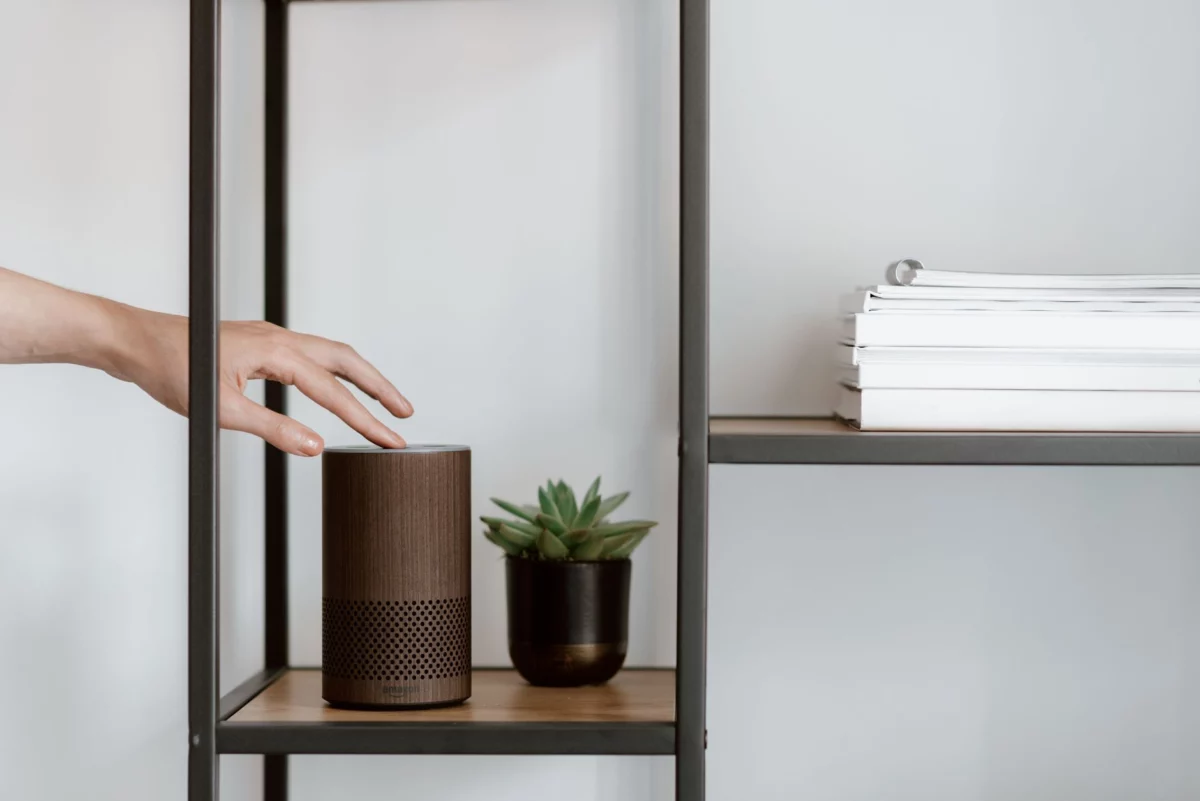
Choosing the right smart speaker gets easier when you know how it performs in real rooms—not just in spec sheets. After testing a range of Alexa-ready devices, these are the best Alexa speakers I’d recommend for different budgets, listening habits, and smart-home setups.
Whether you want room-filling sound, a compact bedside assistant, or a simple way to control lights and routines, the right pick can make everyday voice control feel effortless. For context, Alexa powers many of these experiences as a cloud-based voice assistant designed for hands-free interaction—see the overview on Amazon Alexa.
Best Alexa speakers: what I prioritized in testing
When I test smart speakers with Alexa, I focus on three things: how well the microphones pick up your voice, how natural the sound feels at normal volumes, and how reliably the device responds when your home gets busy. I also check setup friction, because
Frequently Asked Questions
How do you test Alexa speaker microphones in a real room (not a lab)?
I judge mic performance by how consistently Alexa hears commands from typical seating distances and angles, including background noise like TV audio, casual conversation, and common household sounds. I also check whether the speaker “grabs” your voice quickly when multiple people talk, so responses don’t feel delayed or require repeat phrases.
What does “natural sound” mean for music—especially at normal listening volumes?
Instead of judging only loudness or bass-heavy effects, I listen at the volume you’d actually use during daily life. I’m looking for clarity in vocals, balanced mids (so voices don’t sound hollow), and bass that feels controlled rather than boomy. This helps you avoid speakers that sound impressive in demos but tiring at home.
Which Alexa speakers are best for a busy home where multiple voices compete?
Reliability comes down to how well the mic array distinguishes your voice and how quickly the device confirms your request. In testing, I watch for false triggers, misheard wake words, and “missed commands” that force you to repeat. The best picks keep response times feeling consistent, even when the room is noisy or crowded.
Can these speakers really control lights and routines without extra apps or hassle?
Yes, but the level of setup friction varies by ecosystem. I check whether common smart-home tasks—like turning lights on/off, setting scenes, and running routines—work smoothly after initial pairing. If a speaker needs lots of extra steps to get basic automation right, I treat that as a real-world drawback.
Since Alexa is cloud-based, how should I think about reliability when the internet is spotty?
Cloud-based voice assistants usually need an internet connection for most speech understanding and for triggering many services. However, some smart-home actions may still work depending on device support and how your routines are configured. In testing, I note what still functions when connectivity is limited and whether the speaker degrades gracefully.
How do I choose between a room-filling speaker and a compact bedside option?
If you want fill-the-room audio—background music that still sounds good in kitchens and living areas—prioritize stronger output and wider sound coverage. For a bedside assistant, prioritize voice pickup accuracy, a clean speaker profile at low volume, and easy routine control for waking and bedtime. The “best” choice depends on where you listen most.