
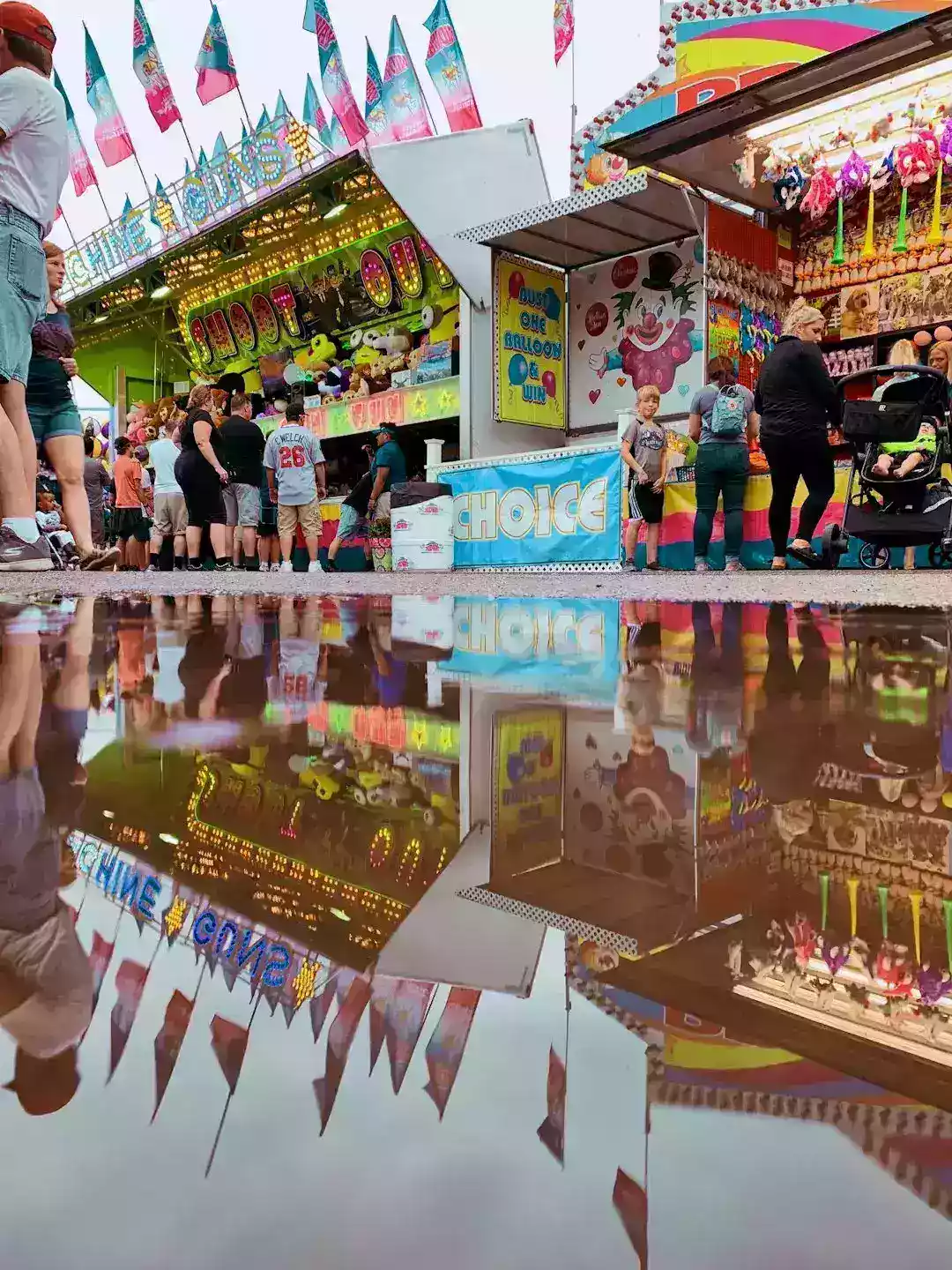
If you’re wondering what to do when the calendar turns and end-of-summer plans start feeling predictable, this guide to the Minnesota State Fair shows you exactly why people keep choosing it. You’ll learn how classic fair staples—food, live entertainment, and community agriculture—match the pace of modern life, plus how to plan a visit that feels effortless even when crowds spike. We’ll also connect the fair’s purpose to real-world outcomes like local learning, maker culture, and family traditions that don’t require a perfect itinerary. By the end, you’ll have a clear
Frequently Asked Questions
Why does the Minnesota State Fair still feel like “the best of summer” even as the year turns?
Because the fair recreates summer’s full rhythm in one place: iconic foods, live entertainment, and a visible sense of community. Even when end-of-summer plans start to feel repetitive, the State Fair blends familiar traditions with changing exhibits and performances, so it feels both nostalgic and fresh—without requiring you to plan an entire trip from scratch.
What’s the smartest way to plan a visit if I only have a couple of hours?
Pick one “anchor” experience and build around it. Choose either the food you’ve been craving, a main entertainment stop, or a specific agriculture exhibit, then allow time for browsing nearby vendors. Keep expectations realistic: a shorter visit works best when you focus on one core goal and treat everything else as bonus discoveries.
How can I make the fair feel effortless when crowds are likely to spike?
Aim for earlier arrival times and group your stops geographically so you’re not backtracking. Prioritize activities with clear start times, and keep flexible breaks for snacks or people-watching. If you’re going with family, decide on a simple meeting point. Good planning reduces friction, but the fair is designed for casual exploration.
What does “community agriculture” look like, beyond seeing animals or attending a single exhibit?
Community agriculture at the fair is less about one-off viewing and more about learning in a real-world setting. You’ll typically find hands-on themes, educational displays, and local connections that explain how products are grown, raised, and improved. It’s a way to understand where food and crafts come from while still enjoying the fair’s entertainment vibe.
Is the Minnesota State Fair enjoyable for people who aren’t mainly there for food?
Yes. While the food is a big draw, the fair also delivers on live entertainment, community agriculture, and maker culture that feels built for browsing. Visitors often find that they naturally switch interests—watching a performance, exploring crafts and local products, or joining family traditions—so the experience doesn’t rely on a single “eat everything” mindset.
How does the fair support local learning and maker culture in a way that feels meaningful, not just promotional?
The fair’s structure connects people to real skills and local contributors. Agriculture displays highlight practical knowledge, while maker and local vendor areas show creativity you can actually interact with. It’s not only about buying things—it’s about seeing process, learning what communities value, and bringing those experiences back into everyday family traditions.