
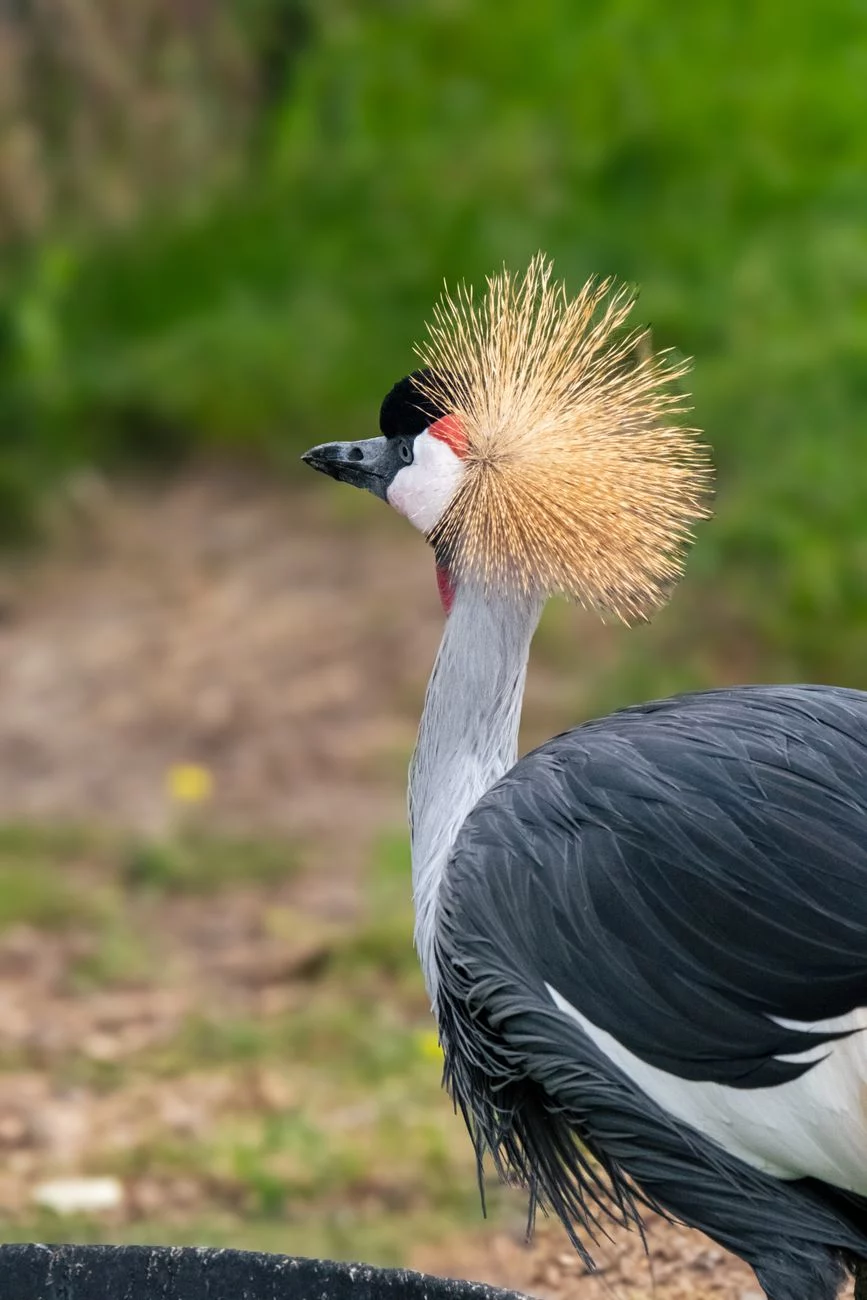
In this guide to a rare bird sighting in Irvine, California, you’ll learn how to identify what you’re seeing, what details to capture so the record is useful, and how to submit the sighting in a way researchers can verify. You’ll also understand why an exotic bird linked to the Caribbean and parts of South America can sometimes turn up far outside its typical range.
- Document behavior + context (time, exact location, habitat, and what the bird was doing) before you rush to an ID.
- Use structured bird-reporting tools so your photos and notes become searchable, verifiable data.
- Range-outsiders aren’t random—vagrancy often follows weather, wind drift, and seasonal movement.
What makes an Irvine rare bird sighting so unusual?
When a rare, exotic bird appears in a place it’s
Frequently Asked Questions
If I’m not sure the bird’s exact species, should I still report it?
Yes. Reporting is still valuable when you’re uncertain. Use your best ID attempt, note key field marks (size, color pattern, bill shape, wing markings), and include uncertainty in your description. Researchers can verify from photos and notes, and a “probable” species with good documentation often helps more than no report at all.
What details should I capture so my sighting is useful for verification?
Before rushing to an ID, document behavior and context: exact time, precise location, habitat type, and what the bird was doing (feeding, perched, flying, interacting). Add direction of travel if known. For photos, include both overall views and close shots of diagnostic features when possible.
How can I tell whether a rare bird sighting is likely a real vagrant or just a misidentification?
Look for evidence that matches your ID, not just color. Focus on structural traits (bill shape, leg color, wing pattern, tail shape) and compare with common local alternatives. Also consider the bird’s behavior and habitat. A well-documented, consistent set of traits plus a credible habitat and context makes verification much easier.
Why do birds from the Caribbean or South America show up in Irvine so far outside their normal range?
Range-outsiders can appear due to vagrancy—often triggered by weather and wind drift, or by seasonal movement. Strong winds and storms can push birds far from typical routes, while disruptions to breeding or food availability can lead to unusual dispersal. It’s not random; patterns in timing and conditions often explain it.
What’s the best way to submit the sighting so researchers can verify it quickly?
Use structured bird-reporting tools so your photos and notes become searchable, verifiable data. Include the basics (date, exact location, time, habitat) and upload images that show diagnostic features. If your notes are detailed—especially behavior and context—they’re easier to cross-check against other records and expert assessments.