
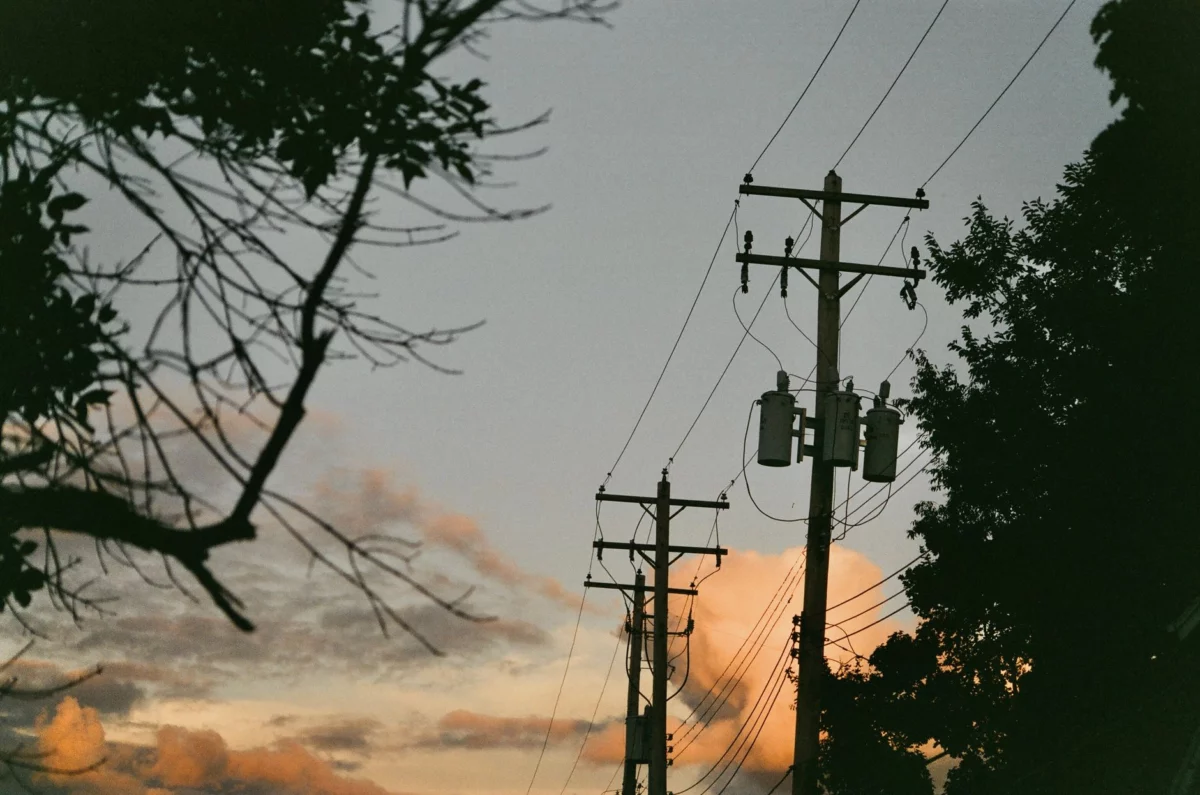
Dealing with a blackout after a storm is stressful—and it can be hard to know what’s happening behind the scenes. In this guide to storm power outage restoration, you’ll learn how utility crews assess damage, why some neighborhoods return sooner than others, how outage restoration teams coordinate repair work, and what practical steps you can take while you wait. We’ll also use the latest Southeast Michigan storm response details— including DTE Energy’s report that about 4,000 utility workers were focused on restoring service for tens of thousands of residents.
- Restoration follows a staged, safety-first workflow: assess, isolate, repair, then re-energize in the safest order.
- Crews prioritize critical circuits first, which can make restoration feel uneven block-by-block.
- Using official outage channels helps you avoid misinformation and get the most accurate restoration timing.
What is storm power outage restoration in Southeast Michigan, exactly?
Storm restoration is the coordinated process of getting the electric grid back to stable operation after damage to power lines, poles, transformers, and switching equipment. When strong winds, lightning, or heavy rain hit, outages can happen at multiple points in the system—downed conductors, flooded equipment, or equipment failures that trigger protections to keep the grid safe.
In the Southeast Michigan response referenced here, DTE Energy stated that around 4,000 utility workers were focused on restoring power for tens of thousands of residents over Saturday and Sunday. That scale matters because restoration isn’t one repair—it’s many tasks happening in parallel across substations, feeders, and field locations.
How do crews decide what gets fixed first during power restoration?
Utility restoration prioritization usually starts with safety and operational risk. Crews confirm the circuit is safe to approach, verify that lines are de-energized where needed, and address hazards like arcing, fire risk, or unstable poles before anyone can begin repairs.
Once the immediate hazards are under control, the focus shifts to restoring the largest number of customers as efficiently as possible. That typically means working on upstream components—such as substations, transmission tie points, or feeder sections—because getting one part of the system running can allow power to flow to many downstream customers.
After that, attention turns to the
Frequently Asked Questions
Why does my neighborhood come back online before a nearby street, even if the storm seemed the same?
Restoration is staged and safety-first, so crews may secure hazards and restart critical circuits in a specific order. Some areas depend on upstream components like substations or feeder sections before power can flow downstream. That means restoration can look uneven block-by-block, even when damage occurred during the same storm.
What does a utility crew actually do during “assess, isolate, repair, then re-energize”?
Crews typically begin by assessing damage and hazards, then isolating affected sections so equipment is de-energized where needed. Next comes repairs—such as fixing poles, conductors, transformers, or switching equipment—followed by re-energizing the system in the safest order. This staged workflow helps prevent arcing, fire risks, and unstable conditions.
How do utility crews prioritize what to fix first during a Southeast Michigan storm restoration?
Prioritization starts with safety and operational risk. Crews confirm circuits are safe to approach, verify lines are de-energized, and address dangers like arcing or unstable poles. After immediate hazards are controlled, they focus on the components that can restore power to the most customers efficiently—often upstream items such as substation and feeder sections.
Why does the restoration timeline feel uncertain—can’t crews just finish one repair at a time?
Storm restoration involves many parallel tasks across substations, feeders, and field locations. With damage spread across the grid, crews coordinate work so that one area can’t safely re-energize until hazards are cleared and dependencies are met. That’s why updates may come in waves, reflecting progress across different stages and locations.
What’s the best way to track restoration timing without getting misled?
Use official outage channels, not rumors or social media posts, to get the most accurate restoration timing. Official updates reflect ongoing assessments, repair status, and re-energization sequencing. This is especially important because restoration is block-specific and staged, so assumptions based on nearby streets may be wrong.