
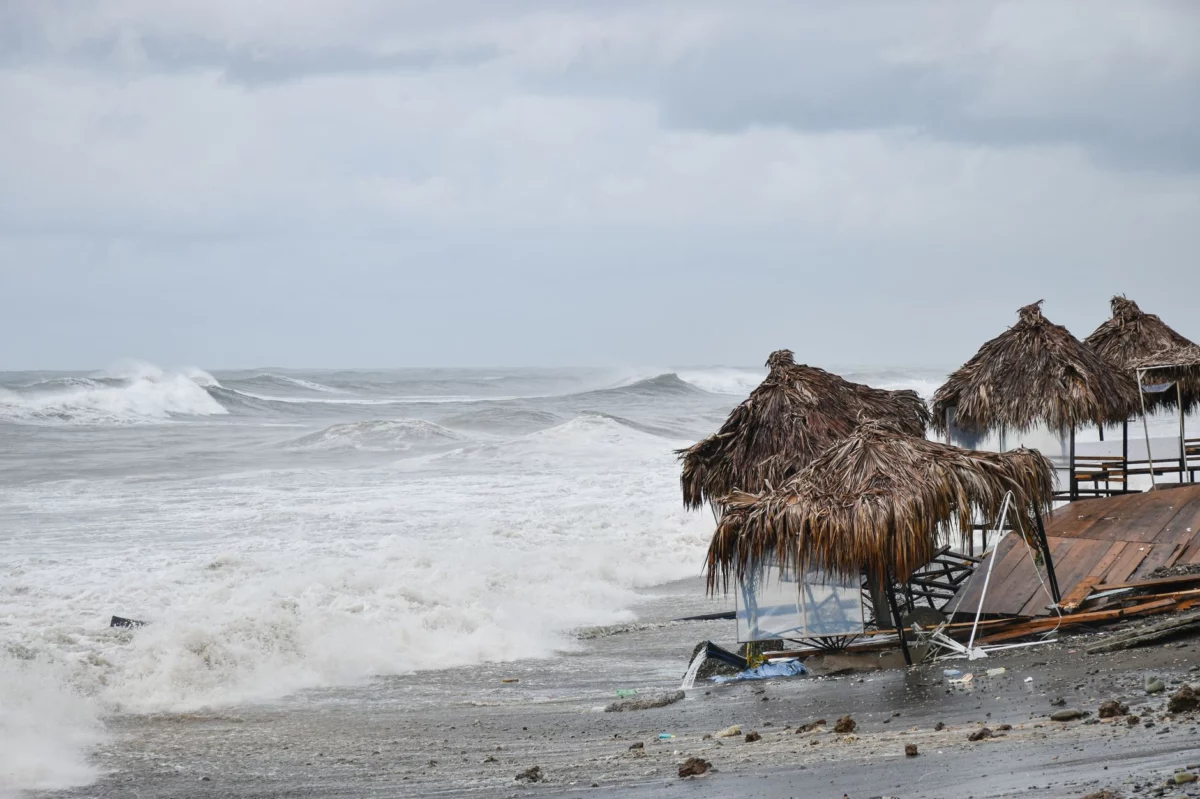
Tropical Storm Edouard’s Gulf Coast threat is a reminder that the
Frequently Asked Questions
What should Louisiana and Texas residents do immediately when a tropical storm like Edouard threatens?
Start preparing before the forecast tightens: review your evacuation zone, ensure your home is secured, and gather basics like water, nonperishable food, flashlights, batteries, prescription medications, and important documents. Make a plan for pets and transportation, and confirm how you’ll receive alerts (weather radio, phone alerts, local news). Don’t wait for evacuation orders.
How is a tropical storm different from a hurricane, and does that change the risk?
A tropical storm generally has lower wind speeds than a hurricane, but the hazards can still be severe. Strong rain can cause flooding, and coastal impacts like storm surge and rough surf can occur even with “only” tropical storm conditions. Wind damage is possible too, especially in weak structures or areas with downed trees and power lines.
What hazards are most likely along the Louisiana and Texas coasts—wind, storm surge, or flooding?
Coastal storms can bring multiple risks. Storm surge and high waves are major concerns near the shoreline and bays, potentially leading to dangerous, fast-moving water. Heavy rainfall can cause flash flooding and river flooding further inland. Even if wind speeds don’t peak, flooding and unsafe coastal conditions can remain the biggest threats.
Should people evacuate if they’re not directly in the forecasted landfall area?
Evacuation decisions depend on your local risk, not just a specific landfall point. Areas prone to storm surge, low-lying flooding, mobile homes, and locations with a history of flash flooding may require earlier action. Check local emergency management guidance and evacuation maps, and err on the side of leaving if local officials recommend it.
How reliable are tropical storm forecasts, and why can plans change quickly?
Forecasts improve as the storm gets closer, but uncertainty remains in the track, timing, and intensity even days out. Small changes in speed or direction can shift where the strongest winds, surge, and rainbands move. Keep checking updates from trusted sources and avoid locking into a single plan—be ready to adjust quickly.
What’s the safest way to prepare for power outages and communications disruptions?
Assume you may lose electricity and mobile service. Charge devices early, store power banks, and keep flashlights and batteries on hand. Use battery-powered or crank weather radios for alerts. If you have a generator, follow safe operation guidelines and place it outside to prevent carbon monoxide hazards. Keep a small, accessible bag for quick movement if conditions worsen.