
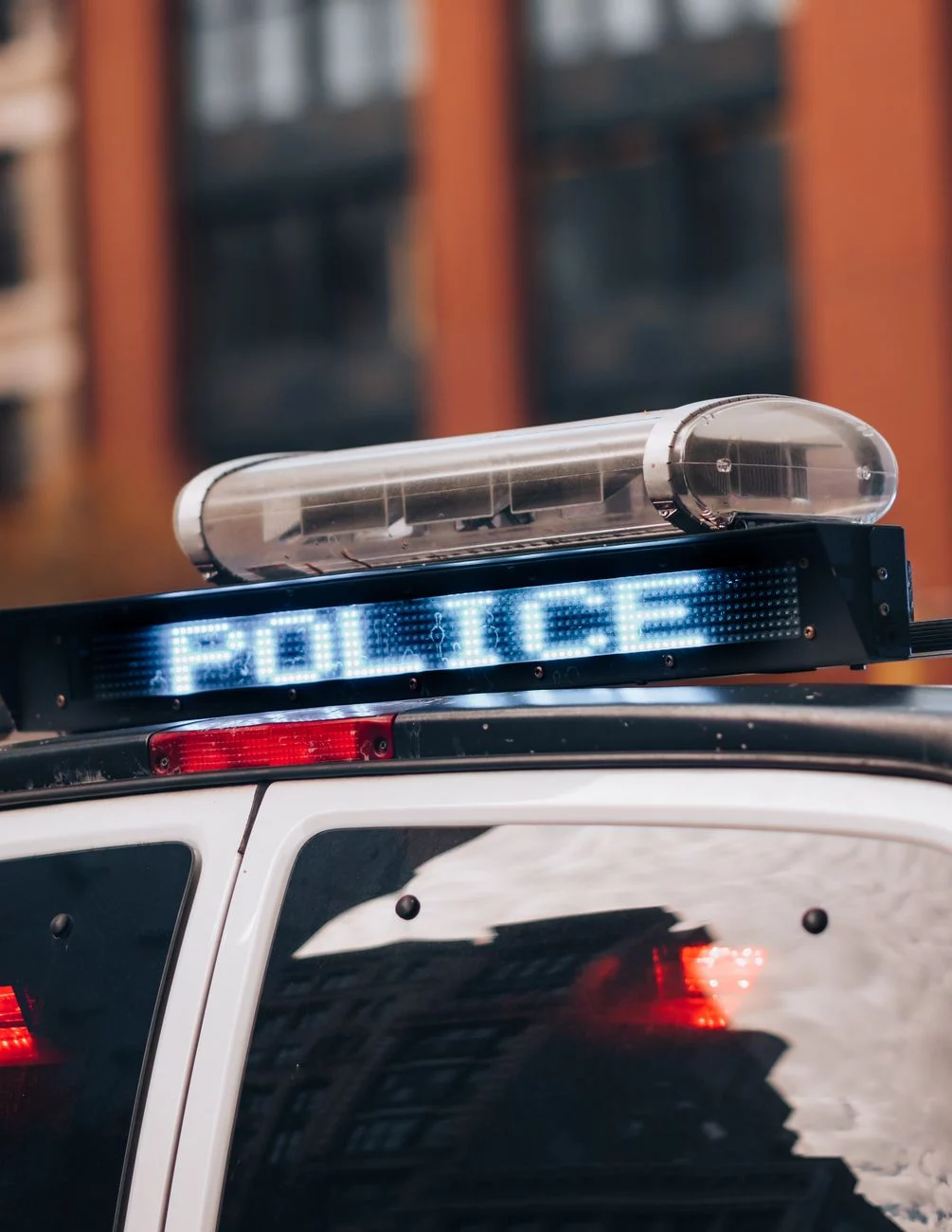
The shooting of a suspect in Times Square—after police allege she stabbed two people—highlights a recurring stress-test for modern policing: how agencies operationalize split-second force decisions inside dense, high-visibility environments where evidentiary material, civilian risk, and public legitimacy collide. This analysis is unique in that it treats the incident not as an isolated event, but as a systems problem spanning decision theory, investigative forensics, oversight mechanics, and crowd-dynamics constraints.
While every case is fact-specific, the operational and governance patterns around use of force are sufficiently documented to support a sharper critique than
Frequently Asked Questions
Why is a Times Square shooting described as a “systems problem” rather than just an isolated incident?
Because the same pressures recur: officers must decide on force in seconds, in a crowded, highly visible area, with incomplete information. The “systems” framing looks at how policies, training, investigative steps, and oversight interact—along with crowd dynamics and evidentiary limitations—so the public can judge both safety outcomes and legitimacy, not only the immediate confrontation.
How do police agencies evaluate split-second use-of-force decisions when evidence may be unclear?
Agencies typically rely on body-worn camera or other video, witness statements, radio logs, and forensic findings to reconstruct timing and perception. They also compare the decision to departmental policy and training. The key question is whether the officer’s actions were reasonable under the circumstances at that moment—not whether hindsight shows a different outcome.
What role do forensic and investigative steps play after a shooting of a suspect?
Forensics helps confirm what happened and reduce ambiguity—such as locating potential weapons, matching biological traces, and documenting injuries. Investigators also determine the sequence of events, including whether victims’ statements, suspect behavior, and officer reports align with physical evidence. This matters for both criminal accountability and for reviewing whether the force used was consistent with policy.
Why does the location and crowd density in Times Square affect policing outcomes?
Crowds increase the likelihood of bystander risk and limit clear sightlines, movement paths, and safe containment. Officers may face rapidly changing distances, obstacles, and people who cannot predict danger. Those constraints can influence what actions are feasible, how quickly officers can assess threats, and how effectively they can reduce civilian exposure while still addressing immediate safety.
How does public legitimacy and oversight influence how use-of-force cases are handled?
Oversight mechanisms—such as internal investigations, civilian review processes, and prosecutorial review—are meant to ensure decisions are explainable and consistent with law and policy. Public legitimacy depends on transparency about findings and standards used. Even when facts differ case by case, documented patterns can prompt policy changes when gaps appear in training, reporting, or evidence handling.