
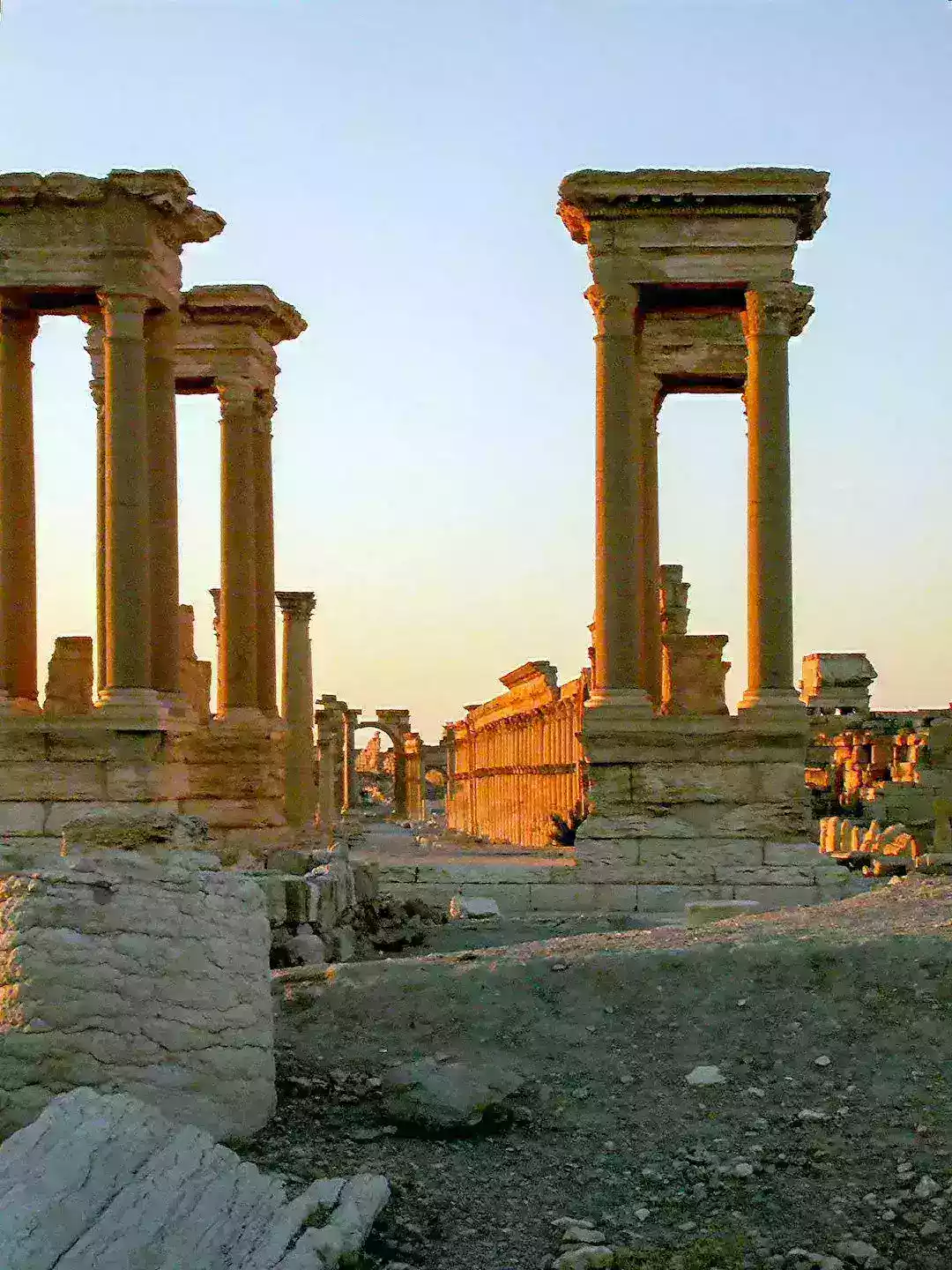
Egypt’s ancient wonders are often marketed as a checklist, but the evidence—architectural planning, landscape control, and dynastic religious continuity—supports a more demanding framing: the monuments are a connected system. This analysis treats an itinerary like a model to be validated, not a sequence to be consumed. The unique angle here is operational and interpretive at once: how route choice, temporal spacing, and logistics change what you can accurately perceive, not just what you can photograph.
For readers already familiar with the major sites, the critical problem is usually not
Frequently Asked Questions
What does it mean to treat Egypt’s monuments as a connected system instead of a checklist?
It means your itinerary should reflect how sites relate through architectural planning, controlled landscapes, and dynastic religious continuity. Rather than “visit each landmark,” you plan in a way that lets these relationships become perceivable. Route order, spacing, and context help you interpret connections that a simple checklist often hides.
How can evidence guide itinerary design when the main goal is sightseeing?
Evidence here is about what you can reliably observe, not just what exists historically. Architectural layout, visual control of landscapes, and recurring religious functions suggest the monuments were coordinated. Designing an itinerary as a “model to validate” means choosing timing and sequencing that reduce confusion and let patterns emerge from what you experience.
What is “operational risk” in the context of an Egypt itinerary?
Operational risk is when logistics and timing undermine your ability to interpret what you’re seeing. Examples include back-to-back long drives, rushed entries, or scheduling that ignores heat, crowds, or daylight. These issues can distort your perceived relationships between sites, turning evidence-based interpretation into guesswork.
Why does route choice affect what I can accurately perceive at Egyptian monuments?
Because visibility, travel fatigue, and contextual cues depend on where you start and what you see in sequence. Even if two sites are “near” geographically, the route can change lighting conditions, pacing, and how clearly you can compare spatial planning or landscape control. The result is that interpretation may strengthen or break depending on the path.
How does temporal spacing between visits influence understanding?
Temporal spacing helps you integrate details instead of compressing them. If you move too quickly, you may miss small shifts in alignment, materials, or how religious themes recur across reigns. Spacing also allows better note-taking and reflection, so the itinerary behaves like a validated model: you test connections through repeated, comparable observations.
I already know the major sites—what’s the “critical problem” this approach tries to solve?
For experienced travelers, the bottleneck is often not knowing the names, but interpreting relationships accurately. A checklist can confirm familiarity while failing to deepen evidence-based understanding. This approach focuses on operational choices—route order, timing, and logistics—so the network framing becomes visible, not merely acknowledged.