
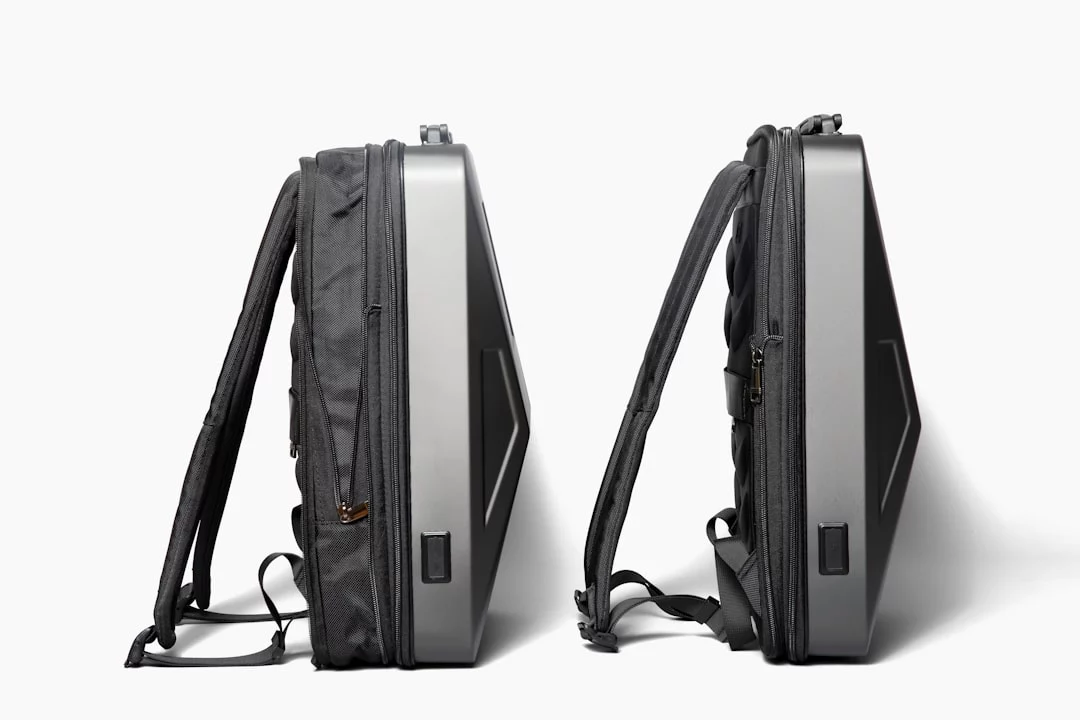
You’ve got a laptop, chargers, documents, maybe headphones—and you still need a bag that feels good at 8 a.m. and holds up past 8 p.m. The best laptop backpacks don’t just look professional; they protect your gear, distribute weight, and keep your essentials easy to reach.
Below, you’ll find a practical way to choose a work-and-travel backpack that fits your routine. Instead of chasing hype, focus on comfort, capacity, and organization that matches how you actually move.
Best laptop backpacks for work and travel: what to prioritize
To narrow down the right pick, start with three non-negotiables: comfort, protection, and organization. A great backpack should feel stable on your shoulders, protect your device during commutes, and help you find cables without unpacking everything.
Think of a backpack as more than storage—it’s a piece of everyday gear. The better designed it is, the less effort you’ll spend adjusting straps, wrestling zippers, or digging for small items. For background on fundamentals, see Backpack.
1) Comfort starts with fit and suspension
Even a perfectly sized bag will feel wrong if the fit doesn’t match your body. Look for padded shoulder straps, a supportive back panel, and a sternum strap that prevents side-to-side sway while walking or commuting.
If you’re sensitive to pressure points, prioritize breathable materials and a structured back panel. Ergonomics plays a role here—weight distribution affects comfort and posture. Learn more about the science behind it at Ergonomics.
2) Laptop protection: cushioned sleeve + secure access
A laptop backpack should keep your device snug without excessive bulk. A dedicated, padded sleeve helps absorb bumps, while a secure closure prevents accidental slips during transit.
Also consider how you access your laptop. A quick-access design can matter if you regularly pass through security or switch between desk work and travel. For context on device basics, check Laptop.
3) Organization that saves time
The winning bags earn their space with pockets that match real life: phone, power bank, keys, pens, adapters, and a small first-aid item. Aim for multiple compartments instead of one big bin where everything migrates to the bottom.
Search for tech-friendly organization such as an elastic cable management solution or dedicated areas for chargers. If weather is part of your routine, prioritize water resistance so you’re not scrambling when the forecast changes. For general waterproofing concepts, see Waterproofing.
Work-ready features that make a laptop backpack feel
Frequently Asked Questions
How do I know if a laptop backpack will feel comfortable all day, not just when I try it on in-store?
Comfort comes from fit and suspension. Look for padded shoulder straps, a supportive (ideally structured) back panel, and a sternum strap that reduces side-to-side sway while walking or commuting. If you get pressure points, choose breathable materials and a back panel that matches your posture. Weight distribution matters too—heavier items should sit higher and closer to your back.
What’s the difference between a “cushioned sleeve” and real laptop protection?
A dedicated padded sleeve helps absorb bumps, but protection also depends on how the laptop sits inside and how the bag closes. You want a snug, secure sleeve so the laptop doesn’t shift during transit. A closure that prevents accidental slips—plus stable internal padding—reduces the chance of edge impacts when your bag gets jostled.
Is quick-access for the laptop actually useful, or is it just a feature gimmick?
Quick-access can be a big deal if your routine involves frequent checkpoints or switching between work modes. If you often pass through security, you may want a design that lets you reach the laptop without fully unpacking. Similarly, quick access helps when you move between desk work and travel and need to grab or stow your device fast.
How much organization do I really need—would one large compartment be enough?
One large bin usually costs you time because small items migrate to the bottom and become hard to find. Multiple compartments aligned with real habits (phone, power bank, keys, pens, adapters) makes daily packing faster. Tech-friendly organization like cable management and dedicated charger areas also prevents tangled cords and reduces the “digging” that happens when everything shares space.
Do I need waterproofing, or is water resistance usually enough for commuting and travel?
For most commuters and travelers, water resistance is often the practical choice—especially if you deal with unpredictable weather. Prioritize a backpack that resists light rain and splashes so you’re not scrambling when forecasts change. If you frequently face heavy downpours, you’ll want stronger protection, but for everyday conditions, water resistance helps you keep documents and chargers safer.