
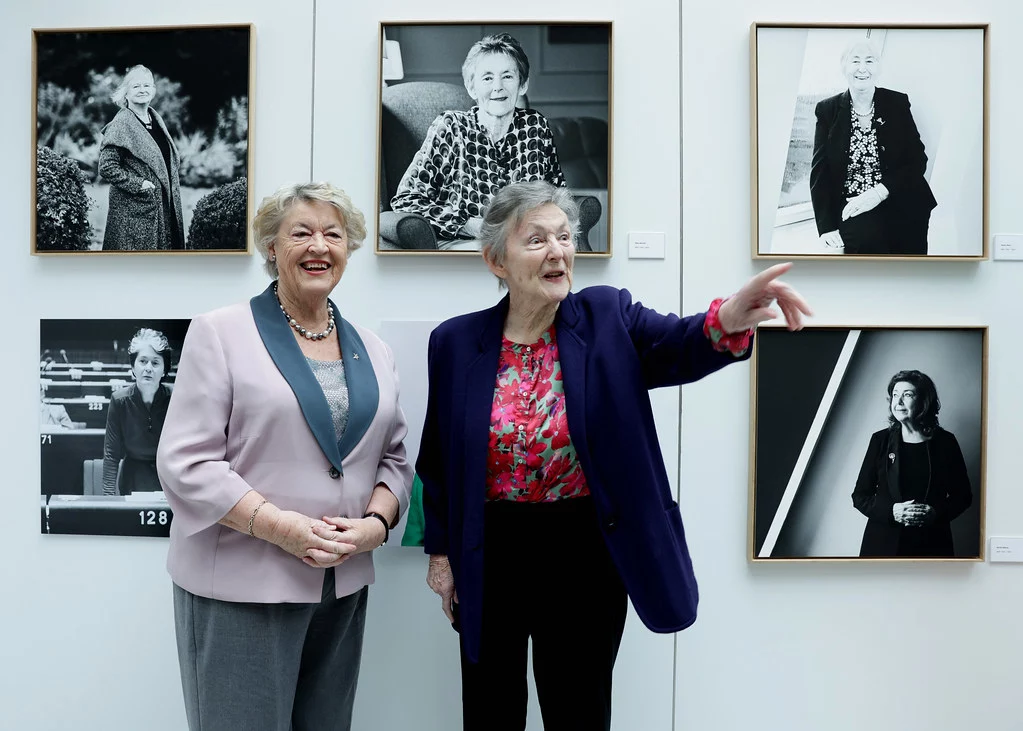
Lindy Cameron Foreign Office appointment is a powerful moment for British diplomacy: the Foreign, Commonwealth and Development Office has named its first female leader just as the department is being asked to do more with less. Cameron arrives with experience that cuts across cyber security, aid, and diplomacy, and that mix matters because the modern foreign policy agenda is no longer just about embassies and protocol. It is about digital resilience, development strategy, alliance management, and the ability to keep a bruised institution focused under pressure.
The appointment is also a reminder that the top of the British diplomatic machine is a highly consequential place. The permanent secretary in any major department shapes how policy is delivered, how staff morale holds up, and how ministers’ priorities become real-world action. In the civil service, that role is part strategist, part manager, and part crisis navigator. Cameron therefore inherits not just a job title, but a system that needs confidence, coherence, and political protection.
Why this appointment matters
Her selection signals more than a break in precedent. It reflects an understanding that diplomacy now overlaps with technology, economics, security, and public trust. The government’s foreign policy lead, Ed Miliband, has argued for a more purposeful and values-driven diplomatic posture, and Cameron’s background suggests an administrator who can make that style operational rather than merely rhetorical. The official FCDO presence on gov.uk underlines how central this department is to Britain’s global image and capability.
Frequently Asked Questions
Why does Lindy Cameron’s appointment matter beyond the fact that she is the first woman to lead the FCDO?
It matters because the role is not ceremonial. The permanent secretary helps decide how strategy becomes action across embassies, aid, security, and policy delivery. Being the first female leader is symbolic, but the bigger point is that Cameron brings a skill set suited to a department whose priorities now span far more than traditional diplomacy.
How can a background in cyber security be useful in a foreign office role?
Cyber security is now a core part of foreign policy because states face digital attacks, disinformation, infrastructure threats, and data risks. A leader with that background is better placed to connect diplomacy with national resilience, international cooperation, and crisis response. It also helps the department treat technology as a strategic issue, not just a technical one.
What does the permanent secretary actually do in the FCDO?
The permanent secretary is the top civil servant and the main link between ministers and the department. They oversee delivery, staff management, budget pressures, and coordination across complex policy areas. In practice, the job is about turning political goals into workable operations while keeping the institution stable and effective under scrutiny.
Why is the article stressing that the FCDO has to do more with less?
Because the department is being asked to handle more overlapping challenges while operating under tight resources. That means managing diplomacy, development, security, and digital threats without simply expanding the machine. The pressure makes leadership quality more important, since the FCDO must stay focused, efficient, and credible even when capacity is stretched.
Does this appointment suggest a change in how Britain will do foreign policy?
It suggests a shift in emphasis rather than a total reset. The appointment points toward a more integrated foreign policy, where diplomacy, technology, development, and alliance management are treated as connected. Cameron’s experience implies the government wants the FCDO to be more operational, adaptive, and aligned with broader strategic goals.