
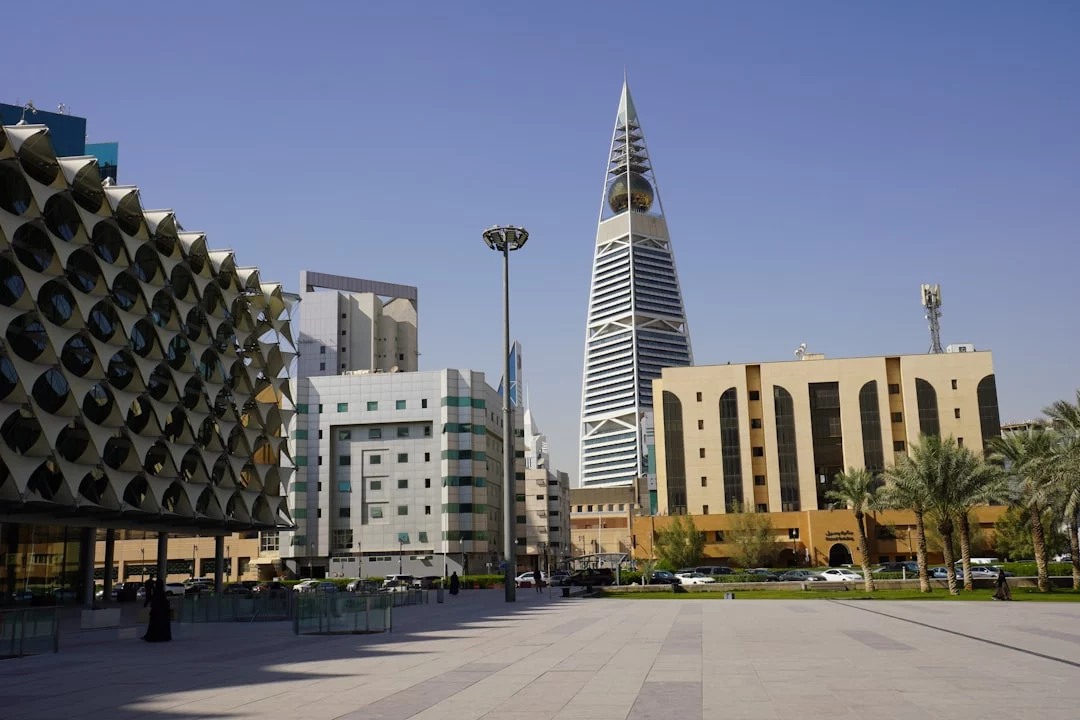
WTM Spotlight Riyadh has officially opened, creating a new international meeting point for travel professionals as Saudi Arabia accelerates its tourism transformation. This article explains who inaugurated the event, why its launch matters under Vision 2030, and what tourism boards, tour operators, investors, hospitality brands, and destination marketers should watch next. The inaugural gathering signals Riyadh’s growing influence within the global visitor economy and gives the travel trade another platform for building commercial relationships in a rapidly evolving market.
What are the key takeaways from the launch?
- Saudi Tourism Authority CEO Ageel AlShaibani opened the inaugural event on behalf of Minister of Tourism H.E. Ahmed Al-Khateeb.
- The event establishes a new international meeting place for the travel and tourism industry in Riyadh.
- Its arrival reflects Saudi Arabia’s wider destination development and economic diversification under Vision 2030.
Why does WTM Spotlight Riyadh matter to the travel industry?
WTM Spotlight Riyadh gives global and regional tourism stakeholders a focused setting in which to explore Saudi Arabia’s expanding visitor economy. Its significance extends beyond the ceremony: an industry meeting place can connect destination authorities with airlines, hotel groups, travel technology companies, tour operators, investors, and media professionals.
For international businesses, proximity matters. Meeting decision-makers in Riyadh can improve understanding of local demand, destination priorities, distribution channels, and partnership expectations. For Saudi tourism organizations, the platform offers an opportunity to communicate the country’s evolving proposition directly to the professionals who shape itineraries, investment decisions, air connectivity, and traveler awareness.
How does the opening support Saudi Vision 2030?
The event arrives within the broader framework of Vision 2030, which places tourism, cultural development, private-sector growth, and economic diversification among Saudi Arabia’s strategic priorities. The official Saudi Vision 2030 framework provides authoritative context for understanding why international tourism engagement has become increasingly important to the Kingdom.
Trade events can support that transformation by turning destination ambition into practical conversations. They create space for commercial agreements, knowledge exchange, market education, and product development—essential components of a tourism ecosystem that includes accommodation, aviation, attractions, events, heritage experiences, entertainment, and digital services.
Riyadh also carries strategic weight as the national capital and a center for business, government, investment, and major events. Hosting the inaugural spotlight there places tourism within a broader story of urban development and international engagement.
What does the inauguration reveal about Saudi tourism leadership?
Ageel AlShaibani, CEO of the Saudi Tourism Authority, officially opened the event on behalf of H.E. Ahmed Al-Khateeb, Minister of Tourism. That representation connects destination promotion with national tourism leadership, underlining the institutional importance attached to the launch.
The Saudi Tourism Authority plays a central role in presenting Saudi destinations to domestic and international audiences. An event built around professional exchange complements consumer-facing destination marketing because it addresses the travel trade responsible for packaging, distributing, selling, and supporting tourism experiences.
The inaugural status is equally meaningful. A first edition establishes a foundation rather than a finished legacy. Its long-term influence will depend on the quality of participation, relevance of discussions, strength of resulting partnerships, and ability to return with clear value for both Saudi and international organizations.
Which practical opportunities could emerge for tourism businesses?
Tour operators can use the platform to identify new itineraries and local partners, while hospitality companies may explore management, development, or distribution opportunities. Airlines and aviation stakeholders can evaluate destination demand, route potential, and connections between Riyadh and other tourism gateways.
Travel technology providers may find opportunities in booking infrastructure, data analysis, visitor services, payments, mobility, and experience management. Destination marketers can study how Saudi Arabia combines heritage, contemporary culture, entertainment, nature, business travel, and major events into distinctive audience propositions.
What evidence should industry observers track?
Rather than judging the event only by opening-day visibility, professionals should monitor tangible signals: announced partnerships, new tourism products, expanded trade relationships, improved destination distribution, and repeat participation. These indicators offer more useful context than promotional language alone because they show whether meetings develop into measurable market activity.
Businesses should also assess alignment between proposed opportunities and traveler needs. Accessibility, service standards, cultural interpretation, digital booking, transportation, seasonality, and responsible destination management all influence whether an ambitious tourism concept becomes a satisfying visitor experience.
How can travel brands prepare for Saudi Arabia’s next phase?
Organizations interested in the market should begin with disciplined research rather than assumptions. They can map relevant Saudi destinations, identify credible local stakeholders, review audience segments, and evaluate where their product or expertise solves a genuine need. Clear commercial objectives will make future trade-event conversations far more productive.
WTM Spotlight Riyadh opens a fresh doorway into one of tourism’s most closely watched transformations. The practical next step is to follow the partnerships and products that emerge from the event, then compare them with customer demand and organizational capabilities before deciding where—and how—to participate.
Frequently Asked Questions
Is WTM Spotlight Riyadh aimed at tourists or travel industry professionals?
The event is primarily a business-to-business platform for tourism boards, airlines, hotel groups, tour operators, investors, travel technology providers, destination marketers, and media. Unlike a consumer travel fair, its main purpose is to facilitate professional networking, market education, partnership discussions, product development, and potential commercial agreements.
Does the launch mean commercial partnerships have already been confirmed?
Not necessarily. The opening establishes a forum where relationships and negotiations can begin, but the article does not identify specific contracts or investments resulting from the event. Its practical impact should be assessed later through measurable outcomes such as signed agreements, new itineraries, increased air connectivity, investment commitments, and repeat participation.
Is WTM Spotlight Riyadh focused only on tourism within Riyadh?
Although Riyadh hosts the event and benefits from its status as Saudi Arabia’s business and government center, the platform can support tourism development across the Kingdom. National destinations, heritage sites, hospitality projects, events, and regional experiences may all gain exposure through conversations with international distributors, investors, airlines, and destination specialists.
How could international tour operators benefit from attending?
Tour operators can meet Saudi decision-makers directly, clarify partnership expectations, identify emerging destinations, and understand local distribution channels and visitor demand. They may also find opportunities to develop new itineraries, secure supplier relationships, assess accommodation and transport capacity, and gain current information needed to market Saudi travel products accurately.
How should the event’s long-term success be measured?
Success should extend beyond attendance figures or opening-day visibility. Useful indicators include the quality and geographic diversity of participants, partnerships formed, business generated, new tourism products launched, investment attracted, and improvements in destination distribution. The event’s ability to return regularly and deliver clear value to Saudi and international organizations will also matter.
Why is hosting the event in Riyadh strategically important under Vision 2030?
Riyadh connects tourism with government, investment, business, urban development, and major events. Holding the inaugural gathering there allows tourism stakeholders to engage near key institutions and decision-makers. It also reinforces Vision 2030’s broader aim of using tourism and private-sector participation to diversify the economy and expand Saudi Arabia’s international engagement.