
Ismail Kartal resigns after Roma draw, and the timing says as much about modern elite football as it does about one result. At a club like Fenerbahçe S.K., where expectation, identity, and pressure are always present, a 1-1 with A.S. Roma can be interpreted as either progress or failure depending on the boardroom lens. That tension is why the move has become a major story rather than a routine post-match update.
Why the resignation felt abrupt
An immediate exit after the final whistle is rare in top-level association football. Most coaching changes are delayed until a review, a board meeting, or a break in the schedule. When a manager steps away at once, it usually signals that the gap between the coach’s view of the project and the club’s view of success has become too wide to bridge.
In modern football, the result on the pitch is only part of the verdict; the club’s internal plan often decides whether a coach survives.
For Fenerbahçe, one of the most visible names in Turkish sport and a constant reference point in the Süper Lig, timing matters. When a manager steps down right after a European night, it suggests the decision was not only about 90 minutes but about accumulated pressure, expectations, and perhaps a disagreement over the direction of the project.
Background and context
İsmail Kartal has long been associated with pragmatic, results-first coaching. That profile can work at a club such as Fenerbahçe when the squad is stable and the margins are manageable. But when the team is trying to satisfy domestic demands and European ambitions at the same time, even a respectable performance can feel insufficient if it does not fit the wider plan.
European nights also magnify everything. A match framed by UEFA competition standards is judged not just by the scoreline but by control, resilience, and the club’s standing in European football. If the opponent is a heavyweight like Roma, the spotlight only grows brighter, especially when the dugout includes a figure as prominent as José Mourinho. In that setting, a draw is never just a draw.
The venue and atmosphere matter too. A night at the Stadio Olimpico or another major European ground becomes part of the pressure ecosystem. Supporters, media, and executives all read the same match through different lenses, and those readings often collide when expectations are high.
What the draw revealed tactically
The scoreline itself does not tell the full story. In a match of this size, a draw can be the right result if a team controls space, limits transitions, and creates high-quality chances. But for a football manager, the board usually asks a simpler question: did the performance move the club toward its targets? If the answer is uncertain, the result can still become a trigger.
From a tactical perspective, draws against elite opposition often expose the same issues: buildup under pressure, finishing efficiency, and defensive concentration after losing the ball. Those details matter because they are usually what separate a respectable European showing from a season-defining step forward. Football tactics are not just theory here; they shape hiring decisions, transfer priorities, and the patience level of decision-makers. Even a well-organised side can be judged harshly if the performance does not align with the club’s larger ambitions.
| What the draw may mean | Why it matters | Likely club effect |
|---|---|---|
| Emotional reaction | The timing suggests the coach felt the moment had become unsustainable | Short-term uncertainty around leadership |
| Structural issue | The resignation points to a possible mismatch in footballing vision | Questions about recruitment and planning |
| Strategic reset | A new voice can change the mood quickly | Possible short-term bounce, but no guarantee of stability |
That table matters because it shows how football outcomes are rarely single-cause events. The same 1-1 can be read as a decent away result, a tactical frustration, or a political turning point depending on the context inside the club.
What Fenerbahçe must manage next
An immediate resignation creates two problems at once. First, it forces the club to decide on a caretaker or interim solution. Second, it raises questions about continuity in the next phase of the season. In a league as demanding as the Süper Lig, and in a football economy where every managerial change reshapes recruitment, even a short interruption can affect confidence, training habits, and match preparation.
- Short-term stability: The squad needs a clear voice before the next fixture.
- Boardroom alignment: The club must define whether it wants immediate results or a longer rebuild.
- Squad fit: The next coach should suit the current players rather than force a wholesale reset.
- Communication: Supporters and media will judge how clearly the club explains the change.
There is also a governance angle. Modern clubs increasingly think like institutions, not just teams. A decision by a coach to walk away can be read as personal frustration, but it also tests the board’s process. Did the club and the manager share the same definition of success? Was the project designed for patience, or for immediate results? Those are the questions that outlast the scoreline.
For readers following this story, the key issue is not simply whether Fenerbahçe wins the next match. It is whether the club can explain what kind of football it wants to play and whether the next appointment matches that identity.
What this means for Turkish football more broadly
The wider lesson extends beyond one sideline. Turkish clubs often operate under intense public scrutiny, and major institutions such as the Turkish Football Federation sit inside a system where media pressure, supporter expectations, and short-term results can all collide. That environment can produce dramatic turnover, but turnover alone rarely creates stability.
Research and long-running patterns in sports management suggest that coaching changes may produce a temporary bounce, yet durable improvement usually depends on squad construction, clear roles, and boardroom alignment. The same logic applies at Fenerbahçe: replacing the manager may change the mood, but it will not automatically solve the structural issues that made the relationship fragile in the first place.
FAQ
Why did Ismail Kartal resign after the Roma draw?
The most likely explanation is that the draw crystallized a wider disagreement about expectations, performance, or the direction of the project. In big-club football, coaches rarely leave because of one scoreline alone.
Does a draw against Roma usually count as a bad result?
Not automatically. Against a strong European opponent, a draw can be respectable. But at clubs with title ambitions, context matters: chance creation, game control, and whether the result supports the season plan.
What happens next for Fenerbahçe?
The club will need short-term stability first, then a managerial decision that fits both the squad and the board’s expectations. The next appointment is likely to reveal whether Fenerbahçe wants a quick reset or a longer rebuild.
What this resignation really signals
The deeper lesson is that modern football punishes ambiguity. A draw against Roma may look acceptable on paper, but if the club and coach disagree about what the result means, the relationship can end instantly. Watch the next appointment, the tone of the board, and whether Fenerbahçe chooses continuity or reinvention; those choices will tell us whether this was a personal break or the first visible crack in a broader football strategy.
SEO DATA
Primary Focus Keyphrase: Ismail Kartal resigns after Roma draw
Related Keyphrase 2: Fenerbahce head coach resignation
Related Keyphrase 3: Fenerbahce vs Roma draw analysis
Related Keyphrase 4: Why did Ismail Kartal resign?
Related Keyphrase 5: Fenerbahce managerial change
Primary Keyphrase Synonyms:
Ismail Kartal steps down, Fenerbahce coach quits, Fenerbahce head coach exit, managerial departure, coach resignation
SEO Title:
Ismail Kartal Resigns After Roma Draw: What It Means for Fenerbahçe
Meta Description:
Ismail Kartal resigns after the Roma draw, and the timing raises bigger questions about Fenerbahçe’s strategy, pressure, and next move.
URL Slug:
ismail-kartal-resigns-roma-draw
Image Filename:
ismail-kartal-roma-draw-resignation.jpg
Image ALT Text:
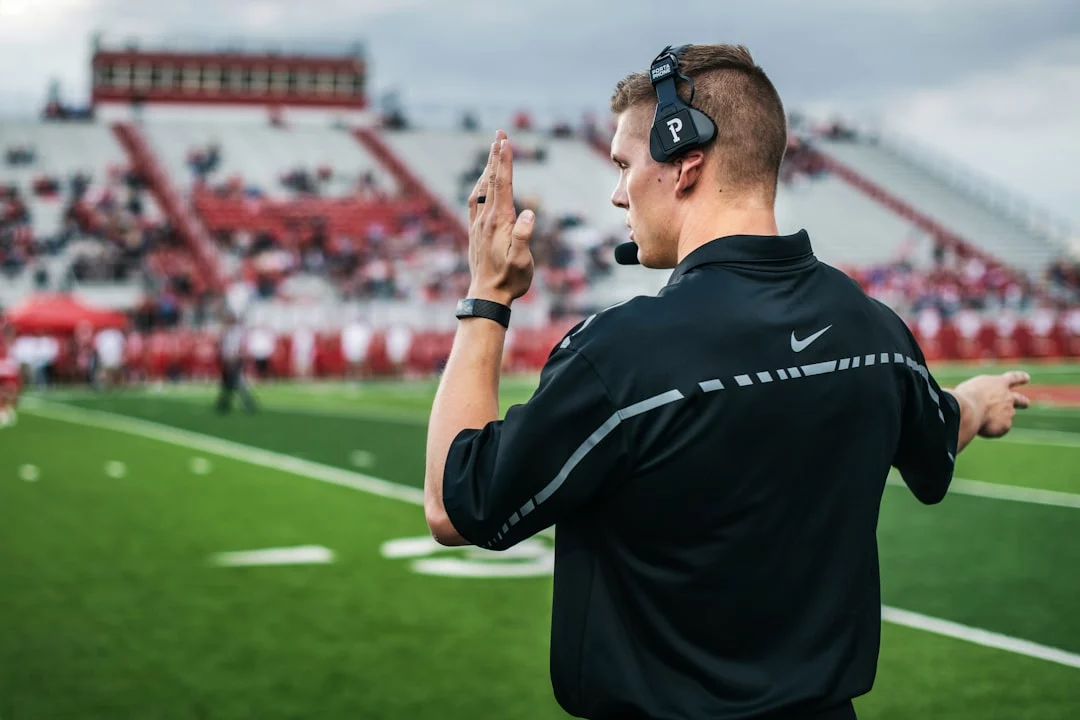
Football manager leaving the touchline after a tense European draw
Image Title:
Manager departs after Roma draw
Image Caption:
A sudden resignation can reveal deeper tensions than the final scoreline.
Search Intent:
News/current event with informational analysis
Frequently Asked Questions
Was İsmail Kartal’s resignation likely caused by the Roma draw alone?
Probably not. In elite football, a single draw rarely triggers an immediate resignation by itself. The timing usually points to a buildup of pressure, disagreement over the club’s direction, or a feeling that the project had already reached its limit. The Roma match may have been the final public moment, but the causes were likely deeper and longer-running.
Why can a 1-1 result against Roma still be seen as a failure at Fenerbahçe?
Because club expectations shape the verdict more than the scoreline does. At Fenerbahçe, especially in European competition, decision-makers may judge a match by dominance, control, and alignment with long-term ambition. A draw can look respectable externally, yet still feel insufficient internally if the team did not appear to progress toward a clear strategic target.
What does an immediate resignation say about the relationship between the coach and the board?
It usually suggests the coach and the board no longer share the same view of success or the same timeline for the project. When a manager leaves right after a major match, it often means trust has weakened or expectations have diverged. That kind of split is often structural, not emotional, even if the final trigger seems dramatic.
How might this decision affect Fenerbahçe in the short term?
In the short term, it can create uncertainty, especially around leadership, dressing-room morale, and upcoming match preparation. Sometimes a change produces a quick lift because players respond to a new voice. But stability is not guaranteed. The real effect depends on how quickly the club defines its next sporting direction and appoints a successor.
Why do European matches create more pressure than domestic league games for a coach?
European matches are judged on a wider stage and tend to carry symbolic weight beyond the scoreline. They affect the club’s image, its standing with supporters, and sometimes its long-term planning. Against a high-profile opponent like Roma, every tactical choice is amplified, so even a decent result can be viewed through a far harsher lens.
Does this resignation tell us anything about Fenerbahçe’s broader football strategy?
Yes, it suggests the club may be wrestling with the balance between immediate results and a coherent long-term project. If a coach known for pragmatism is removed after a respectable European performance, it can indicate that the board wants a different style, a different trajectory, or simply a stronger alignment between recruitment, tactics, and ambition.