
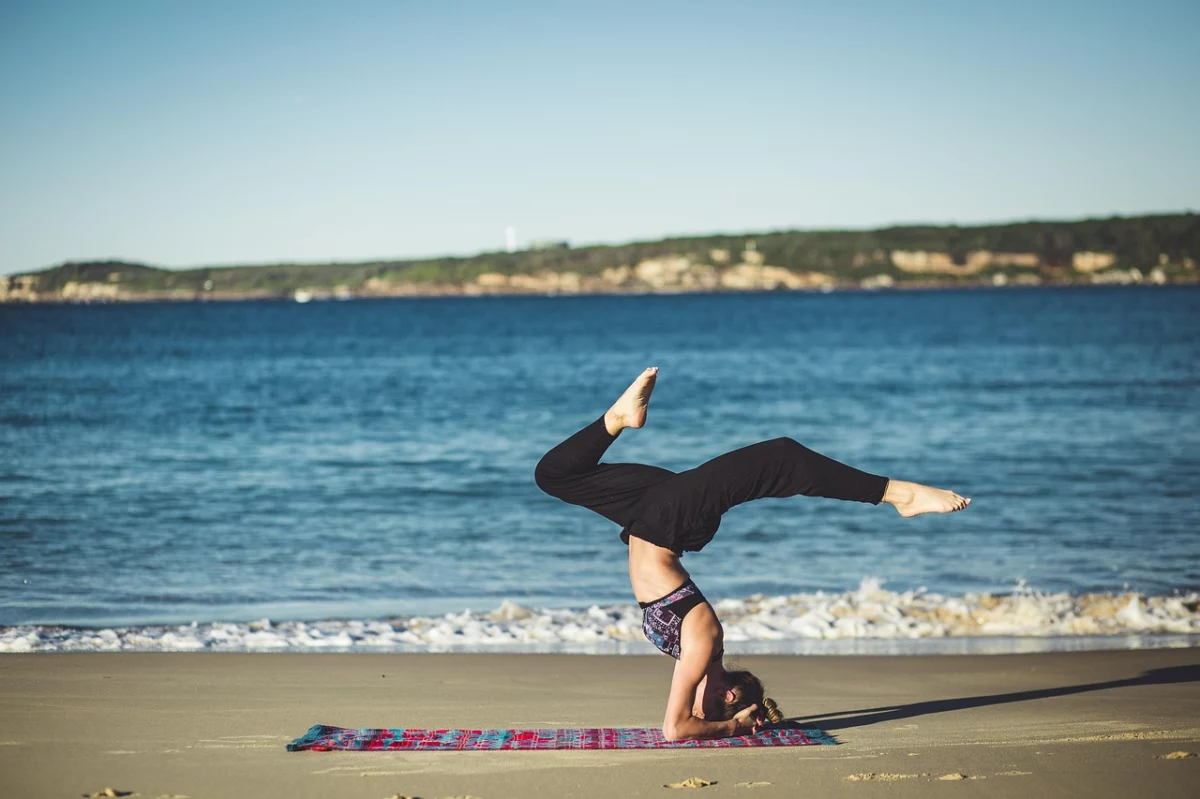
If you are looking for a winter yoga retreat that feels calm, grounding, and beautifully different from a standard hotel break, Redcastle Hotel’s return of its two-night wellness weekends may be exactly the reset you need. Returning in November 2026 and January 2027 from €345, the experience brings together yoga, meditation, sea swimming, and a sauna by the sea. In this guide, you will learn what the retreat offers, who it suits, why the coastal setting matters, and how to prepare so the weekend feels restorative from the moment you arrive.
Key Takeaways
- Redcastle Hotel’s winter wellness weekends return for November 2026 and January 2027, with rates from €345.
- The retreat combines yoga, meditation, sea swimming, and a sauna for a full-body coastal reset.
- It is ideal for travelers who want a short, meaningful break that supports rest, movement, and mental clarity.
- Cold-water activity should always be approached with care, preparation, and respect for local conditions.
What makes this winter yoga retreat feel so restorative?
A good wellness break does more than fill a weekend; it changes the pace of your mind. This winter yoga retreat is designed around that exact shift, using the natural contrast of sea air, mindful movement, and heated recovery to help guests slow down and reconnect with themselves. The setting matters as much as the schedule, because a coastal escape creates space that feels quieter, wider, and less demanding than everyday life.
Winter is often when travelers crave something deeper than a quick city break. They want warmth, but not just in the literal sense. They want a sense of renewal, and a coastal yoga weekend can offer that through the rhythm of breath, the stillness of meditation, and the unmistakable energy of the Atlantic edge.
What is included in the two-night wellness weekend?
The appeal of Redcastle Hotel’s retreat is its simplicity: two nights, a clear wellness focus, and a setting that makes the experience feel special without being overcomplicated. The package brings together yoga sessions, meditation, sea swimming, and a sauna by the sea, giving guests multiple ways to unwind rather than forcing a single style of relaxation.
That variety is important. Some people reset best through movement. Others need stillness. Some feel restored by cold-water immersion and the buzz that follows, while others prefer the calm of heat, breath, and slow recovery. The retreat meets those different needs in one weekend, which is part of why it appeals to both seasoned wellness travelers and curious first-timers.
Because it is a short break rather than a long residential retreat, it also fits the reality of modern travel planning. You can leave on a Friday or Saturday feeling tired, then return home with a clearer head, looser shoulders, and a stronger sense that your time off actually mattered.
How do yoga, meditation, sea swimming, and sauna work together?
The strength of this retreat lies in the way each element supports the next. Yoga helps mobilize the body after travel and work stress. Meditation quiets the mental noise that often follows busy weeks. Sea swimming adds an invigorating, sensory jolt that can make you feel vividly present. The sauna then softens that intensity, bringing warmth, ease, and a restorative finish.
Together, these experiences create a simple wellness arc: activate, notice, challenge, recover. That rhythm mirrors what many people seek from modern restorative travel, especially in 2026, when more travelers want experiences that feel embodied rather than purely passive. They do not just want to stay somewhere beautiful. They want to feel different when they leave.
Why the contrast between cold water and heat matters
Cold-water dips are not about bravado. They are about sensation, breathing, and awareness. When paired with a sauna, the contrast can feel especially rewarding because heat encourages relaxation after the shock of cold exposure, helping the body ease back into comfort.
That said, the experience should never be treated lightly. Coastal wellness is most rewarding when it is approached with respect, steadiness, and a willingness to listen to your body. The point is not to push through discomfort for its own sake. The point is to come back to yourself with clarity.
Who is this retreat best for?
This kind of weekend works well for people who want a break that feels nourishing rather than busy. It suits solo travelers seeking quiet, couples looking for a shared reset, and friends who would rather trade a loud night out for something more memorable and healing. It is also a strong choice for anyone who already enjoys yoga and wants to bring that practice into a more atmospheric setting.
Beginners can absolutely be part of the appeal, especially if they are open to trying sea swimming in a supported, thoughtful way. The key is mindset. If you arrive expecting luxury in the form of serenity, fresh air, and time to breathe, the experience can feel surprisingly generous.
Those with medical conditions, pregnancy concerns, or any uncertainty about cold-water immersion should seek appropriate guidance before taking part. A wellness retreat should leave you feeling safer and more grounded, not pressured to ignore your limits.
How should you prepare for a coastal wellness weekend?
Preparation is what turns a pleasant trip into a smooth one. For a winter yoga retreat by the sea, pack layers that are easy to remove and rewear, especially items that dry quickly after outdoor activity. A swim kit, a warm hat, thick socks, and comfortable clothing for lounging will make the weekend feel far less complicated.
It also helps to think in terms of recovery. Bring a water bottle, a reusable bag for damp gear, and anything that helps you transition gently between sea, sauna, and rest. If you are new to cold-water swimming, give yourself permission to go slowly and to focus on the experience rather than performance.
Simple practical habits that make the weekend easier
Arrive hydrated, eat enough to support your energy, and avoid packing the schedule too tightly before or after the retreat. Give yourself time to settle in, because the most powerful part of a wellness weekend is often the moment when you stop trying to do more and start noticing what you actually need.
Is cold-water swimming safe for everyone?
Sea swimming can be thrilling, but it deserves careful planning. The body reacts quickly to cold water, and local conditions can change faster than many travelers expect. That is why credible safety guidance matters just as much as the wellness narrative.
Public safety advice is clear: cold-water swimming should be approached gradually, with supervision where possible, and with attention to weather, tides, and your own ability. The RNLI cold water swimming safety guidance is a useful reminder that enjoying the sea and respecting it are part of the same mindset.
For retreat guests, that means choosing sensible entry points, listening to instructors, and not treating a scenic coastline as if it were a spa pool. The magic of the experience comes from careful preparation, not from ignoring the environment.
Why are coastal wellness weekends resonating so strongly in 2026?
Travel in 2026 is increasingly defined by intention. People still want beautiful places, but they also want a reason to go beyond sightseeing. A coastal wellness weekend meets that need by offering a compact, meaningful escape that feels personal rather than generic. It gives guests a way to rest that is active, sensory, and memorable.
That is especially true in winter, when many travelers feel the strain of short days, screen-heavy routines, and constant noise. A sea-focused retreat changes the emotional temperature of a trip. It replaces distraction with rhythm, and that can feel more valuable than a longer holiday with no clear sense of renewal.
Redcastle Hotel’s two-night format also reflects a smart travel trend: people want breaks they can actually use. A weekend is easier to commit to, easier to budget for, and easier to revisit if the experience works. For anyone exploring wellness travel in Ireland, that practicality is part of the appeal.
How can you make the most of your stay from the moment you arrive?
The best way to enjoy a retreat like this is to let it be simple. Do not arrive trying to optimize every hour. Instead, treat the weekend as a reset of pace. Let breakfast feel unhurried. Let yoga be about sensation rather than achievement. Let the sea be bracing, then let the sauna restore you.
If you are traveling with someone else, agree in advance that this is not a packed itinerary trip. The real luxury here is room to breathe. A well-designed wellness weekend is most powerful when you allow it to soften your habits, even briefly.
With dates set for November 2026 and January 2027, now is the time to decide whether you want an autumn-winter pause or a fresh start to the new year. Choose the weekend that best matches your schedule, pack for warmth and movement, and arrive ready to trade noise for sea air, stillness, and a genuine sense of reset.
Frequently Asked Questions
Do you need to be experienced in yoga or meditation to join this retreat?
No. The retreat is designed to suit both regular wellness travelers and complete beginners. The sessions are meant to be accessible, with enough structure to guide you and enough flexibility to let you move at your own pace. If you mainly want rest, the mix of yoga, meditation, and recovery still works well without any prior retreat experience.
Is the sea swimming part compulsory, or can you still enjoy the weekend without it?
You should not assume sea swimming is mandatory. Retreats like this usually appeal because they offer options rather than a single prescribed routine. If cold-water immersion does not suit you, the yoga, meditation, and sauna elements can still provide a restorative experience. It is always best to check the exact itinerary before booking.
How safe is winter sea swimming for first-timers?
It can be safe when it is done with proper guidance, suitable conditions, and respect for your own limits, but it is not something to approach casually. Cold-water exposure should be brief, controlled, and supervised where possible. Anyone with health concerns should seek medical advice first and avoid pushing beyond what feels sensible.
What should I pack for a winter yoga retreat by the sea?
Bring layered clothing, a warm coat, swimwear, flip-flops or easy footwear, and a towel or robe that is easy to change in and out of. A reusable water bottle, dry socks, and comfortable yoga clothing are also useful. For sea swimming, having extra warm layers for afterward makes the experience much more comfortable.
Why choose a coastal wellness weekend instead of a regular spa break?
A coastal retreat offers more contrast and atmosphere than a standard spa stay. The combination of sea air, movement, cold-water exposure, and heat creates a stronger sense of reset for many travelers. It is less about passive pampering and more about feeling awake, grounded, and mentally refreshed by the environment as well as the activities.
Who is this type of retreat best suited to?
It is ideal for travelers who want a short but meaningful break that feels purposeful rather than purely indulgent. People who are tired, mentally overloaded, or looking for a winter reset often benefit most. It also suits those who enjoy wellness experiences that blend calm, movement, and nature without requiring a long time away.