
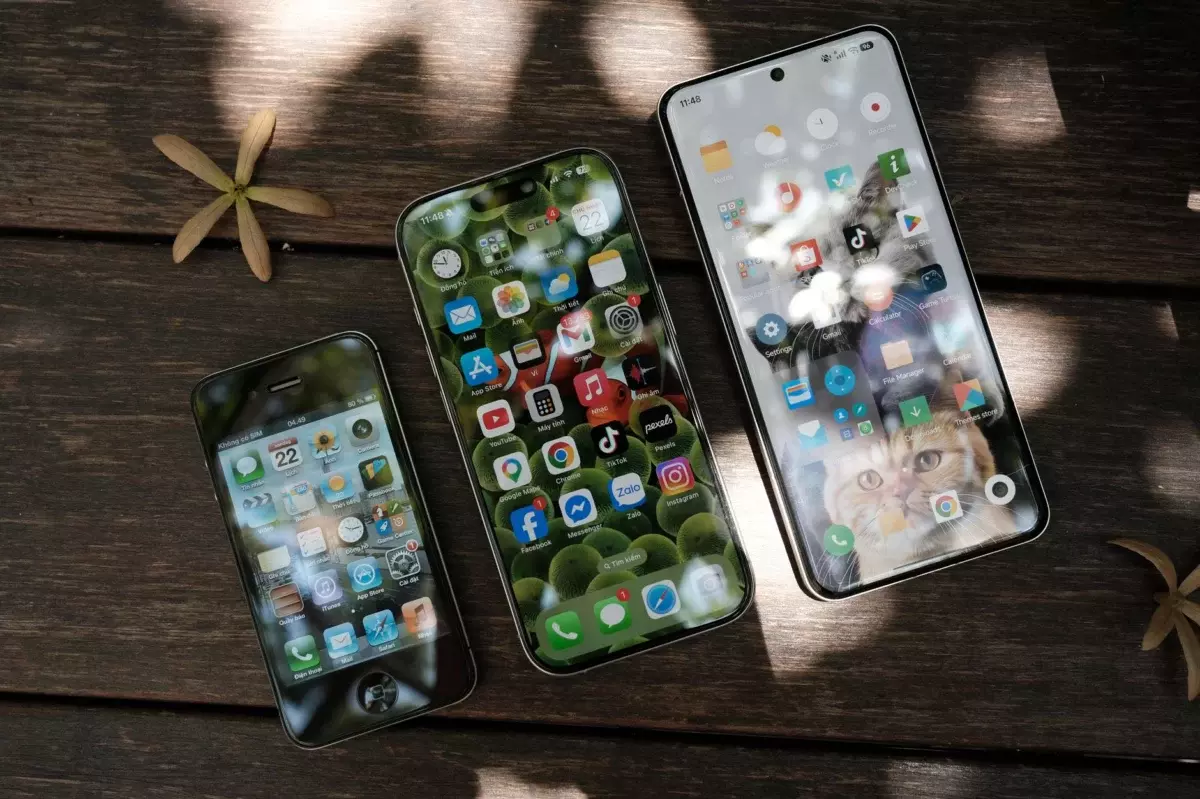
If you are trying to decide which iPhone 18 model should you buy, the real answer is not hidden in a single benchmark or camera spec. It depends on how Apple has divided the lineup: a mainstream model for most buyers, Pro models for people who want more headroom, and a folding iPhone Duo for users who care about a new form factor as much as raw hardware. That makes this year’s choice less about power and more about fit.
Apple’s iPhone strategy has always been built around tiered products inside Apple Inc.‘s ecosystem. The combination of iOS, the App Store, and tightly integrated hardware such as Apple silicon means even the least expensive model can feel fast. The decision usually comes down to display size, camera ambitions, battery expectations, and whether you want a conventional phone or something closer to a foldable smartphone.
That shift matters because modern smartphone buying is now a long-term commitment. Once you add in Face ID, 5G, USB-C, MagSafe, eSIM, and the broader Wi-Fi ecosystem, your purchase is not just a device. It is the center of your daily communication, work, photos, and payments.
How the iPhone 18 lineup appears to be structured
Apple’s product ladder is familiar, but the stakes are higher when a foldable enters the mix. The base model is meant to offer the most approachable entry point. The Pro tier typically adds better materials, a more advanced display, and a stronger camera package. The Pro Max is for people who want the biggest screen and the strongest battery experience. The Duo, meanwhile, is for users who want a device that can switch between pocketable and expansive in a way a traditional slab phone cannot.
That structure is useful because it makes the buying question easier to frame: do you want the best value, the best balance, the biggest screen, or the most flexible form factor? If you want to compare options directly, Apple’s own Compare iPhone models page is the most reliable starting point, and the company’s buy iPhone page shows the configurations currently available.
| Model | Best for | Main advantage | Main compromise |
|---|---|---|---|
| Standard iPhone 18 | Most buyers | Best value and familiar size | Fewer premium camera and display extras |
| iPhone 18 Pro | Power users and photography enthusiasts | Most balanced mix of features and portability | Costs more than the base model |
| iPhone 18 Pro Max | Media lovers and heavy phone users | Largest screen and strongest battery focus | Bulkier and usually the most expensive |
| iPhone 18 Duo | Early adopters and multitaskers | Foldable design with a new use case | Hinge complexity, potential durability tradeoffs, premium pricing |
Which iPhone 18 model should you buy?
The simplest answer is that most people should start with the standard iPhone 18 or the Pro. That is where Apple usually concentrates the best balance of price, day-to-day speed, battery life, and usability. If your phone is mainly for messaging, browsing, maps, streaming, and social apps, the base model will likely be enough. If you want more camera flexibility, a nicer screen, and a little more room to grow over the next few years, the Pro model is usually the safer buy.
The standard iPhone 18: buy this if you want the best value
The standard iPhone 18 is the right choice for buyers who want a modern iPhone without paying for features they may never use. In practical terms, that usually means a good display, strong performance from Apple’s silicon, reliable iOS support, and enough camera quality for everyday photos. For most people, this is the model that feels fastest in the hand and easiest to live with over time.
The tradeoff is that the base model is the first place where Apple can separate its best features from the rest. If you care deeply about telephoto zoom, advanced photography tools, or the absolute best display tuning, you may feel the limits quickly. But if your priority is getting the most phone for the money, this is the smartest starting point.
The iPhone 18 Pro: buy this if you want the sweet spot
The Pro model is usually the best all-round answer for readers asking which iPhone 18 model should you buy. It typically sits in the middle of the range where Apple’s premium materials, display upgrades, and camera improvements feel meaningful without becoming excessive. That matters if you use your phone heavily for work, travel, social media, or mobile photography.
In camera terms, the Pro line is where Apple often pushes its strongest camera phone ideas: better low-light performance, more versatile lenses, and sensor technologies that make editing easier after the shot. Some Pro users also value depth sensing and spatial accuracy from LiDAR, especially when they use augmented reality apps or need quicker focusing in dim scenes. If you want a premium phone without the size penalty of the largest model, the Pro is the most rational compromise.
The iPhone 18 Pro Max: buy this if screen size and battery matter most
The Pro Max is for people who treat their phone as a primary screen. If you read long documents, watch a lot of video, edit media on the go, or simply prefer more room for typing and multitasking, the larger display can be worth the added size. Battery-conscious buyers also tend to favor the largest model because a bigger chassis often leaves more room for a stronger lithium-ion battery.
The downside is obvious: comfort. A bigger phone can be harder to use one-handed, less pocket-friendly, and more expensive to replace if it slips. The Pro Max is not the right answer if you already dislike large devices. It is the right answer if you want the best media experience and you are willing to carry a larger device every day.
The iPhone 18 Duo: buy this if you want the foldable experience
The Duo is the most interesting model in the lineup because it changes the buying question entirely. A foldable phone is not just a phone with a different shape; it is a device that tries to be both compact and expansive. For multitaskers, readers, note takers, and people who want a phone that unfolds into something closer to a mini tablet, that can be compelling.
But the foldable smartphone category still asks buyers to accept tradeoffs. Hinges add complexity. Foldable displays can be more delicate than standard OLED panels. App layouts may not always take full advantage of the larger screen. And because the Duo is a specialty device, it may cost more than a conventional Pro model without being a better fit for everyday life. Buy the Duo only if the foldable experience solves a real problem for you.
The right iPhone is usually the one that removes your daily friction, not the one that wins the spec sheet.
The features that matter more than benchmark numbers
Many buyers focus too much on processor headlines and not enough on the things they will notice every hour. In practice, the most important differences between iPhone 18 models are likely to be display quality, camera behavior, battery endurance, connectivity options, and how the phone feels after six months of use. That is why the best choice often has more to do with habit than performance.
Display and size
Display choice is where the lineup splits most visibly. OLED panels generally offer strong contrast and deep blacks, which is one reason Apple has leaned on them across premium models. Smaller phones are easier to carry, but larger screens are better for reading, gaming, photo editing, and video. If you value portability above all else, avoid buying the biggest model just because it sounds more advanced.
Camera system
If you take photos often, the Pro models are usually the safer bet because Apple tends to reserve the strongest camera stack for them. That includes the kinds of upgrades people feel immediately: more flexible framing, better zoom options, and stronger low-light performance. If your camera use is casual, the standard model will still feel excellent. If you rely on your phone as your main camera, the Pro line’s extra cost is easier to justify.
Battery life and charging
Battery expectations should be tied to your day, not the spec sheet. Larger phones usually offer more battery room, but software efficiency, display brightness, and cellular habits all affect endurance. The move to USB-C also simplifies charging across accessories, while MagSafe makes wireless alignment easier. If you travel often or use power banks, think about how your charging habits fit the model you choose.
Connectivity and carrier flexibility
Because more regions are leaning on eSIM, carrier setup matters more than it used to. That is especially important for international travelers and people who switch plans often. Wi-Fi quality also matters in daily use because your phone spends much of its life on wireless networks, not cellular data. For people moving between offices, homes, and public hotspots, those invisible connectivity details can matter as much as the camera.
What experienced buyers should check before they order
Before you buy, ask three practical questions. First, how long do you usually keep a phone? If you keep devices for years, prioritize the features you will still appreciate later, not just today. Second, what do you actually do most on your phone? A photography-heavy user and a person who mostly checks email do not need the same model. Third, how much are you willing to pay for a nicer experience every day versus a rare convenience every few weeks?
It also helps to separate novelty from utility. The Duo is exciting because it is new. The Pro Max is appealing because it is huge. But the right choice is the one that fits the way you already use your phone. If you only occasionally want a larger screen, a foldable may be overkill. If you often wish your screen were bigger, it may be the most meaningful upgrade Apple offers.
Frequently asked questions
Is the standard iPhone 18 enough for most people?
Yes. For most buyers, the standard model should cover the essentials comfortably: fast performance, good cameras, strong software support, and a familiar size. It is the best answer when value matters more than premium extras.
Is the iPhone 18 Pro Max worth the extra cost?
Only if you will use its advantages. The Pro Max is ideal for people who want the largest screen, the most comfortable video viewing experience, and the strongest battery profile. If you prefer one-handed use, the size may become a daily annoyance.
Should I buy the iPhone 18 Duo if I want a future-proof phone?
Not automatically. A foldable device can be exciting and genuinely useful, but future-proofing should mean matching your habits and tolerating the form factor’s tradeoffs. If you want a more conventional long-term buy, the Pro models are usually the safer route.
How much storage should I choose?
Choose more storage if you shoot lots of video, keep media offline, or plan to keep the phone for several years. Storage is one of the easiest things to underestimate at purchase time, and it is also one of the hardest to change later.
The decision Apple wants you to make next
The most important insight in the iPhone 18 lineup is that Apple no longer wins buyers only by making the fastest phone. It wins by making different kinds of phones for different kinds of people, then letting the ecosystem do the rest. That is why the best model is not the one with the most features on paper. It is the one that matches your screen habits, your camera habits, and your willingness to carry a certain shape every day.
What to watch next is whether the Duo becomes a real category or stays a premium experiment. If foldable hardware improves, if app developers make better use of flexible displays, and if battery and hinge engineering keep advancing, the decision could shift from price and camera specs to something more fundamental: do you want a phone that behaves like a phone, or one that can become something else when you need it? That may be the biggest unanswered question in Apple’s next chapter.
Frequently Asked Questions
If I mainly use my iPhone for everyday tasks, is the base iPhone 18 enough or will it feel like a compromise?
For most everyday use, the standard iPhone 18 should be enough. If your routine is messaging, browsing, maps, streaming, and social apps, Apple’s base model is usually fast, reliable, and easy to live with. The main compromises tend to be in premium camera features, display extras, and long-term headroom rather than basic speed or usability.
Why would someone choose the iPhone 18 Pro instead of saving money with the standard model?
The Pro makes sense if you want a better balance of features without jumping to the largest or most expensive model. It is usually the safer choice for buyers who care about photography, a nicer display, and stronger longevity. You pay more, but you also reduce the risk of outgrowing your phone too quickly.
Is the iPhone 18 Pro Max only worth it if I care about battery life?
Battery is one of the biggest reasons to choose the Pro Max, but not the only one. It is also for people who prefer a large screen for reading, video, gaming, or multitasking. The tradeoff is size and price, so it is best for users who will truly benefit from the extra screen and endurance every day.
Who should consider the iPhone 18 Duo instead of a normal iPhone?
The Duo is mainly for early adopters and people who want a new form factor as much as a new phone. It suits users who value the flexibility of a foldable device for multitasking, portability, or entertainment. If you prefer proven durability, simpler design, and a more conventional buying experience, the standard or Pro models are safer.
If I plan to keep the phone for several years, which model is the safest long-term buy?
The iPhone 18 Pro is often the safest long-term choice because it usually gives you the best mix of performance, camera capability, and display quality without going to the extremes of the Pro Max or Duo. If budget matters most, the standard model still offers strong longevity, but the Pro gives more breathing room over time.